 Akmal Azhar
Lamborghini, a marque synonymous with roaring V12 engines, razor-sharp aerodynamics, and unapologetic extravagance, has long been a titan of internal combustion. Yet, as the automotive world pivots toward electrification, even the most storied brands must adapt or risk obsolescence.
Enter the Lamborghini Lanzador, a concept vehicle unveiled in 2023 that signals the company’s audacious foray into the electric vehicle (EV) arena. More than just a prototype, the Lanzador represents a philosophical shift for Lamborghini—a fusion of its heritage of performance with a commitment to sustainability. This article reviews the Lanzador’s design, technological innovations, performance potential, and its implications for Lamborghini’s future.
Design: A Marriage of Futurism and Tradition
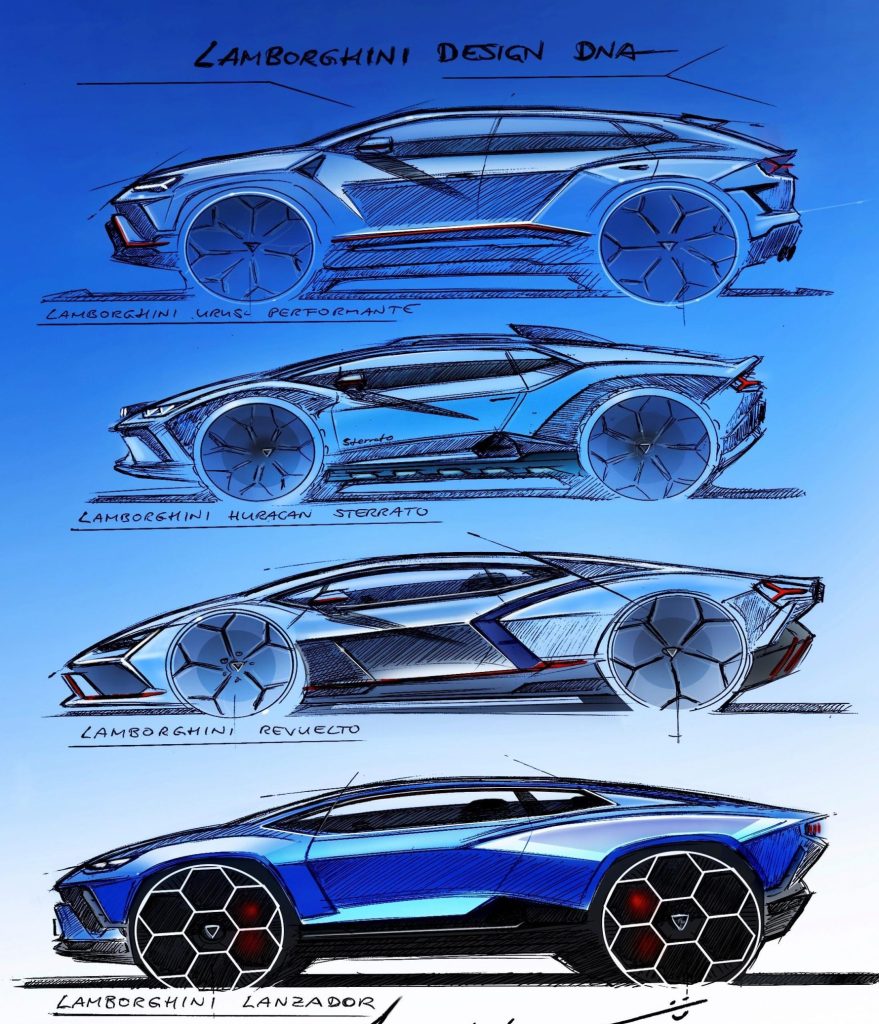
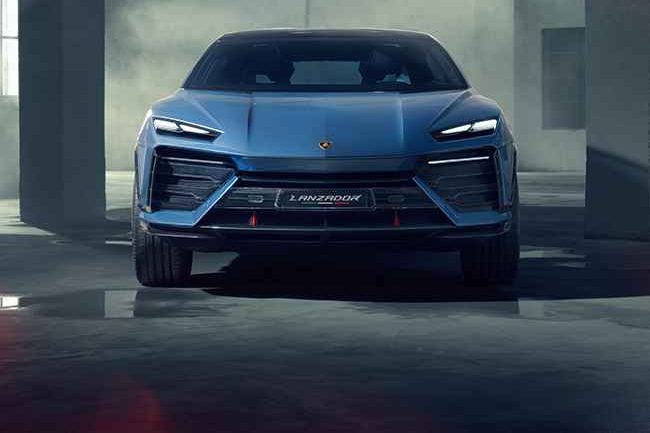
The Lanzador’s design is a masterclass in balancing Lamborghini’s iconic DNA with avant-garde EV aesthetics. At first glance, the vehicle retains the aggressive, angular lines that have defined the brand since the Countach. However, closer inspection reveals a sleeker, more aerodynamic profile optimized for electric efficiency.
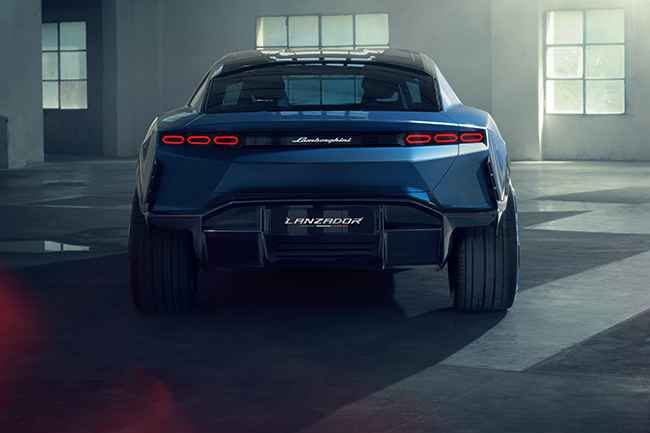
The front end features a reinterpretation of Lamborghini’s signature Y-shaped LED headlights, flanked by a low-slung grille that channels airflow to cool the battery and motors. The roofline slopes dramatically toward the rear, culminating in a truncated tail with a full-width light bar—a nod to modern EV design trends.
What truly sets the Lanzador apart is its “2+2” grand tourer layout, a departure from Lamborghini’s traditional two-seat supercars. This configuration hints at a dual identity: a high-performance machine that prioritizes practicality for daily driving.
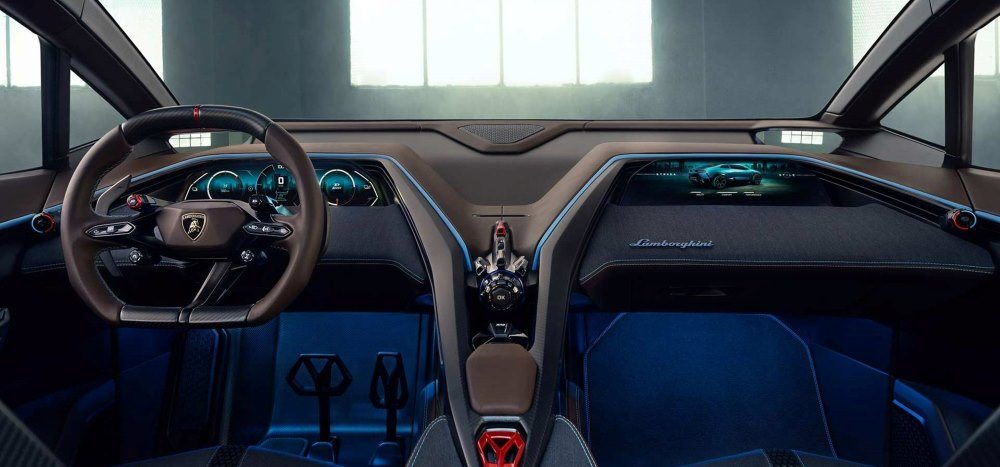
The scissor doors, a Lamborghini hallmark, remain intact, but they now open upward and outward to reveal a cabin that blends luxury with futurism. Inside, sustainable materials dominate, including regenerated carbon fiber, eco-friendly leather alternatives, and 3D-printed recycled plastics. The cockpit is driver-centric, with a hexagonal steering wheel, holographic displays, and adaptive seating that adjusts to driving modes.
Performance: Electrifying Power Meets Precision
While Lamborghini has dabbled in hybridization with models like the Sian and Revuelto, the Lanzador is the brand’s first fully electric concept. Its powertrain features dual electric motors—one on each axle—delivering all-wheel drive and torque vectoring capabilities. Lamborghini claims the system will produce over 1 megawatt (1,341 horsepower), a figure that places it firmly in hypercar territory.
Acceleration is projected to eclipse 0–60 mph in under 2 seconds, rivaling the fastest EVs on the market, such as the Tesla Roadster and Rimac Nevera.
The Lanzador’s battery pack, though not yet detailed in capacity, is expected to leverage next-generation solid-state technology for higher energy density and faster charging. Range estimates hover around 400 miles per charge, a critical benchmark for grand tourers aiming to balance performance with usability.
Lamborghini engineers have also emphasized dynamic handling, integrating active aerodynamics and adaptive suspension to counteract the weight of the battery pack—a common critique of EVs. The car’s “Driving Dynamics Control” system purportedly allows drivers to toggle between modes that adjust power delivery, regenerative braking, and chassis stiffness, ensuring a tailored driving experience.
Technology: Innovating Beyond the Powertrain
The Lanzador’s innovations extend beyond its electric motors. Lamborghini has reimagined the role of software in enhancing both performance and comfort. The vehicle employs artificial intelligence to optimize energy consumption based on driving style, route topography, and weather conditions. For instance, the AI might pre-condition the battery ahead of a steep incline or adjust regenerative braking intensity during downhill descents.
The cabin is equally tech-forward. A augmented reality heads-up display projects navigation, speed, and performance metrics onto the windshield, reducing driver distraction. The infotainment system, developed in partnership with Amazon’s Alexa, supports voice commands and over-the-air updates.
Lamborghini has also hinted at Level 3 autonomous driving capabilities, allowing the car to handle highway driving with minimal driver input—a controversial but increasingly common feature in luxury EVs.
Sustainability: Redefining Lamborghini’s Ethos
For a brand historically associated with excess, the Lanzador’s focus on sustainability is striking. Lamborghini has pledged to make its entire lineup hybrid or electric by 2024 and achieve full carbon neutrality by 2030. The Lanzador embodies this vision.
Its construction relies on recycled and recyclable materials, including aluminum alloys from discarded manufacturing scraps and tires made from bio-based compounds. Even the paint incorporates nano-particles to reduce environmental impact.
However, critics argue that sustainability and hypercars are inherently at odds. Electric vehicles, particularly high-performance ones, require vast amounts of rare-earth metals for batteries, raising ethical and ecological concerns.
Lamborghini has countered by emphasizing its commitment to ethical sourcing and closed-loop recycling programs. The company also plans to offset emissions from its factories through reforestation initiatives—a gesture that, while commendable, underscores the challenges of reconciling luxury performance with environmental responsibility.
Market Context and Competitive Landscape
The Lanzador enters a burgeoning market for electric grand tourers. Competitors include the Porsche Taycan, Audi e-tron GT, and the forthcoming Ferrari electric car, rumored to debut in 2025. Yet Lamborghini’s offering distinguishes itself through sheer audacity.
While Porsche and Audi prioritize refinement and practicality, the Lanzador doubles down on the theatricality and raw power that define the Lamborghini brand.
Pricing remains speculative, but analysts predict a starting figure north of $500,000, positioning the Lanzador as a halo product rather than a volume seller. This exclusivity aligns with Lamborghini’s strategy of maintaining desirability through scarcity. However, the EV market’s rapid evolution poses risks. By the time the Lanzador enters production in 2028, rivals may have already pushed the boundaries of performance and range.
Critical Analysis: Promise and Pitfalls
The Lanzador is undeniably a milestone for Lamborghini, but its success hinges on execution. On one hand, the concept demonstrates that electric powertrains can coexist with Lamborghini’s core values of speed, agility, and emotional engagement. The retention of design staples like scissor doors and aggressive styling ensures continuity with the brand’s legacy.
On the other hand, challenges loom. The transition to electric power risks alienating purists who equate Lamborghini with the sensory thrill of combustion engines—the snarl of the exhaust, the mechanical feedback of a manual gearbox.
While the Lanzador’s performance specs are impressive, EVs often struggle to replicate the visceral connection drivers feel with traditional supercars. Additionally, the grand tourer segment is notoriously niche, raising questions about whether the Lanzador can achieve commercial viability.
Conclusion: A Visionary Blueprint
The Lamborghini Lanzador is more than a concept car; it is a declaration of intent. By embracing electrification without diluting its identity, Lamborghini has crafted a vehicle that honors its past while accelerating toward the future.
The Lanzador’s bold design, cutting-edge technology, and commitment to sustainability suggest a roadmap for how legacy automakers can navigate the EV revolution.
Yet, as with all prototypes, the true test lies in production. Can Lamborghini deliver on its promises of blistering performance, ethical manufacturing, and driver engagement? If so, the Lanzador could redefine not only the brand but the entire landscape of high-performance electric vehicles. For now, it stands as a tantalizing glimpse of a future where Lamborghinis are as green as they are mean—a future where sustainability and speed coexist in perfect harmony.

 Zakirin