 Zakirin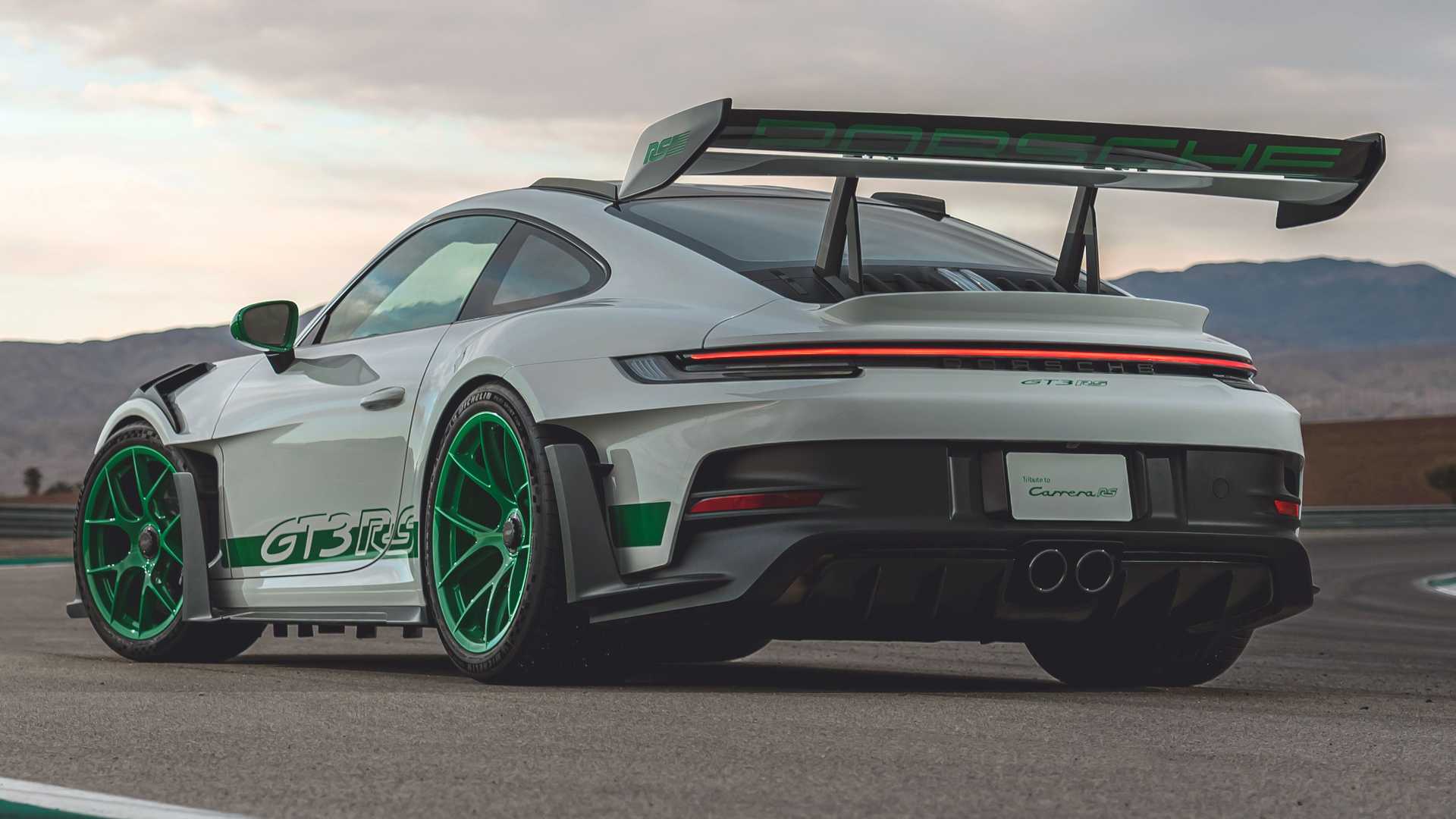
For decades, the manual transmission served as the default standard for passenger vehicles globally, offering superior fuel efficiency, lower production costs, and mechanical simplicity over early automatic alternatives. Over the past twenty years, however, rapid advancements in transmission engineering—including continuously variable transmissions (CVTs), dual-clutch gearboxes, and multi-ratio torque converters—have largely eliminated those operational advantages. In Malaysia and across international automotive markets, customer preference has decisively shifted towards two-pedal driving, leaving the conventional three-pedal setup on the verge of obsolescence. This ongoing shift raises questions within the automotive community regarding whether the retirement of the manual gearbox represents an unfortunate reduction in mechanical driver involvement or an inevitable, practical evolution in modern vehicle engineering.
Key Points
- Global automotive manufacturers have progressively phased out manual transmissions in passenger vehicles in response to falling consumer demand and shifting manufacturing economics.
- In the Malaysian passenger car market, manual options have contracted to entry-level commercial variants and specialised performance vehicles, while automatic licences now dominate local driving schools.
- Modern electronic integration, including advanced driver assistance systems and the transition to electric powertrains, has made automated drivelines the technical standard for future vehicle development.
Shifting Mass-Market Demand
The primary catalyst behind the shrinking market share of manual transmissions is a clear change in consumer purchasing behaviour. As urban traffic congestion has expanded in major metropolitan areas such as Greater Kuala Lumpur, drivers have increasingly prioritised convenience over mechanical control. The physical effort required to operate a clutch pedal during heavy stop-and-go commuting has rendered manual models increasingly unpopular among daily commuters. Consequently, automotive sales data across ASEAN markets shows that manual variants regularly account for low single-digit percentages of total passenger vehicle sales.
Automakers operating in Malaysia have steadily rationalised their product catalogues to reflect these changing consumer preferences. To maintain manufacturing efficiency, high-volume models have progressively eliminated manual options across major model revisions:
- Perodua dropped the five-speed manual transmission entirely from the third-generation Myvi and subsequent generation of the Axia, retaining a manual gearbox solely for the fleet-focused Axia E priced at RM22,000.
- Proton discontinued manual variants of the Persona and Iriz hatchbacks, maintaining a five-speed manual solely on the baseline Saga Standard at approximately RM34,800.
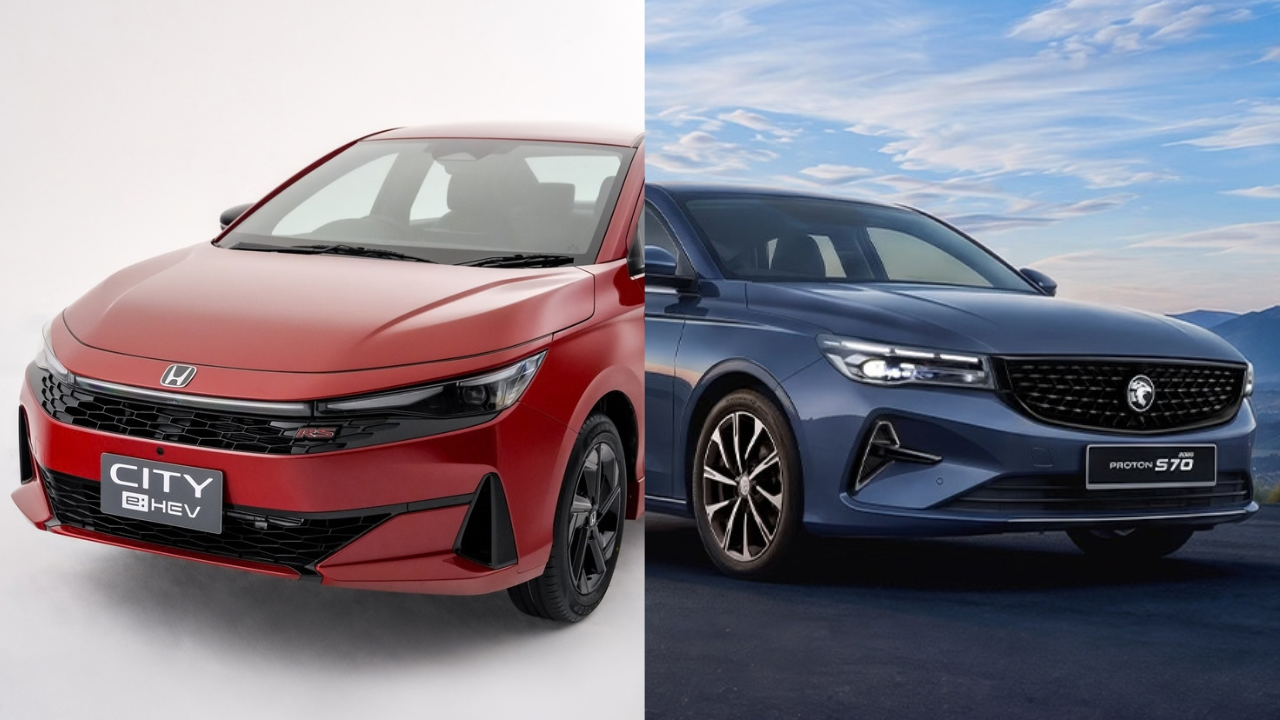
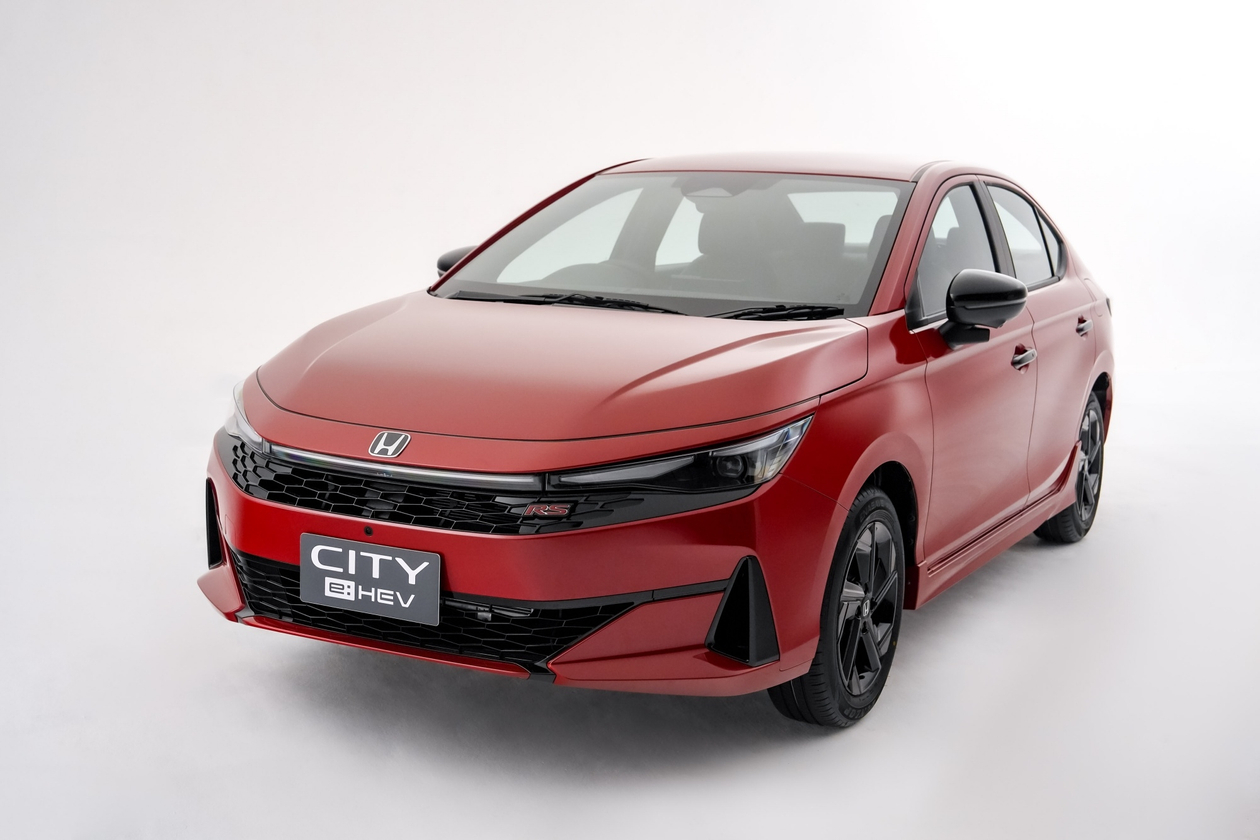
- Japanese non-national manufacturers, including Toyota and Honda, phased out manual specifications for mainstream B-segment vehicles such as the Vios and City over consecutive lifecycle updates.
This consolidation allows manufacturers to streamline assembly lines, reduce supplier overheads, and focus testing procedures on a single drivetrain type, directly lowering production and inventory management expenses.
The Malaysian Regulatory and Licensing Context
The reduction of manual vehicles in the showroom has coincided with structural shifts in driver training across Malaysia. When the Road Transport Department (JPJ) introduced the Class DA driving licence in 2014—permitting candidates to be tested and licensed exclusively in automatic transmission vehicles—the long-standing prerequisite of mastering a manual clutch was removed for regular motorists.
Driving institutes across Selangor, Johor, and Penang have consistently reported a steady migration towards the Class DA category among young learner drivers. This transition has reshaped showroom demand, as newly licensed drivers entering the market possess neither the accreditation nor the practical training required to drive manual cars. The following table provides an overview of the shifting transmission availability across core vehicle segments in the Malaysian market:
| Vehicle Segment | Representative Models | Past Transmission Standard | Current Market Offering |
| A-Segment Compact | Perodua Axia, Proton Saga | 5-speed Manual / 4-speed Auto | D-CVT / 4-speed Auto (Manual limited to base specs) |
| B-Segment Hatchback | Perodua Myvi, Proton Iriz | 5-speed Manual / 4-speed Auto | D-CVT / CVT (Manual completely discontinued) |
| B-Segment Sedan | Toyota Vios, Honda City | 5-speed Manual / 4-speed Auto | D-CVT / e-CVT (Automatic only across all grades) |
| Performance Hatchback | Honda Civic Type R, Toyota GR Yaris | 6-speed Manual | 6-speed Manual / 8-speed Auto options |
Because driving schools must maintain operational fleets that match customer demand, commercial training institutes have downsized their manual vehicle allocations, further shrinking the baseline user demographic for three-pedal cars.
Powertrain Integration and Safety Systems
Beyond driver convenience, modern vehicle electronics and active safety systems have created significant technical barriers to the inclusion of manual gearboxes. The widespread adoption of Advanced Driver Assistance Systems (ADAS)—such as autonomous emergency braking (AEB), lane keep assist, and adaptive cruise control with stop-and-go functionality—demands direct electronic control over the vehicle’s propulsion and deceleration. Integrating full-stop adaptive cruise control with a manual gearbox introduces mechanical complexity, as the vehicle cannot prevent an engine stall without complex automatic clutch actuators.
Additionally, modern automatic transmissions have surpassed manual gearboxes in fuel economy and emission compliance. While five-speed and six-speed manuals once yielded superior fuel consumption, current continuously variable transmissions and multi-ratio automatic gearboxes maintain the internal combustion engine at its optimal thermal efficiency range across varying driving speeds. Stricter emissions standards internationally have forced manufacturers to calibrate powertrains strictly with automated gearboxes to meet mandated carbon targets.
Electrification and Drivetrain Modernisation
The transition towards electrified mobility has further accelerated the redundancy of conventional mechanical gearboxes. Battery electric vehicles (BEVs) and most strong hybrid systems operate without multi-gear transmissions entirely, utilising single-speed reduction gears due to the broad torque band of electric motors:
- Electric motors produce maximum torque instantly from zero revolutions per minute, removing the requirement for a disengageable clutch or multiple forward gear ratios.
- Hybrid powertrains rely on dedicated hybrid transmissions (DHT) or planetary gearsets to split power between internal combustion engines and electric generators.
- Regenerative braking systems require automated drivetrain engagement to harvest kinetic energy during deceleration, an operation compromised by manual clutch disengagement.
While several automotive manufacturers have patented simulated manual systems—which use software to mimic gear shifts and engine braking sounds—these solutions remain novelty features rather than functional mechanical drivetrains.
Enthusiast Demand and Commercial Viability
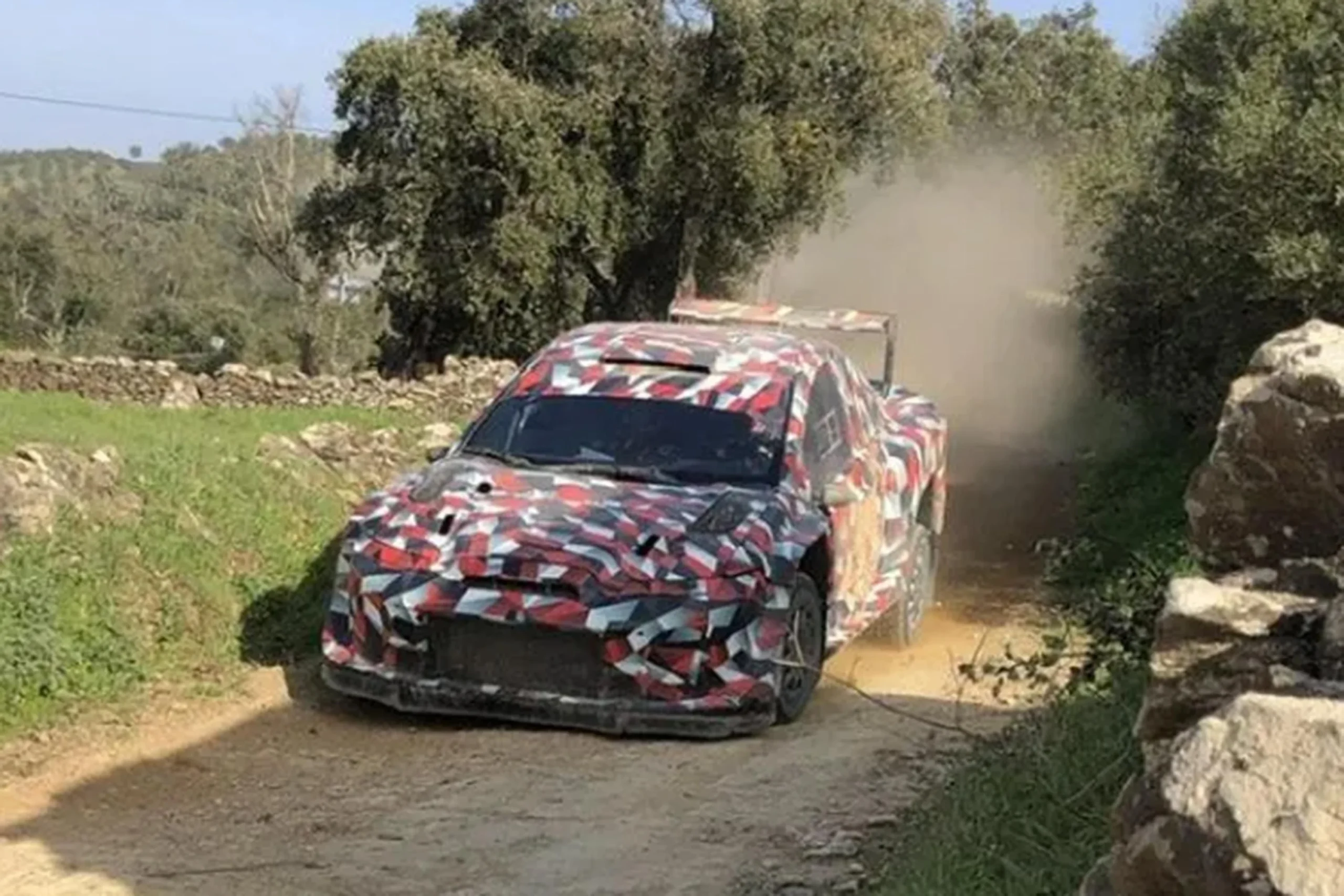
Despite the widespread decline in mainstream segments, the manual transmission retains a specialised footprint within dedicated enthusiast circles and heavy commercial sectors. Performance vehicles such as the Honda Civic Type R, Toyota GR Yaris, and Mazda MX-5 continue to feature six-speed manual gearboxes as a core component of their vehicle positioning. In these low-volume segments, purchasers pay a premium specifically for the mechanical tactile engagement and pedal manipulation that automated gearboxes replace.
In the commercial sector, light commercial lorries, pick-up trucks used in heavy industrial settings, and agricultural utility vehicles still employ manual gearboxes due to their lower initial replacement costs and durability under high payload conditions. However, outside these specialised niches, the economic and regulatory trends across the broader automotive sector indicate that the manual transmission has concluded its role as the foundation of mass-market personal transportation.