 Zakirin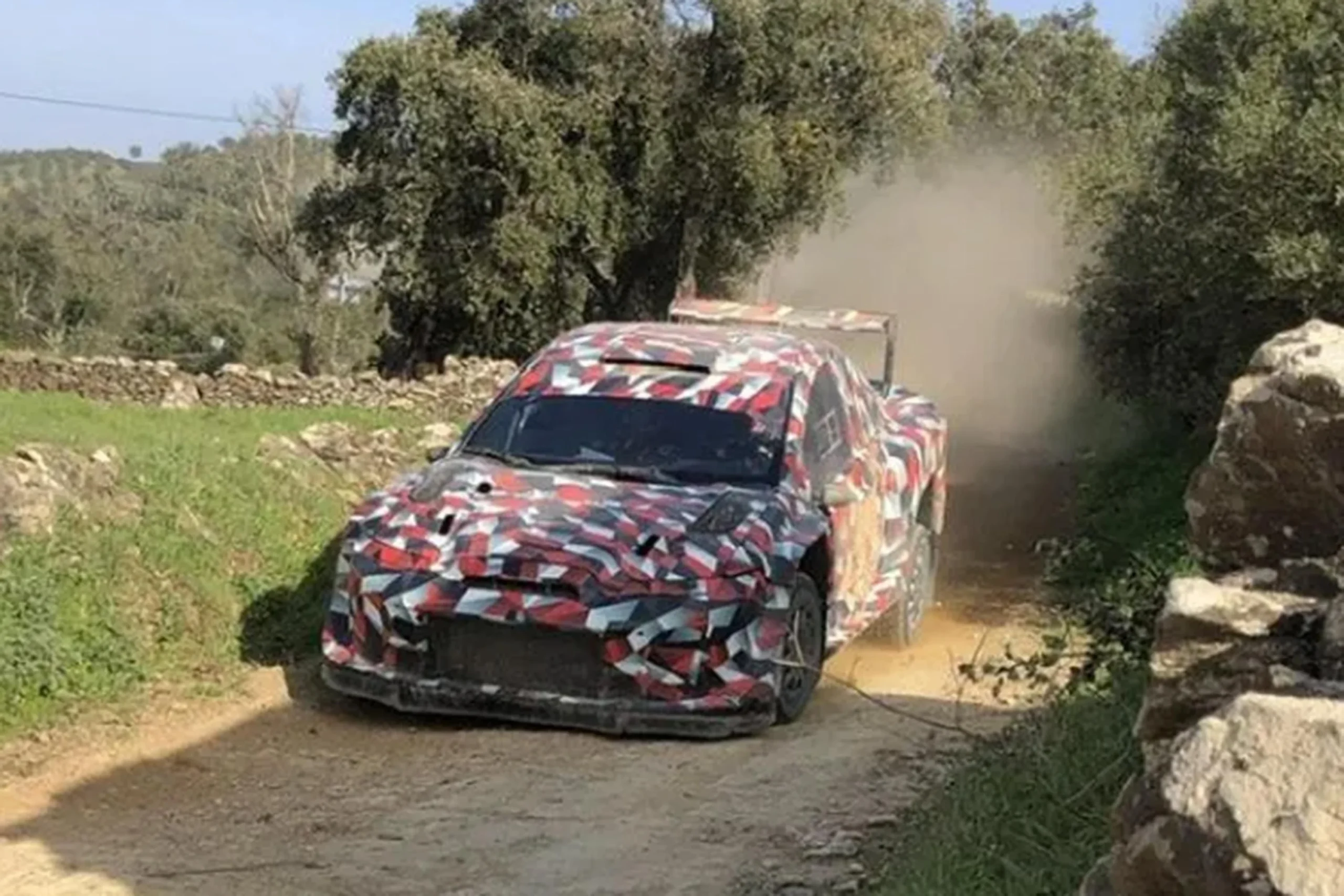
Japanese automaker Toyota is reportedly developing a new iteration of the Celica sports coupe, targeting a global release for the 2028 model year. Following years of industry speculation and the recent filing of the “Celica Sport” trademark, evidence suggests that the brand intends to revive the dormant nameplate as part of its expanding Gazoo Racing (GR) portfolio. Early reports indicate that the upcoming vehicle will deviate from recent collaborative platforms, such as those used for the Supra and GR86, instead relying on an entirely new in-house turbocharged engine and an all-wheel-drive system intended for future World Rally Championship (WRC) homologation. This development signals a strategic move by Toyota to reinforce its internal combustion engineering division amidst broader industry shifts toward full electrification, providing a mechanical foundation that satisfies strict new motorsport regulations while offering a high-output production model for the consumer market.
Key Points
- The 2028 Toyota Celica is expected to feature a 2.0-litre turbocharged four-cylinder engine generating approximately 400 horsepower.
- Recent testing prototypes suggest the vehicle will utilise a front-mounted transverse engine layout paired with an advanced all-wheel-drive system.
- Direct currency conversions place base pricing near RM193,500, though local Malaysian automotive duties could significantly elevate the final retail cost.
Powertrain Specifications
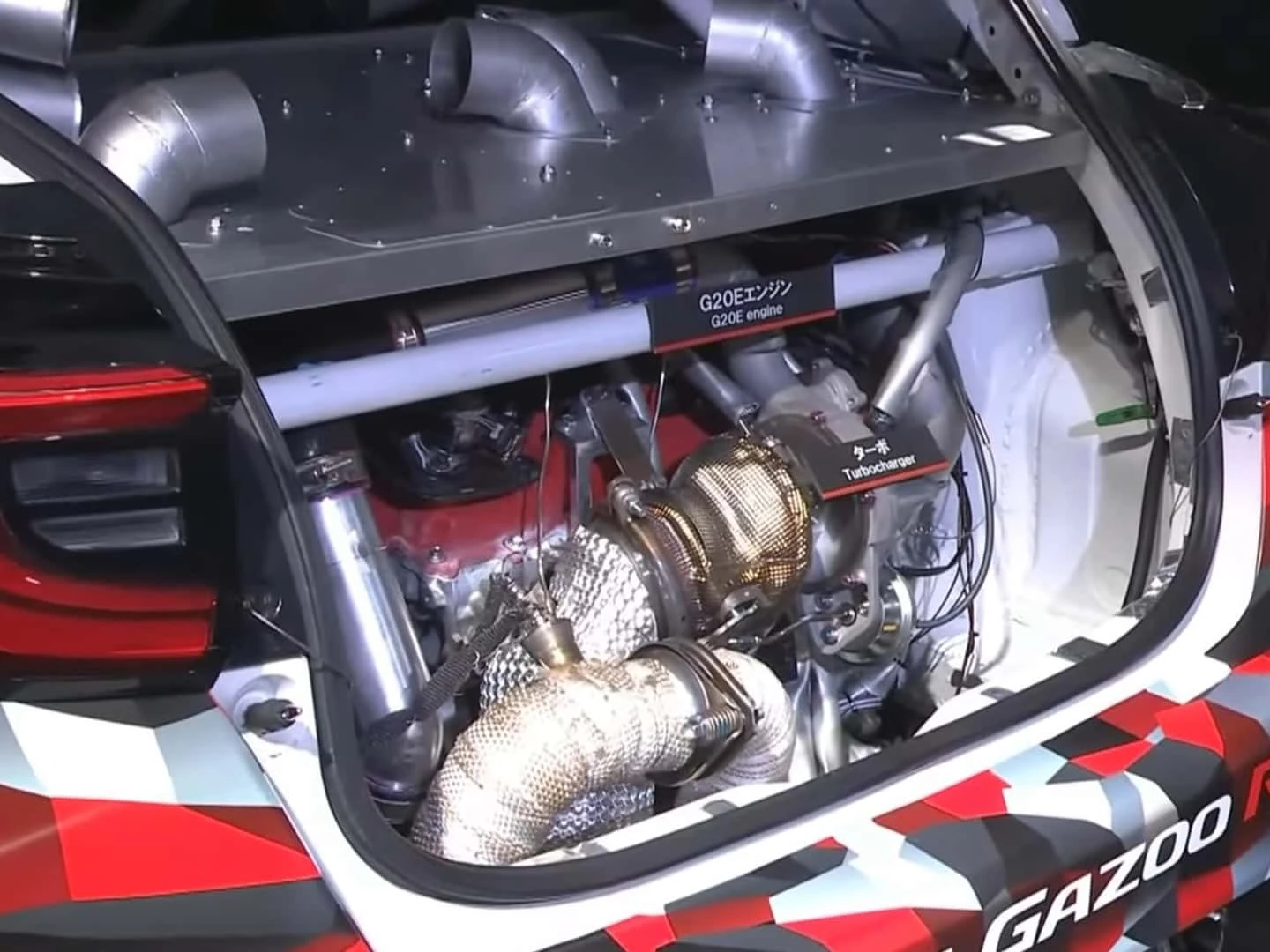
Central to the 2028 Celica’s development is Toyota’s newly developed G20E engine family. This 2.0-litre turbocharged inline-four power plant represents a significant engineering investment by the automaker, explicitly championed by former leadership to prolong the viability of combustion engines in performance applications. According to preliminary reports, this unit is engineered to produce substantially higher outputs than the 1.6-litre three-cylinder currently found in the GR Yaris and GR Corolla. Observers indicate that the engineering team has established a target output of approximately 400 horsepower for the road-legal variant, with further internal modifications potentially yielding upwards of 600 horsepower for dedicated motorsport applications.
Industry sources currently project the following mechanical specifications for the standard production model:
- Engine Code: G20E 2.0-litre turbocharged four-cylinder
- Estimated Output: 400 horsepower and approximately 550 Nm of torque
- Transmission Options: Six-speed manual or eight-speed direct-shift automatic
- Electrification: Potential 48-volt mild-hybrid integration for emissions compliance
While Toyota continues to develop synthetic fuel applications for its racing divisions, the consumer version of the Celica is expected to rely on traditional petrol combustion, at least in its initial production run. This approach caters directly to driving enthusiasts seeking conventional mechanical engagement. The integration of mild-hybrid technology is viewed primarily as a mechanism to pass stringent global emissions standards rather than a primary source of propulsion, ensuring the vehicle retains a traditional power delivery curve.
Chassis and Drivetrain Architecture
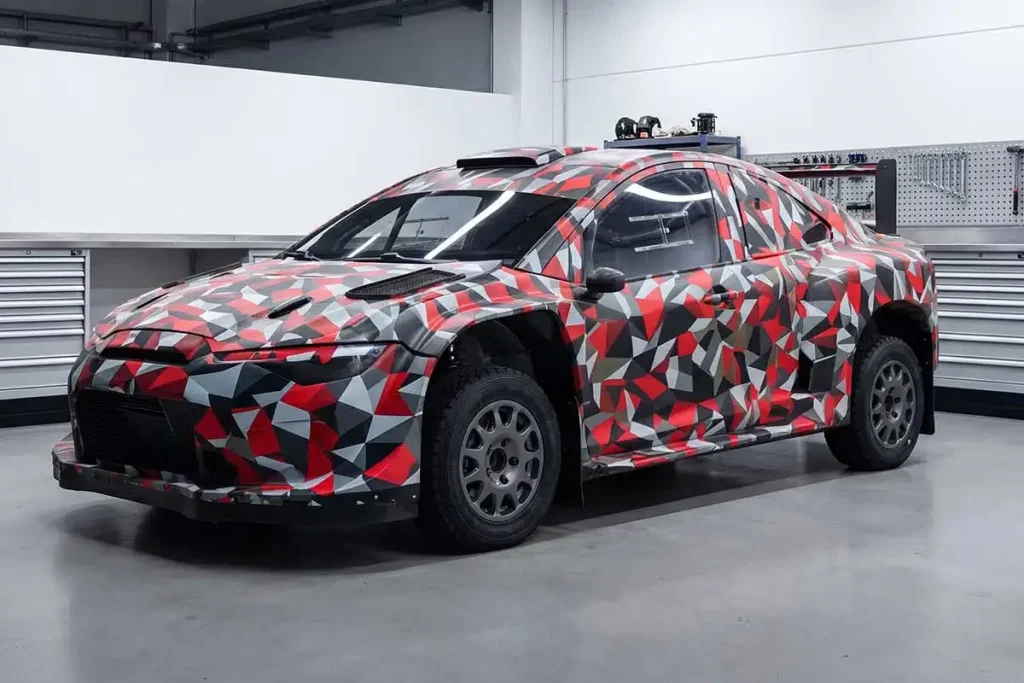
The structural layout of the new Celica has been a subject of ongoing debate, particularly following the emergence of disguised WRC test mules earlier this year in Europe. Unlike the mid-engine architecture utilised by historical models like the MR2, recent prototype footage indicates that the 2028 Celica will rely on a front-mounted, transversely oriented engine configuration. This design choice aligns closely with the historical lineage of the Celica GT-Four models, particularly the ST205 generation produced throughout the 1990s, which built its reputation on rally stages.
To manage the projected 400 horsepower, the vehicle will reportedly incorporate a variation of Toyota’s GR-Four all-wheel-drive system. This active torque-vectoring setup would theoretically provide better traction and chassis stability under heavy acceleration compared to a purely rear-wheel-drive platform. In a Malaysian driving context, where torrential downpours frequently compromise road conditions, the inclusion of a sophisticated all-wheel-drive system offers a distinct safety and usability advantage over rear-driven stablemates like the GR Supra or GR86. The integration of this technology suggests that Toyota aims to position the Celica as an all-weather performance vehicle with a high degree of mechanical grip.
Estimated Pricing and Local Market Considerations
Financial analysts currently estimate that the 2028 Celica will enter the North American and Japanese markets with a base price of roughly USD45,000. When converting this figure directly for the Malaysian market, the base value sits near RM193,500. However, the realities of purchasing imported performance vehicles in Malaysia dictate a much higher final consumer cost once various tariffs, excise duties, and sales taxes are applied by the Royal Malaysian Customs Department.
Given the existing pricing structure of Toyota’s performance lineup managed by UMW Toyota Motor, consumers can expect the final retail figure to heavily exceed the direct conversion rate. For context, the smaller 1.6-litre GR Corolla currently commands a price tag of RM355,000 in the local market. Because the upcoming Celica features a larger 2.0-litre displacement engine, it will fall into a higher excise duty bracket under local taxation laws. Therefore, local automotive analysts suggest that fully imported units could be priced anywhere between RM400,000 and RM450,000 upon arrival, positioning the Celica firmly in the premium sports car bracket alongside entry-level European performance models.
Segment Positioning and Competitors
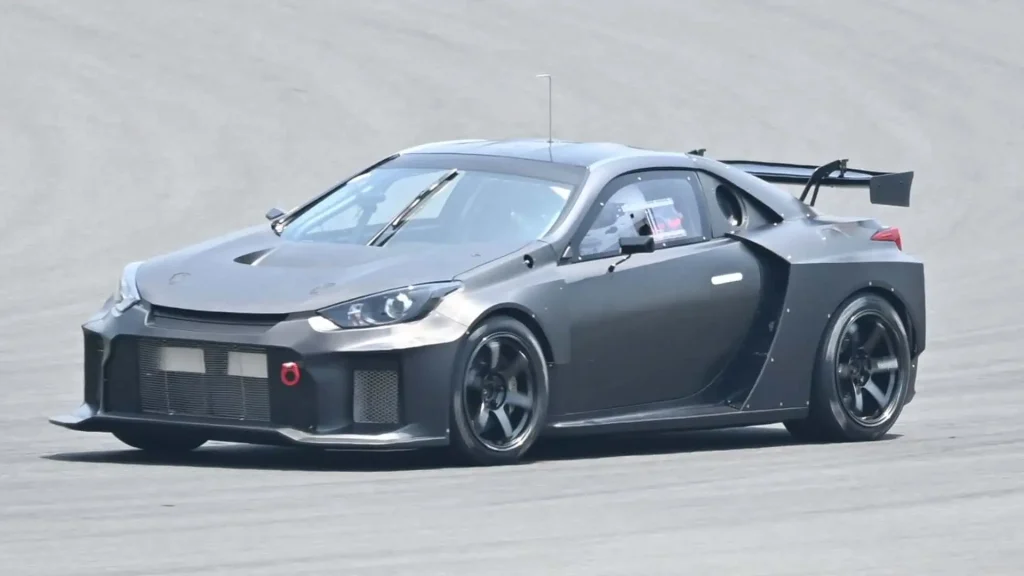
When the Toyota Celica arrives, it will enter a revitalised segment of Japanese sports coupes, occupying a specific niche between the entry-level GR86 and the flagship GR Supra. A primary external competitor is expected to be the upcoming Honda Prelude, which Honda has confirmed will return to the global market in a similar timeframe. While both manufacturers are reviving historical nameplates from the 1980s and 1990s, their engineering philosophies for these models diverge significantly in terms of power delivery and target demographics.
The following table outlines the expected core differences between the upcoming Celica and its most direct anticipated rival, based on current industry intelligence:
| Specification | 2028 Toyota Celica | 2027 Honda Prelude |
| Engine Configuration | 2.0L Turbocharged Inline-4 | 2.0L Naturally Aspirated Hybrid |
| Estimated Power Output | ~400 horsepower | ~200 horsepower |
| Drivetrain Layout | GR-Four All-Wheel Drive | Front-Wheel Drive |
| Transmission | Manual / 8-Speed Auto | e-CVT |
| Primary Market Focus | WRC Homologation / Track Capability | Grand Touring / Urban Efficiency |
This comparison highlights Toyota’s strategy to capture the upper echelon of the four-cylinder performance market. While the Prelude appears tailored for fuel efficiency and comfortable grand touring, the Celica’s robust specifications suggest a vehicle focused on raw power and motorsport homologation. Within Malaysia, this mechanical setup is designed to meet the requirements of the established Gazoo Racing customer base.