 Zakirin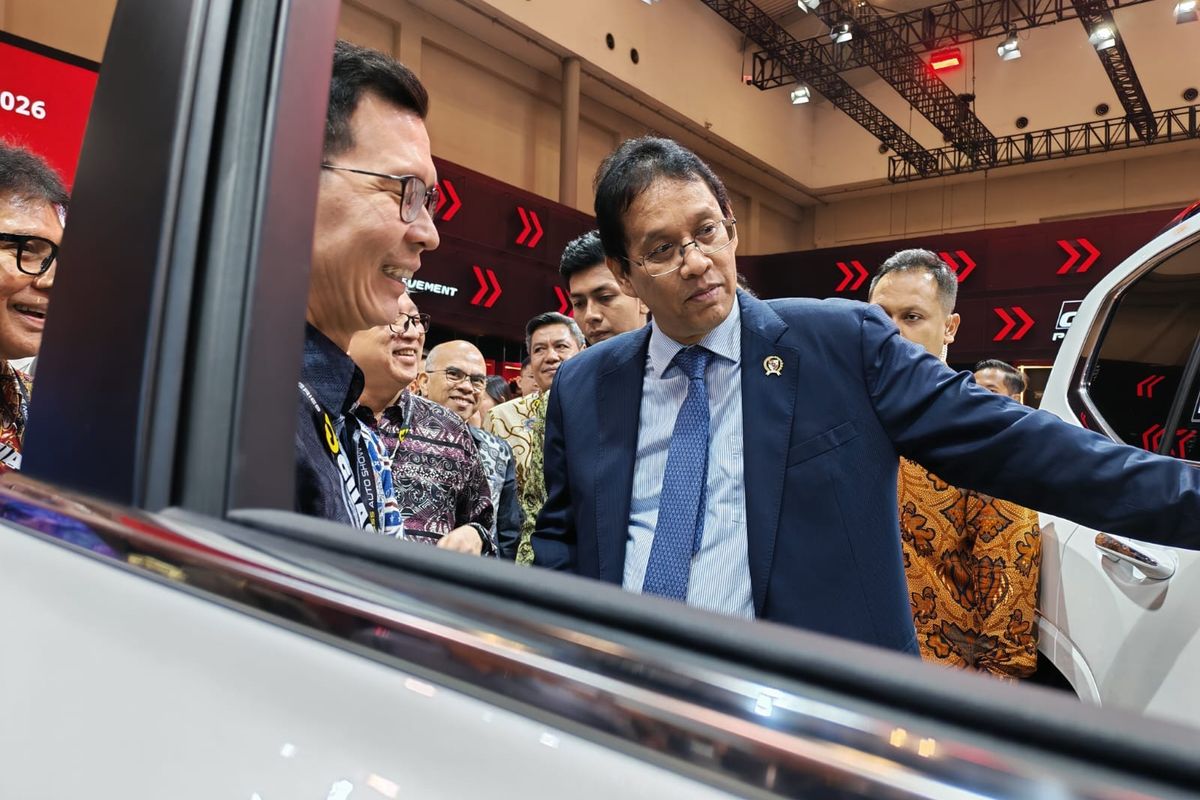
The Indonesian government and the Association of Indonesia Automotive Industries (Gaikindo) have officially established a national vehicle sales target exceeding 850,000 units for 2026, seeking to reassert the country’s position as the largest automotive market in the ASEAN region. This objective follows two consecutive years of volume contraction in Indonesia, which enabled Malaysia—supported by sustained consumer demand and steady domestic production—to narrow the regional volume gap and periodically lead in total registrations. With the Malaysian Automotive Association (MAA) having revised its 2026 Total Industry Volume (TIV) projection upward to approximately 800,000 units following higher-than-expected first-half registrations, the respective targets outline a closely contested sales landscape between Southeast Asia’s two primary automotive markets through the remainder of the year.
Key Points
- The Association of Indonesia Automotive Industries has projected 2026 vehicle sales to surpass 850,000 units following two consecutive years of declining domestic deliveries.
- The Malaysian Automotive Association revised its national Total Industry Volume forecast to 800,000 units in July 2026 due to resilient demand for entry-level passenger cars.
- The regional competition between both automotive sectors is influenced by expanding brand portfolios in Indonesia and continuous order fulfilment by national manufacturers in Malaysia.
Regional Sales Projections and Bilateral Volume Targets
The official target set by Indonesian authorities reflects an effort to restore domestic automotive momentum after wholesale deliveries fell to 803,687 units in 2025. In the years prior to the recent slowdown, Indonesia consistently recorded annual sales exceeding one million units, serving as the dominant volume contributor in Southeast Asia. However, elevated financing rates, administrative adjustments, and reduced purchasing power among middle-income households led to an extended contraction in consumer uptake.
In contrast, the Malaysian automotive sector has experienced historically high delivery rates over the same period. The MAA initially adopted a conservative outlook for 2026 before revising its annual TIV estimate to 800,000 units in July, citing stronger-than-projected deliveries across both passenger and commercial categories. The 50,000-unit variance between the two national forecasts represents the narrowest baseline margin between Indonesia and Malaysia recorded in modern industry tracking.
The projected performance metrics for both Southeast Asian nations highlight contrasting operating targets entering the second half of 2026:
- Indonesia’s automotive sector aims to achieve wholesale deliveries exceeding 850,000 units, representing an increase over the 803,687 units recorded in 2025.
- Malaysia’s automotive industry is tracking towards an adjusted volume of 800,000 units, building upon consecutive record years that previously surpassed 799,000 units.
- The resulting margin between the two official projections indicates that small shifts in monthly delivery rates could determine the final regional ranking.
Automotive analysts note that achieving these volumes will depend on external economic conditions, including foreign exchange stability and central bank benchmark lending rates in both jurisdictions.
Comparative Total Industry Volume Trajectories
The shifting balance of automotive volume between Indonesia and Malaysia over the past four years highlights distinct structural differences in their respective domestic retail environments. While Indonesia’s market relies heavily on multi-purpose vehicles (MPVs) and light commercial transport subject to broader macroeconomic fluctuations, Malaysia’s market is underpinned by entry-level passenger cars produced by national manufacturers.
During the 2023 to 2025 period, Malaysia maintained vehicle demand through extended delivery schedules and competitive pricing within the A-segment and B-segment brackets. Conversely, the Indonesian market experienced a drop from 1,005,802 units in 2023 down to 889,680 units in 2024, followed by a further decline in 2025.
The historical sales trajectory between 2023 and 2026 demonstrates the structural narrowing of the volume gap between the two markets:
| Year | Indonesia Sales (Units) | Malaysia TIV (Units) | Volume Variance (Units) |
| 2023 | 1,005,802 | 799,731 | +206,071 (Indonesia) |
| 2024 | 889,680 | 815,000 | +74,680 (Indonesia) |
| 2025 | 803,687 | 820,000 | -16,313 (Malaysia) |
| 2026 (Projected) | >850,000 | 800,000 | ~+50,000 (Indonesia) |
This contraction in Indonesia allowed Malaysia to briefly register higher total domestic vehicle registrations in 2025. For Indonesian manufacturers and policymakers, reaching the 850,000-unit threshold in 2026 is viewed as a necessary baseline to prevent a permanent loss of manufacturing scale to regional competitors.
Market Expansion Drivers within Indonesia
To achieve its targeted volume recovery, the Indonesian automotive sector is counting on a combination of new product introductions, expanded dealer networks, and major commercial exhibitions. The rapid entry of Chinese original equipment manufacturers (OEMs)—including BYD, Chery, Wuling, Great Wall Motor, and MG—has introduced a wider selection of battery electric vehicles and hybrid models to the local market at competitive price points.
Several specific developments are expected to influence Indonesia’s retail and wholesale momentum across the remainder of the calendar year:
- Increased availability of locally assembled electrified vehicles qualifying for domestic value-added tax reductions.
- Commercial booking intake generated during major industry platforms, including the Gaikindo Indonesia International Auto Show (GIIAS) and Gaikindo Jakarta Auto Week.
- Fleet procurement by commercial operators following the resumption of standard production schedules after earlier holiday downtime.
While the introduction of new brands has increased consumer options, commercial banks and multi-finance companies in Indonesia continue to apply rigorous credit assessments. Industry observers suggest that the degree to which these financial institutions loosen credit requirements for passenger vehicle loans will serve as a primary factor in whether total retail demand meets the 850,000-unit projection.
Malaysian Market Dynamics and Economic Factors
In Malaysia, achieving the 800,000-unit TIV target relies heavily on the sustained production and delivery capacity of national marques Perodua and Proton. Together, these two manufacturers command over 60 percent of total market share, driven by demand for affordable models priced below RM50,000, such as the Perodua Axia, Bezza, and Proton Saga. Continued order backlogs accumulated over earlier quarters have provided local assemblers with clear production visibility through the second half of 2026.
Simultaneously, the non-national passenger segment in Malaysia has seen increased competition within the RM80,000 to RM150,000 price range, where established Japanese brands compete directly with expanding Chinese electric and hybrid offerings. The introduction of locally assembled electrified models, supported by duty exemptions under current National Energy Transition Roadmap guidelines, has encouraged broader showroom activity.
However, the Malaysian automotive sector faces several domestic variables that could influence year-end delivery totals:
- The implementation of targeted fuel subsidy rationalisation by the Ministry of Finance, which may alter total household transport expenditure.
- The maintenance of strict hire-purchase financing guidelines by commercial banks operating under Bank Negara Malaysia lending frameworks.
- Potential adjustments in consumer spending patterns following broader changes to indirect taxes and utility tariffs.
The final sales distribution between both nations will depend on how effectively Indonesian distributors translate new model interest into concluded registrations, contrasted against the rate of backlog clearance achieved by Malaysian assembly plants through the fourth quarter.