 Akmal Azhar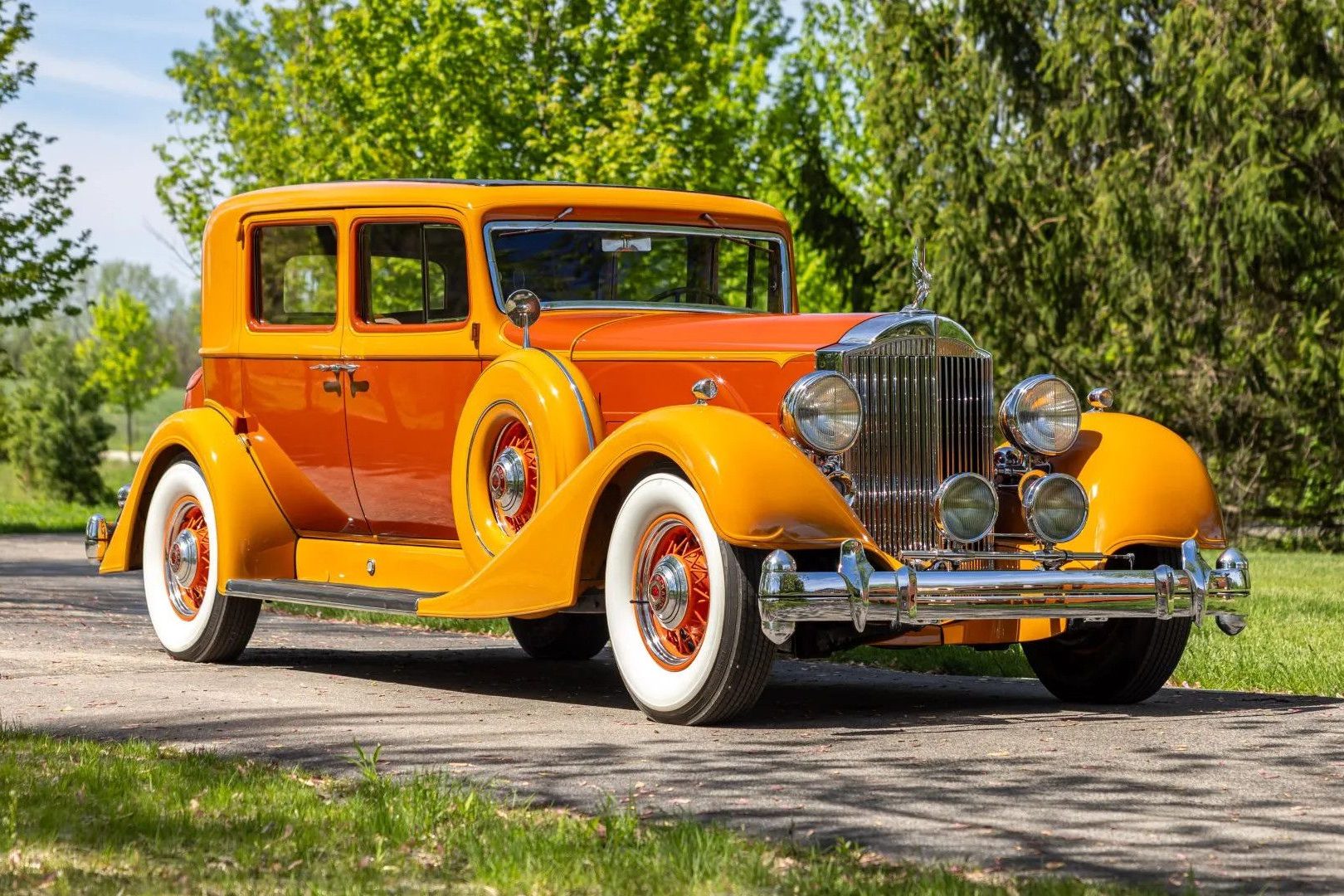
In 1915, the world witnessed a significant turning point in automotive history with the introduction of the first production V12 engine. This groundbreaking moment didn’t take place in Europe, but in the United States, where engineers managed to fit twelve cylinders into one power unit for a production car.
Though its output of just 88 horsepower may seem underwhelming by today’s standards, it was a technological marvel of its time, symbolizing ambition, innovation, and luxury.
Engineering Smoothness Over Raw Power

The true triumph of the early V12 wasn’t raw performance but refinement. The twelve-cylinder layout offered an inherently balanced configuration, producing a level of mechanical smoothness that other engines of the era—particularly inline-fours and even V8s—couldn’t match.
This created a driving experience that felt vastly more sophisticated, where luxury came not only from design but from the way the car behaved on the road.
A Statement of Prestige and Innovation

Beyond engineering benefits, the early V12 also carried a strong message of prestige. In a time when automobiles were just becoming mainstream, a car with a V12 engine stood out as something special.
It elevated the brand image and served as a testament to the manufacturer’s dedication to cutting-edge engineering. The engine was often reserved for luxury vehicles that emphasized elegance and exclusivity.
A Legacy That Shaped Future Supercars

While the original 88-horsepower V12 may seem quaint today, it planted the seed for future high-performance icons. From grand tourers to modern hypercars, the V12 has become synonymous with elite automotive engineering.
What began as an experiment in smoothness and prestige evolved into a cornerstone of speed and power, with many of today’s greatest cars—Ferraris, Lamborghinis, Aston Martins—still clinging to that V12 heritage.


 Yusri Ng