 Akmal Azhar
Powertrain No Longer a Priority for Buyers
Ford’s Vice Chair John Lawler recently shared a bold observation: modern car buyers are no longer driven by what’s under the hood. Speaking at a Bernstein investor conference, Lawler claimed that the days when customers chose cars based on horsepower, torque, and engine size are “well behind us.” The internal combustion engine, once the heart and soul of car culture, is steadily becoming a background component in purchasing decisions.
Design and Tech Take Center Stage
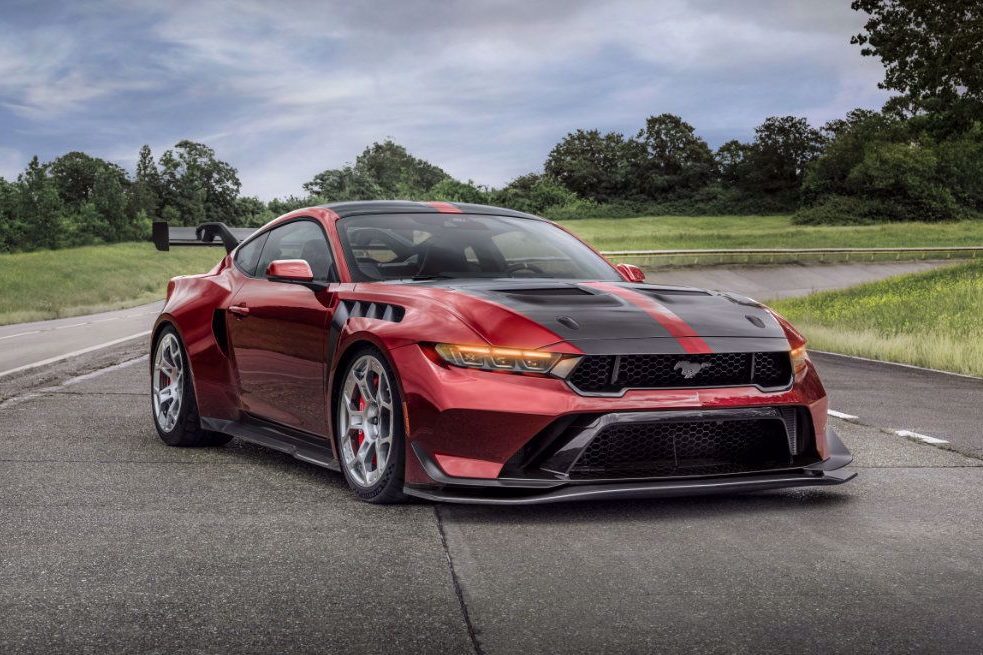
Today’s consumers care more about infotainment systems, connectivity, driver-assist features, and overall design than they do about engine performance. According to Lawler, this shift reflects the broader appeal of vehicles beyond car enthusiasts. For the average buyer, practical considerations and digital experiences now carry more influence than engine specs.
Regulations and Market Trends Shape Engine Decline
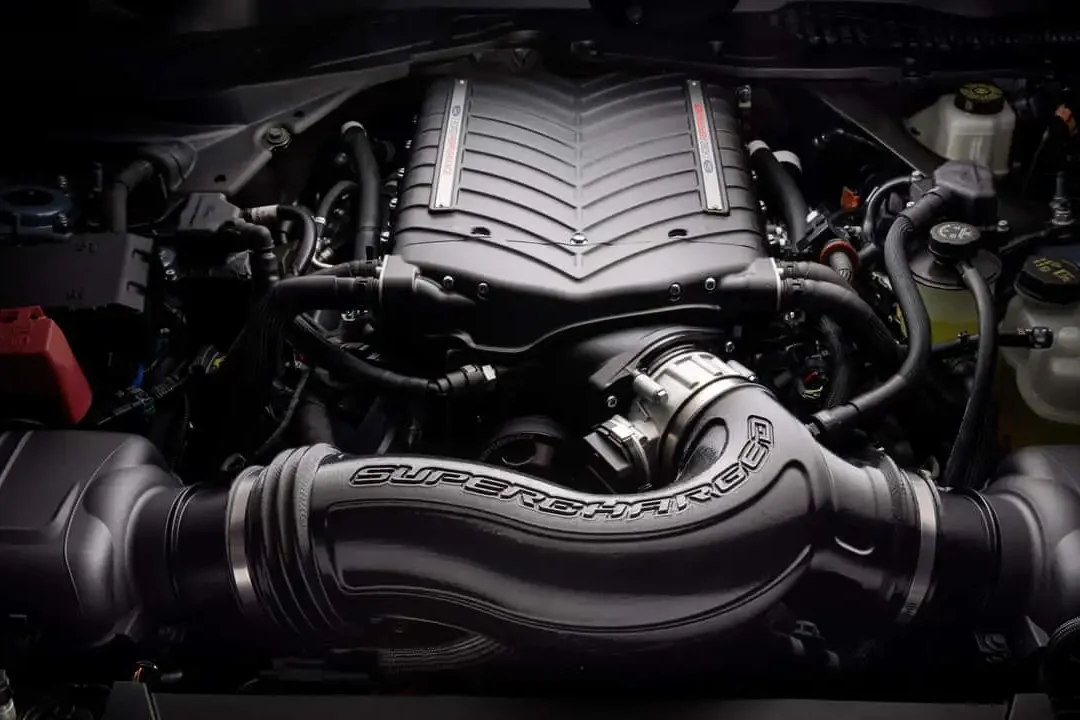
Stricter emissions rules and rising taxes on large-displacement engines—especially in regions like Europe—are accelerating the decline of the traditional engine. In places where ICE vehicles are set to be banned from 2035 onward, manufacturers have already begun reducing engine variety. High-revving inline-sixes and V8s are being phased out in favor of smaller, cleaner powertrains or full electrification.
Performance Cars Aren’t What They Used to Be
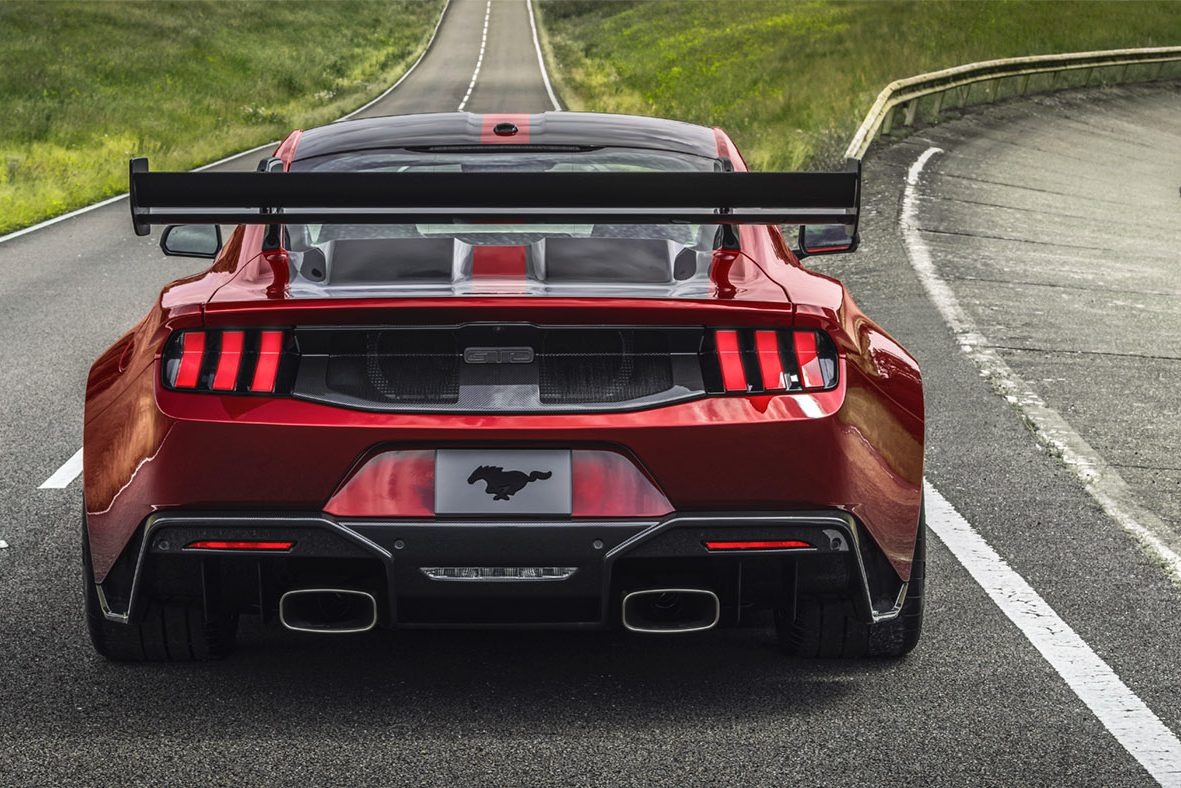
Even in the performance segment, the soul of the engine is being diluted. The latest Mercedes-AMG C63, powered by a turbocharged four-cylinder hybrid, outperforms its V8 predecessor on paper but lacks emotional resonance. Similarly, Ford’s Mustang GT continues to offer V8 thrills, but in many global markets, taxes and regulations make such vehicles less accessible. SUVs dominate the market, shifting consumer focus toward practicality rather than driving pleasure.
Hybrid Hope and Future Technologies
Despite the fading dominance of ICE, Ford and others still see potential in hybrid systems and new fuel types. Honda is reviving the Prelude as a hybrid sports coupe, Toyota is experimenting with hydrogen-combustion engines, and synthetic fuels remain a possibility. Lawler suggests that while the public may not clamor for engine choices, the industry could still deliver performance and engagement through creative technology and hybrid powertrains.

 Zakirin