 Akmal Azhar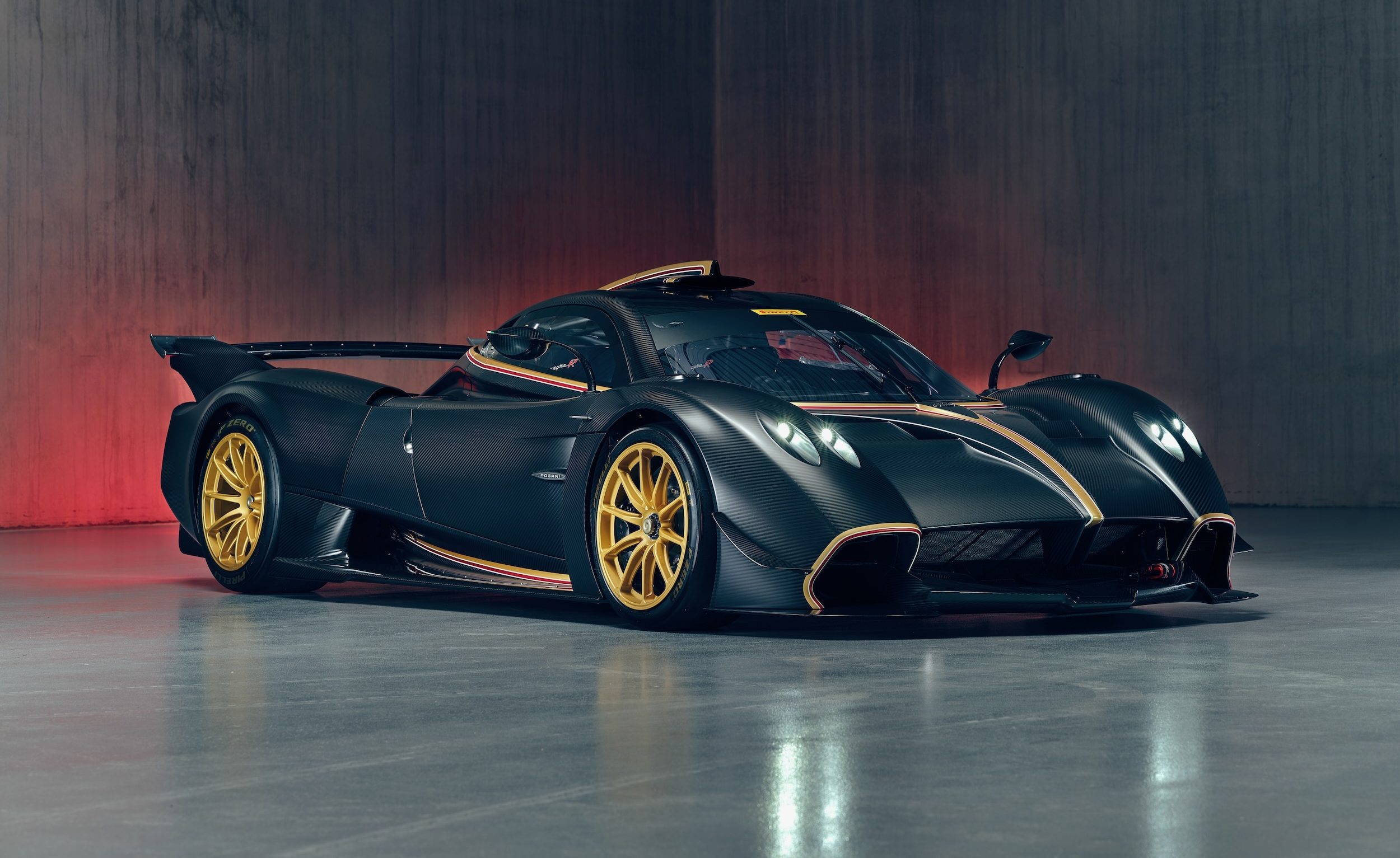
When Horacio Pagani unveiled the Pagani Huayra to the world, it was clear that the automotive industry had entered a new era. Named after the Andean wind god “Huayra-tata,” this hypercar is more than just a machine—it is a moving sculpture, meticulously crafted to evoke emotion, admiration, and raw performance. As the successor to the Zonda, the Huayra carries the Pagani legacy forward, blending futuristic aesthetics with extreme engineering precision.
Design and Aesthetics
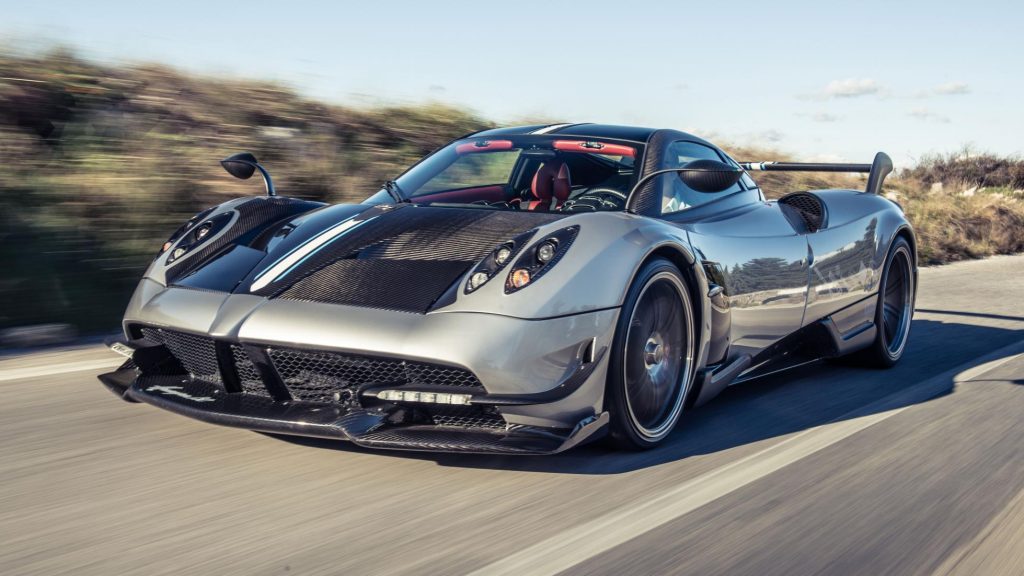
From the very first glance, the Huayra captivates with its exotic design. Its appearance is both artistic and aerodynamic, with each curve and line serving a purpose. The car’s body, built from a proprietary Carbo-Titanium weave, is a blend of carbon fiber and titanium that ensures both rigidity and lightness. The butterfly doors rise elegantly, giving the car a striking, futuristic profile. Pagani’s design philosophy is evident in every detail, from the sculpted wheels to the handcrafted body panels, all of which contribute to a unique and cohesive visual identity.
Engine and Performance
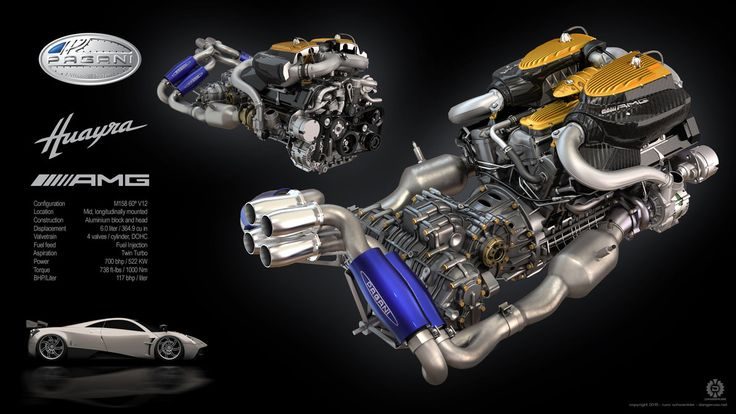
Beneath this stunning exterior lies a beast of an engine. The Huayra is powered by a 6.0-liter twin-turbocharged V12 engine developed exclusively by Mercedes-AMG. The base model delivers 720 horsepower and 1,000 Nm of torque, enabling the car to accelerate from 0 to 100 kilometers per hour in just over three seconds. Its top speed exceeds 370 km/h, placing it among the elite ranks of the world’s fastest cars.
Later versions, such as the Huayra BC and Roadster BC, pushed the power output beyond 800 horsepower, proving that the Huayra’s capabilities were far from static. The engine is mated to a 7-speed sequential automated manual transmission by Xtrac, chosen specifically for its lightweight build. While it lacks the instantaneous shifts of a dual-clutch gearbox, the transmission delivers raw, mechanical feedback that aligns with the car’s analog heart.
Aerodynamics
Aerodynamics is central to the Huayra’s engineering, not only to boost performance but also to ensure safety and stability at high speeds. One of the car’s defining innovations is its active aerodynamics system, which features four flaps—two at the front and two at the rear—that operate independently. These flaps adjust in real time based on speed, steering angle, and braking inputs, optimizing the balance between downforce and drag. The result is a vehicle that remains remarkably composed whether carving through corners or accelerating down long straights. The flat underbody and functional rear diffuser further contribute to aerodynamic efficiency, ensuring that every part of the car works in harmony with the wind.
Interior and Craftsmanship
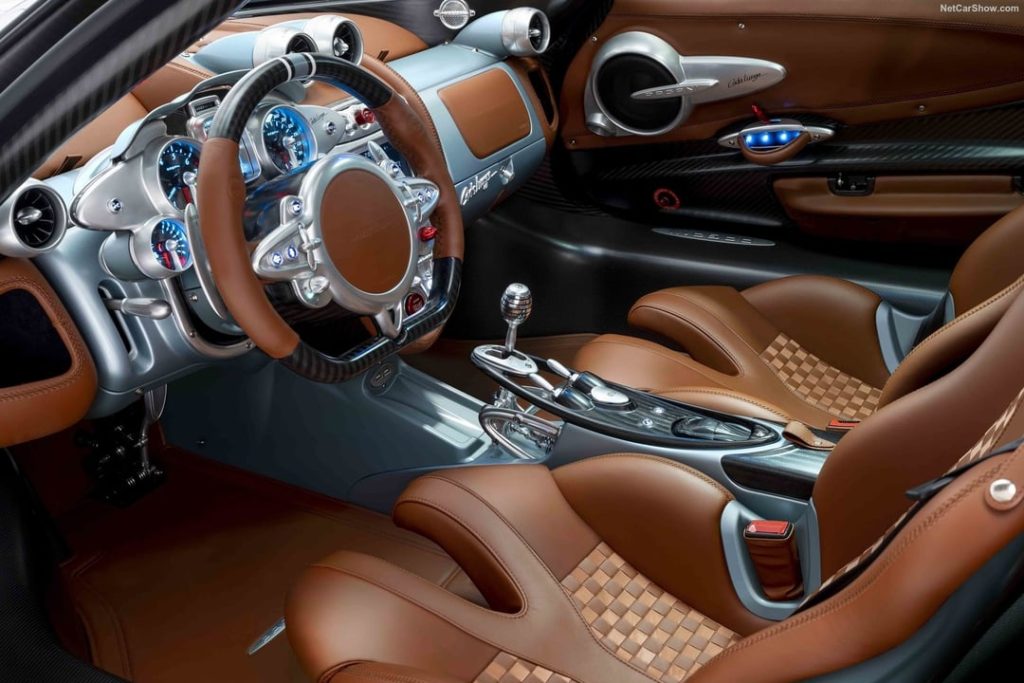
Inside, the Huayra continues to astonish. The cabin is a tribute to the fusion of art and science. It’s unlike anything found in other supercars—here, everything is bespoke. Fine leather, polished aluminum, and exposed carbon fiber dominate the interior space, while components such as the jet turbine-inspired air vents and vintage watch-style switches showcase Pagani’s dedication to craftsmanship. The gear linkage is fully exposed, not only as a design statement but also as a nod to the mechanical beauty of automotive engineering.
The instrument cluster combines analog dials with a digital display, giving drivers the best of both worlds. Each interior is customizable to the buyer’s specifications, ensuring that no two Huayras are ever exactly alike.
Technological Innovations
While the Huayra may have an old-school soul, it is filled with cutting-edge technology. Its electronically controlled systems monitor and adjust various aspects of performance, from the active aerodynamics to the adaptive suspension.
The car also includes carbon-ceramic brakes for exceptional stopping power, alongside a suite of stability and traction controls that can be fine-tuned to match the driver’s skill and the driving environment. Unlike many modern supercars, the Huayra offers a more visceral experience—it doesn’t isolate the driver from the road, but rather enhances the connection between man and machine.
Limited Editions and Legacy
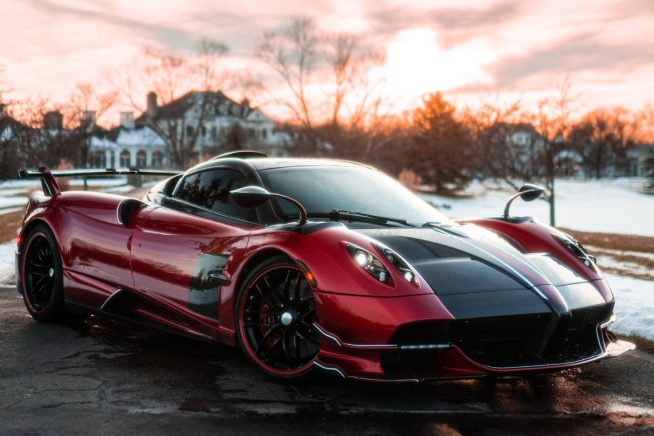
Pagani’s commitment to exclusivity is another defining feature of the Huayra. Fewer than 100 units of the original coupe were produced, and subsequent special editions have remained equally limited. Each new version brought improvements and refinements, such as the lighter, more aggressive Huayra BC, or the open-air Huayra Roadster.
The Huayra BC Roadster pushed the limits of what a topless hypercar could be, combining track-focused dynamics with the joy of open-air driving. Perhaps the most extreme version yet is the Huayra R, a track-only variant featuring a naturally aspirated V12 engine that revs beyond 9,000 RPM and delivers over 850 horsepower. This car is not street-legal, but it represents Pagani’s uncompromising pursuit of performance perfection.
The limited production numbers ensure that each Huayra remains a rare and valuable piece of automotive history. These vehicles are not mass-produced—they are built to order, shaped by the desires of the customer and the vision of Horacio Pagani. Every component is hand-finished, every design decision intentional, and every Huayra tells a unique story.
Conclusion
In conclusion, the Pagani Huayra is not merely a hypercar; it is a celebration of engineering mastery, artistic vision, and human ambition. It bridges the gap between the analog past and the technological future, delivering an experience that is as exhilarating as it is elegant. In a world where automation and digital interfaces dominate, the Huayra stands out by reconnecting drivers to the fundamentals of speed, power, and passion. It will be remembered not just as one of the greatest hypercars ever made, but as a symbol of what’s possible when engineering is treated as a form of art.

 Zakirin