 Akmal Azhar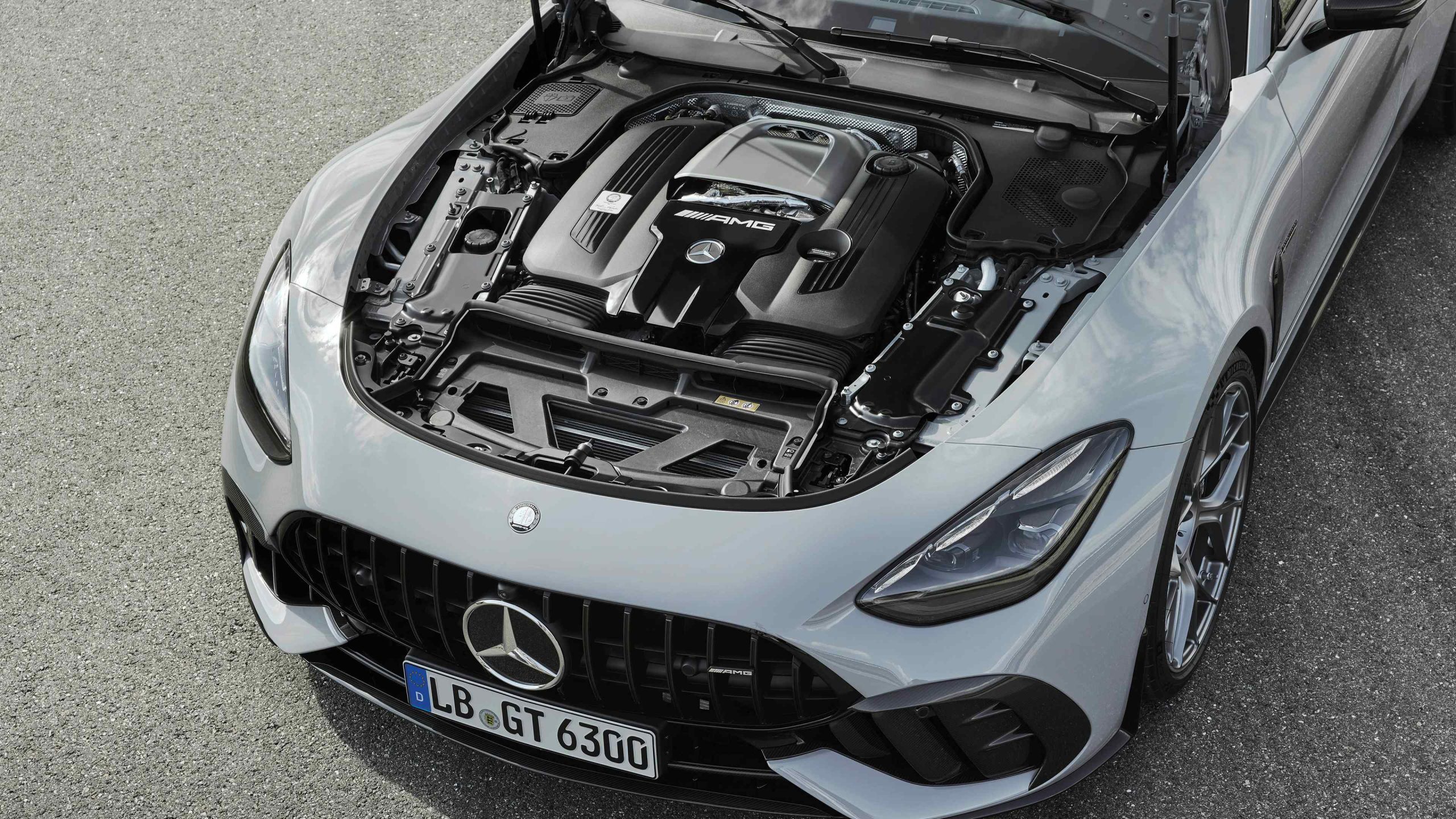
After several years of experimenting with hybridized four-cylinder engines, Mercedes-AMG has made a dramatic U-turn—reviving the thunderous V8 powerplants that once defined its high-performance cars.
A Short-Lived Affair with the PHEV Turbo Four
Mercedes-AMG’s recent strategy of pairing plug-in hybrid electric vehicle (PHEV) systems with smaller 2.0-liter turbocharged four-cylinder engines was seen as a bold, eco-conscious move. While technically impressive, the decision was met with lukewarm enthusiasm from longtime AMG fans. Critics and customers alike argued that these smaller powertrains lacked the visceral character and sound that defined the AMG badge.
Why V8s Are Making a Comeback
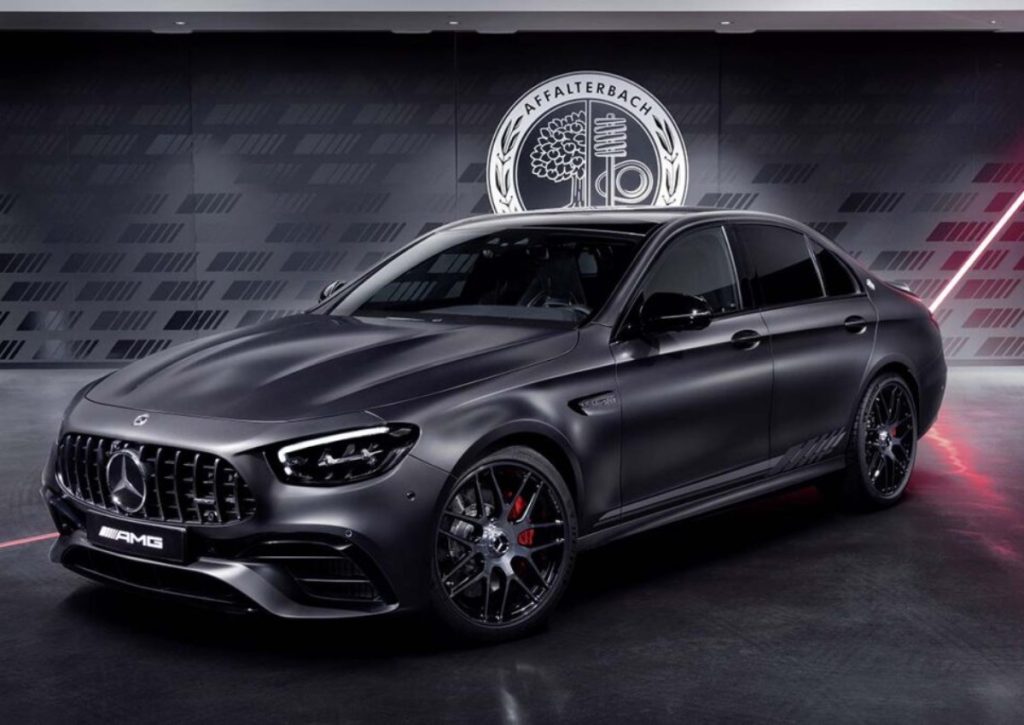
Despite advancements in efficiency and performance, the emotional appeal of a roaring V8 remains unmatched. According to reports, lackluster sales and underwhelming customer feedback played a major role in the company’s decision to return to its roots. Enthusiasts crave the aggressive soundtrack, immediate torque, and dynamic character of a naturally aspirated or twin-turbo V8—qualities the four-cylinder hybrids simply couldn’t replicate.
Enthusiasts Have Spoken
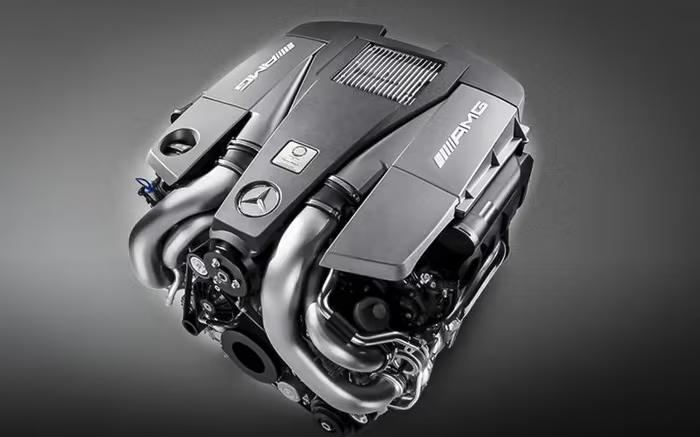
Jalopnik’s viral headline captures the mood perfectly: “Nobody Wants a Turbo Four.” Social media responses have been overwhelmingly supportive of the move. With thousands of likes and hundreds of comments, it’s clear the V8 isn’t just a relic—it’s a statement of intent, performance, and identity.
What’s Next for AMG?
As Mercedes-AMG reintroduces V8 engines to its lineup, the brand aims to strike a new balance between modern tech and classic muscle. While electrification isn’t going away, it’s becoming evident that performance enthusiasts still value emotional driving experiences—and the V8 delivers that in spades.

 Zakirin