 Akmal Azhar
Perodua eMO-II: Malaysia’s Affordable EV Vision Unveiled at MAEPS Serdang
At the Malaysia Autoshow 2025, held from May 9 to 15 at the Malaysia Agro Exposition Park Serdang (MAEPS), Perodua unveiled the eMO-II, a prototype electric vehicle (EV) poised to become Malaysia’s most affordable EV by the end of 2025. This event marked a significant milestone in the nation’s journey toward sustainable mobility.
Design and Features
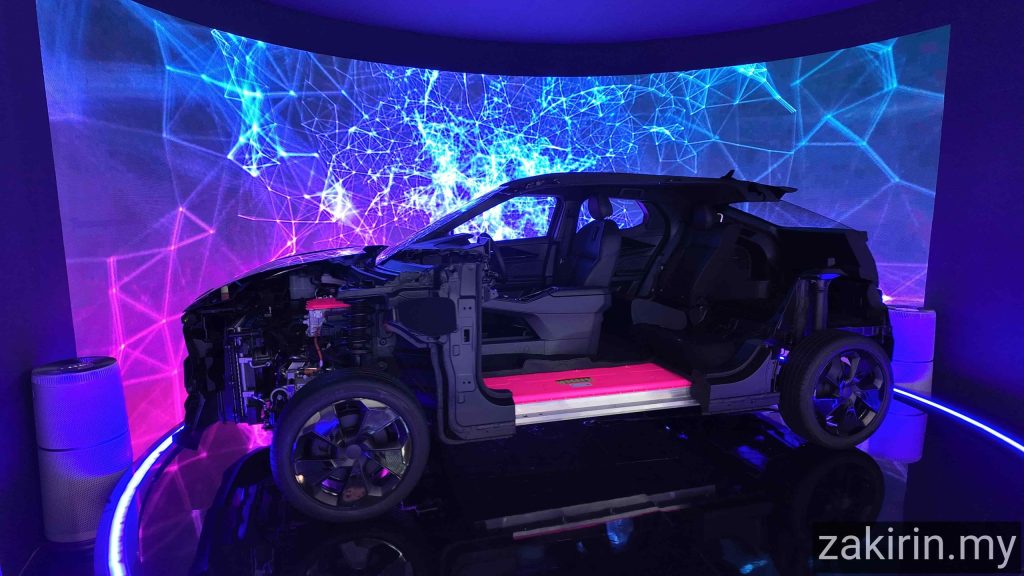
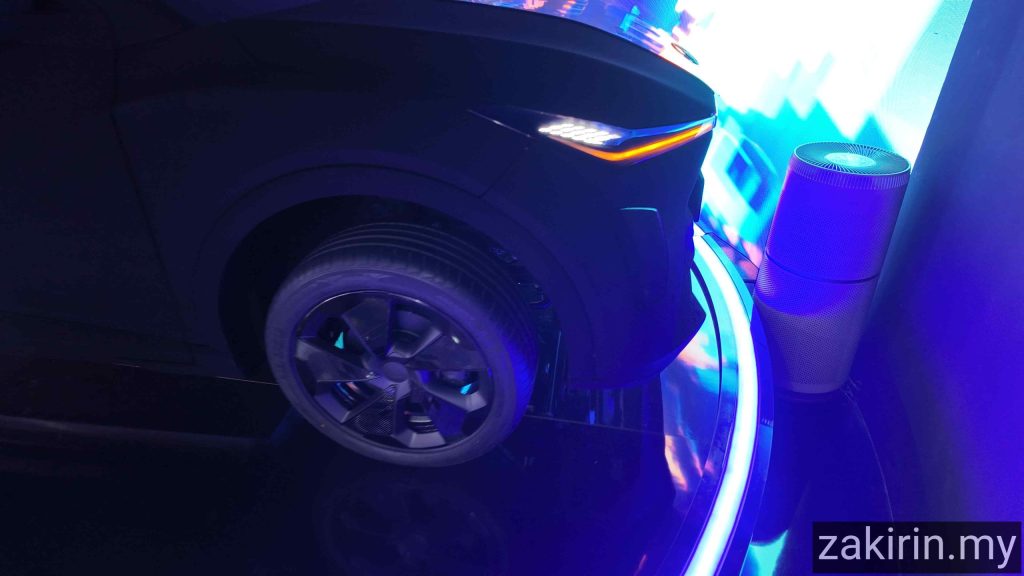
The eMO-II showcases a modern hatchback design infused with Malaysian cultural elements. Notably, the vehicle incorporates traditional songket-inspired patterns into its LED lighting, creating a unique aesthetic. The interior features a two-spoke steering wheel, digital instrument display, and a touchscreen interface for infotainment and vehicle settings. Innovative storage solutions, such as an umbrella compartment and detachable messenger bag, enhance practicality.
Performance and Technical Specifications
Equipped with a 50 kWh lithium iron phosphate (LFP) battery sourced from CATL, the eMO-II offers an estimated range of up to 410 kilometers on a single charge. The EV is designed to accelerate from 0 to 100 km/h in approximately 6 to 7 seconds. Charging options include an 8-hour full charge via AC and a rapid 30-minute charge from 10% to 80% using DC fast charging.
Production and Infrastructure Plans
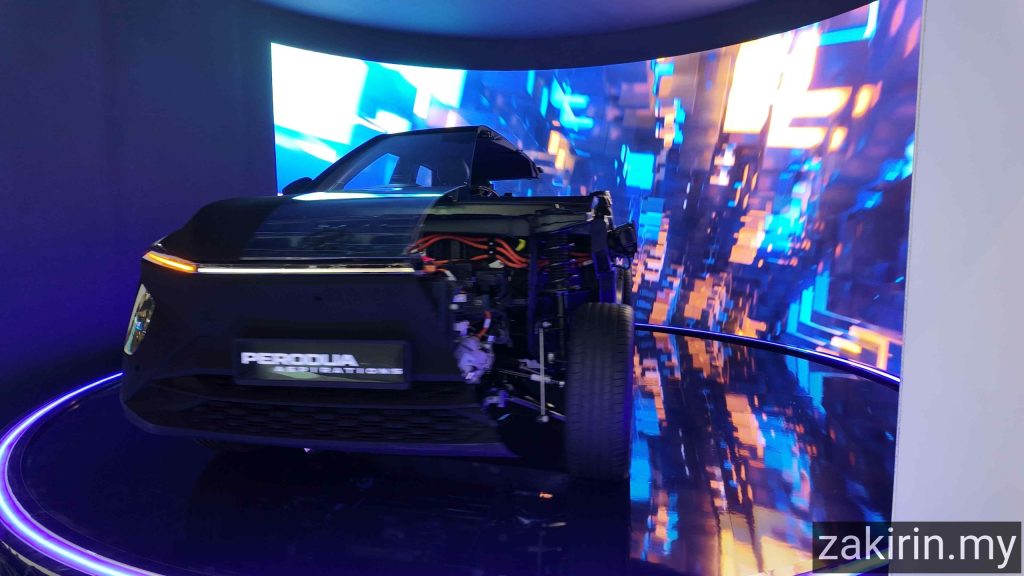
Perodua plans to commence production of the eMO-II in 2025, targeting an initial output of 500 units per month. While key components like the motor, inverter, and battery will initially be imported, the company aims to localize production over time to bolster domestic manufacturing capabilities. To support EV adoption, Perodua is collaborating with Gentari, a subsidiary of Petronas, to establish charging stations nationwide, aiming for installations every 40 to 50 kilometers.
Government Support and Industry Impact
The Malaysian government, including the Ministry of Investment, Trade and Industry, has expressed support for Perodua’s EV initiatives. This backing underscores a national commitment to fostering local EV production and innovation, aligning with broader goals to reduce carbon emissions and promote sustainable transportation.
Conclusion
The Perodua eMO-II represents a significant step toward affordable and sustainable mobility in Malaysia. By combining cultural design elements, practical features, and government-supported infrastructure development, Perodua aims to make electric vehicles a viable option for a wider segment of the Malaysian population.


 Zakirin