 Akmal Azhar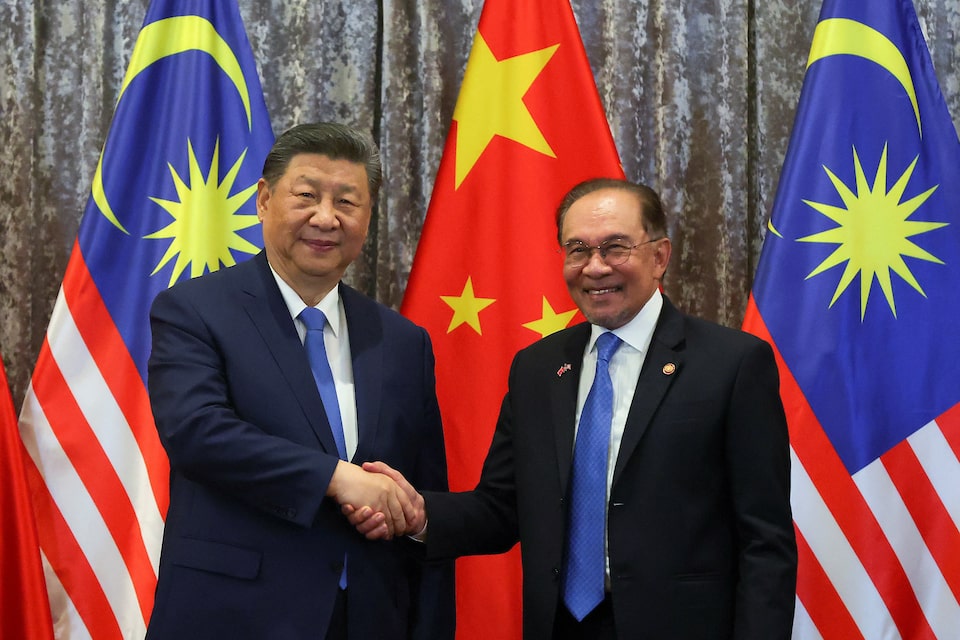
The Significance of Xi Jinping’s Visit
President Xi Jinping’s state visit to Malaysia from April 15–16, 2025, was not just ceremonial—it marked a deepening of ties between two long-standing economic partners. Over the two-day visit, Malaysia and China inked more than 30 bilateral cooperation agreements. These covered a wide array of sectors, including the digital economy, artificial intelligence, renewable energy, infrastructure, education, and agricultural exports.
These agreements underscore China’s interest in expanding its influence and partnerships in Southeast Asia, particularly amid tensions with Western economies. For Malaysia, it signals an opportunity to ride the wave of China’s outbound investments while securing its own place in the regional and global supply chain.
From Growth to Jobs: The Need for a Shift in Strategy
For years, Malaysia’s economic growth has been impressive on paper—solid GDP numbers, rising foreign investment, and a steady climb in industrial output. However, these indicators haven’t always translated into meaningful job creation, especially for young and skilled workers. The country now faces a pressing challenge: how to ensure that high-level agreements translate into real employment opportunities.
The Malaysia-Singapore Johor Special Economic Zone (SEZ) offers a glimpse of what’s possible. Announced earlier in 2025, the SEZ is expected to generate over 20,000 skilled jobs over the next five years. With its emphasis on advanced manufacturing, green technology, and digital innovation, the zone could serve as a blueprint for future development models across the country.
Investments in High-Impact Sectors
The agreements signed during Xi’s visit are heavily weighted toward strategic, high-impact sectors. For instance, the digital economy and artificial intelligence have been earmarked as future growth engines. These sectors not only promise high returns but are also capable of generating a new class of employment—jobs that are future-proof and globally relevant.
Malaysia must ensure that these investments are not just extractive or short-term. This means creating policies that prioritize local participation, enforce technology transfer, and encourage capacity building. Malaysian universities and vocational training institutions should be brought into the loop to prepare the workforce for the demands of a new economy driven by AI, data science, and green innovation.
Agricultural Boost and Rural Development
One notable aspect of the new agreements is the emphasis on agricultural exports. China’s massive consumer base presents a golden opportunity for Malaysian farmers and agri-entrepreneurs. This could revitalize rural economies and promote inclusive growth—if implemented correctly.
It is crucial that smallholders and cooperatives are given access to the necessary infrastructure, funding, and logistics support to meet export standards. Agro-tech investments, mobile applications for farmers, and rural e-commerce platforms can all play a role in bridging the rural-urban divide and ensuring that growth is distributed equitably.
Geopolitics and Strategic Positioning
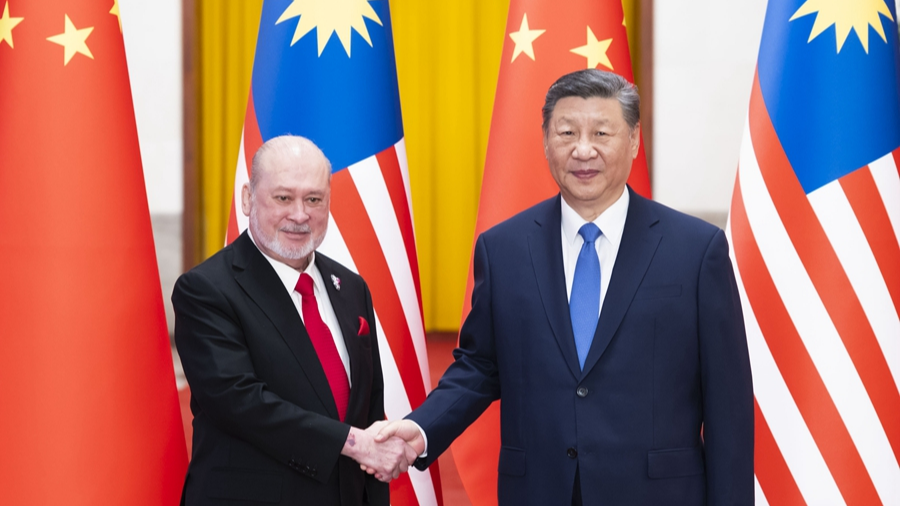
Malaysia’s growing engagement with China is not happening in a vacuum. As global geopolitical tensions intensify, countries like Malaysia find themselves walking a tightrope. The U.S.-China rivalry, the evolving Indo-Pacific strategy, and the reconfiguration of global trade flows all influence how Malaysia navigates its foreign policy and economic alliances.
By strengthening ties with China, Malaysia is attempting to position itself as a central player in Southeast Asia’s economic integration. However, it must also guard against over-dependence. A diversified approach—maintaining strong ties with ASEAN partners, Japan, the EU, and the U.S.—will be key to preserving its autonomy and flexibility.
Transparency, Accountability, and Execution
Signing MOUs and announcing large-scale projects is the easy part. The real challenge lies in execution. Malaysia has had its fair share of ambitious initiatives that faltered due to bureaucratic red tape, lack of oversight, or poor stakeholder engagement.
To ensure that the benefits of these new deals are fully realized, the government must enforce strict monitoring and evaluation mechanisms. This includes ensuring transparency in contract awards, adherence to environmental and labor standards, and open channels for public feedback. Public-private partnerships should be structured to prioritize long-term development over short-term profits.
Youth Employment and Future Workforce Planning
Malaysia’s youth unemployment rate remains high, and underemployment is a growing concern. Many graduates find themselves in jobs that do not match their qualifications or aspirations. This is a ticking time bomb in a country where 45% of the population is under the age of 25.
The new economic engagements offer a chance to reverse this trend. With proper planning, Malaysia can align its education and training systems with the demands of its evolving economy. Technical and vocational education and training (TVET) should be upgraded and promoted as viable pathways to high-paying careers. Likewise, industry-academia linkages must be strengthened to ensure curriculum relevance and employability.
Strengthening Local Enterprises and SMEs
While foreign investment is important, local businesses—particularly small and medium-sized enterprises (SMEs)—remain the backbone of the Malaysian economy. These enterprises must not be sidelined in the rush to attract multinationals and state-backed Chinese corporations.
Policies should be crafted to ensure that SMEs have access to financing, participate in supply chains, and benefit from digital transformation programs. Collaboration between Malaysian and Chinese SMEs should be encouraged, with the government playing a facilitative role in matchmaking and knowledge exchange.
Conclusion: From Potential to Progress
Malaysia’s economic crossroads present both a challenge and an opportunity. The recent visit by President Xi Jinping has opened doors, but it is up to Malaysia to walk through them with purpose and strategy. Converting growth into jobs and agreements into value requires more than rhetoric—it demands execution, coordination, and vision.
With bold leadership, inclusive policies, and smart investment in people and industries, Malaysia can turn this moment into a turning point—one that lifts not only its GDP, but also the lives of millions of its citizens.


 Zakirin