 Akmal Azhar
Windshield tints have become increasingly popular among car enthusiasts and everyday drivers alike, offering benefits like reduced glare, enhanced privacy, and a sleek aesthetic. However, one particular type of tint—mirror windshield tint—has sparked debate due to its unique reflective properties. While it undeniably adds a futuristic, head-turning look to any vehicle, questions about its safety, legality, and practicality, especially at night, have left many wondering: Should you drive with mirror windshield tint?
What Is Mirror Windshield Tint?
Mirror windshield tint, also known as reflective tint, is a type of window film that creates a mirrored effect on the exterior of the glass. This tint works by reflecting sunlight and other external light sources, giving the car a shiny, almost chrome-like appearance. It’s often used for aesthetic purposes, as it adds a high-tech, custom look to vehicles. However, its reflective properties also serve functional purposes, such as reducing heat and UV radiation inside the car.
The Appeal of Mirror Tint: Why Drivers Choose It
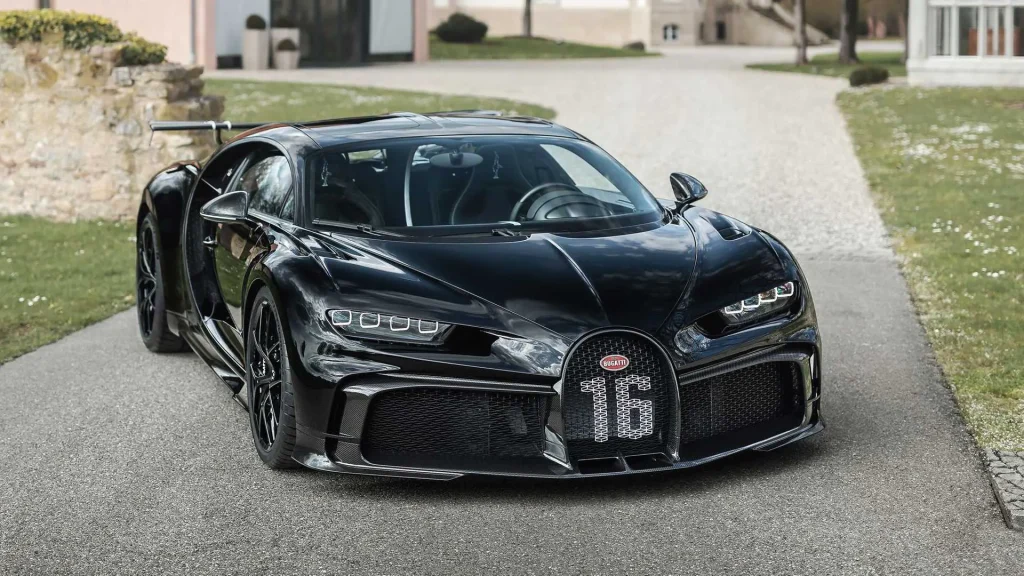
The primary reason drivers opt for mirror windshield tint is its striking visual appeal. The reflective surface makes the car stand out, giving it a unique, futuristic vibe. Beyond aesthetics, mirror tint offers practical benefits:
- Heat Reduction: By reflecting sunlight, mirror tint helps keep the car’s interior cooler, reducing the need for air conditioning and improving fuel efficiency.
- UV Protection: The tint blocks harmful UV rays, protecting the driver and passengers from skin damage and preventing the car’s interior from fading.
- Privacy: The reflective surface makes it difficult for outsiders to see inside the vehicle, providing an added layer of privacy.
The Challenges of Mirror Tint: Visibility and Safety Concerns
While mirror tint offers several advantages, it also comes with significant drawbacks, particularly when it comes to visibility and safety.
- Reduced Nighttime Visibility
One of the most common complaints about mirror tint is its impact on nighttime driving. The reflective surface can interfere with the driver’s ability to see clearly, especially in low-light conditions. Streetlights, headlights from other vehicles, and even dashboard reflections can create glare, making it harder to navigate the road safely. - Distraction for Other Drivers
Mirror tint’s reflective surface can be blinding to other drivers, particularly in bright sunlight. This not only poses a safety risk but can also lead to road rage or accidents. - Legal Restrictions
In many regions, mirror windshield tint is illegal due to its potential to impair visibility and distract other drivers. Laws regarding window tint vary by location, but most jurisdictions have strict limits on the level of reflectivity allowed.
Can You See at Night with Mirror Tint?
The answer to this question depends on the tint’s darkness and reflectivity. Lightly tinted mirrors may not significantly impair nighttime visibility, but darker or highly reflective tints can make it extremely difficult to see. Drivers with mirror tint often report:
- Increased Glare: Reflective tints can amplify the glare from oncoming headlights, making it harder to focus on the road.
- Reduced Clarity: The tint can distort the driver’s view, particularly in poorly lit areas or during adverse weather conditions.
- Eye Strain: Prolonged driving with mirror tint at night can cause eye strain and fatigue, further compromising safety.
Should You Drive with Mirror Windshield Tint?
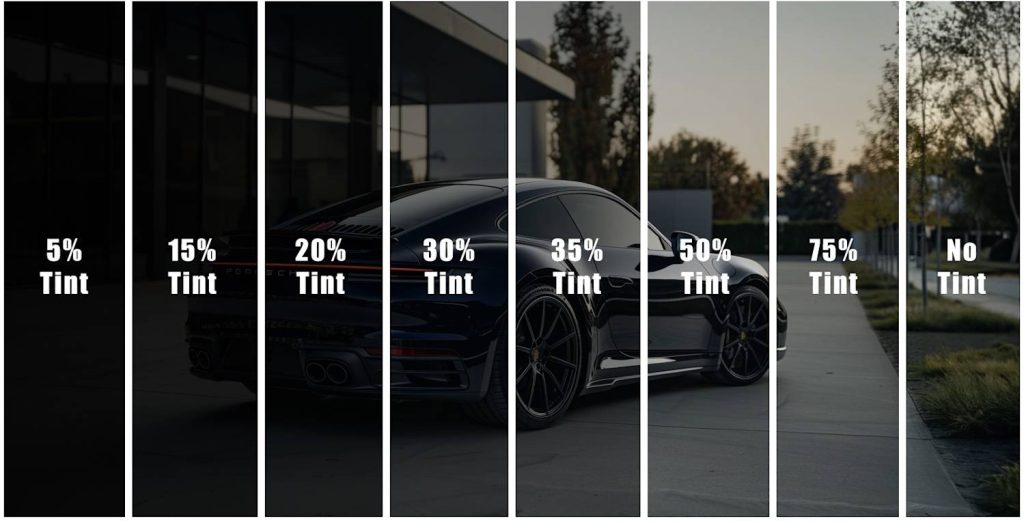
The decision to install and drive with mirror windshield tint ultimately comes down to personal preference, local laws, and safety considerations. Here are some factors to weigh:
- Aesthetic vs. Practicality
If you’re drawn to the unique look of mirror tint, consider whether the aesthetic benefits outweigh the potential safety risks. - Legal Compliance
Before installing mirror tint, check your local regulations. In many areas, reflective tints are prohibited on windshields and front side windows. - Driving Conditions
If you frequently drive at night or in low-visibility conditions, mirror tint may not be the best choice. Opt for a non-reflective tint that offers UV protection and heat reduction without compromising visibility. - Alternative Options
If you’re looking for a balance between style and functionality, consider ceramic tints or carbon tints. These options provide heat reduction and UV protection without the reflective properties of mirror tint.
Conclusion: Weighing the Pros and Cons
Mirror windshield tint is undeniably eye-catching, offering a blend of style and functionality that appeals to many drivers. However, its impact on visibility—especially at night—and its potential to distract other road users raise valid safety concerns. Additionally, legal restrictions in many areas make it a risky choice for those looking to stay compliant with the law.
If you’re considering mirror tint, it’s essential to weigh the pros and cons carefully. Prioritize safety and legality, and explore alternative tint options that provide similar benefits without the drawbacks. After all, the best tint is one that enhances your driving experience without compromising your safety or the safety of others on the road.

 Zakirin