 Akmal Azhar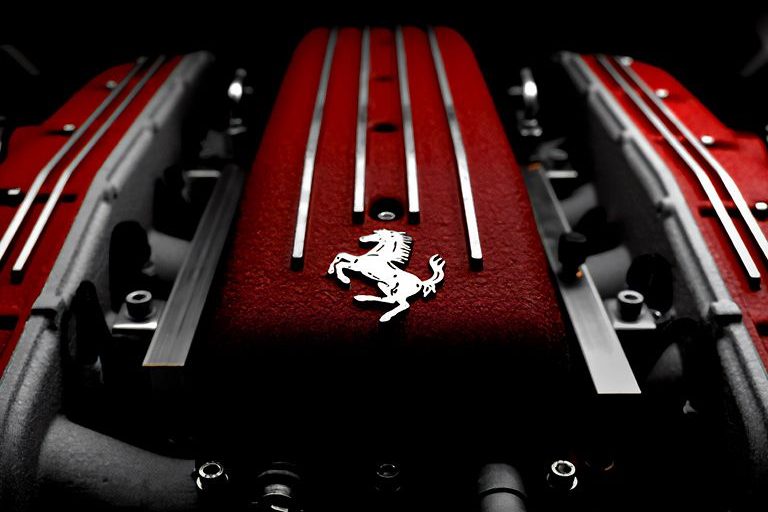
In the world of automotive engineering, Ferrari has always been synonymous with innovation, performance, and a relentless pursuit of perfection. Among the many groundbreaking ideas that have emerged from Maranello, one of the most fascinating is the oval piston V12 engine—a revolutionary concept that promised to redefine the boundaries of internal combustion technology. Although this engine never made it into production, its story remains a testament to Ferrari’s willingness to push the envelope and explore uncharted territory.
The Origins of the Oval Piston Concept
The concept of an oval piston engine is not entirely new. The idea dates back to the early 20th century, when engineers first began experimenting with unconventional piston shapes to increase engine efficiency and power output.
However, it was Ferrari, in the late 1960s, that took this concept to a whole new level. The project was spearheaded by Franco Rocchi, Ferrari’s chief engine designer at the time, who envisioned an engine that could deliver unparalleled performance while maintaining the elegance and sophistication that Ferrari is known for.
The Design and Engineering Challenges
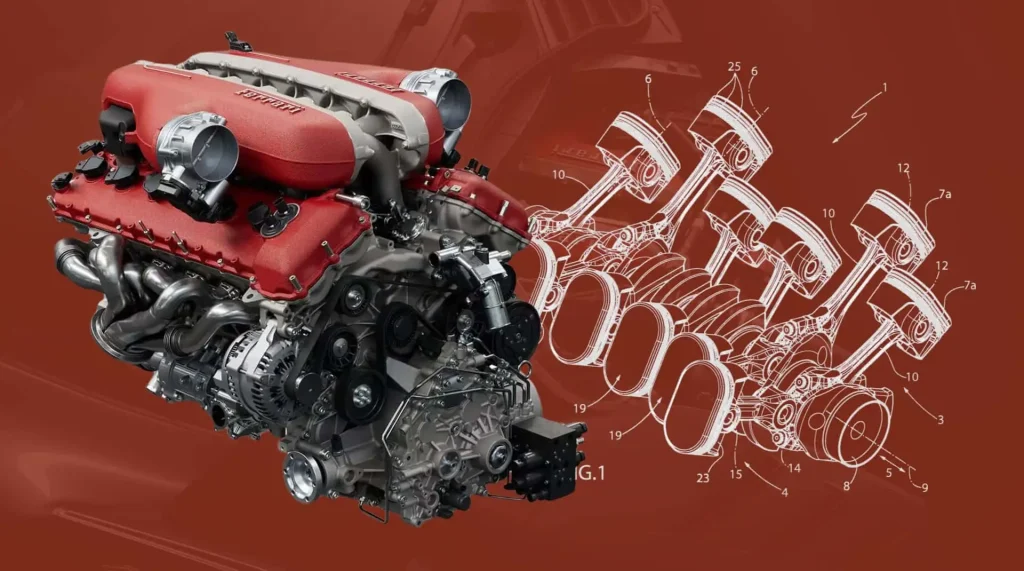
The oval piston V12 engine was designed to address several key challenges faced by traditional engines. One of the primary limitations of conventional piston engines is the shape of the combustion chamber. In a typical engine, the cylindrical pistons move up and down within cylindrical bores, creating a combustion chamber that is far from ideal in terms of efficiency.
The oval piston design, on the other hand, allowed for a more optimized combustion chamber shape, which could potentially lead to better fuel combustion, increased power output, and reduced emissions.
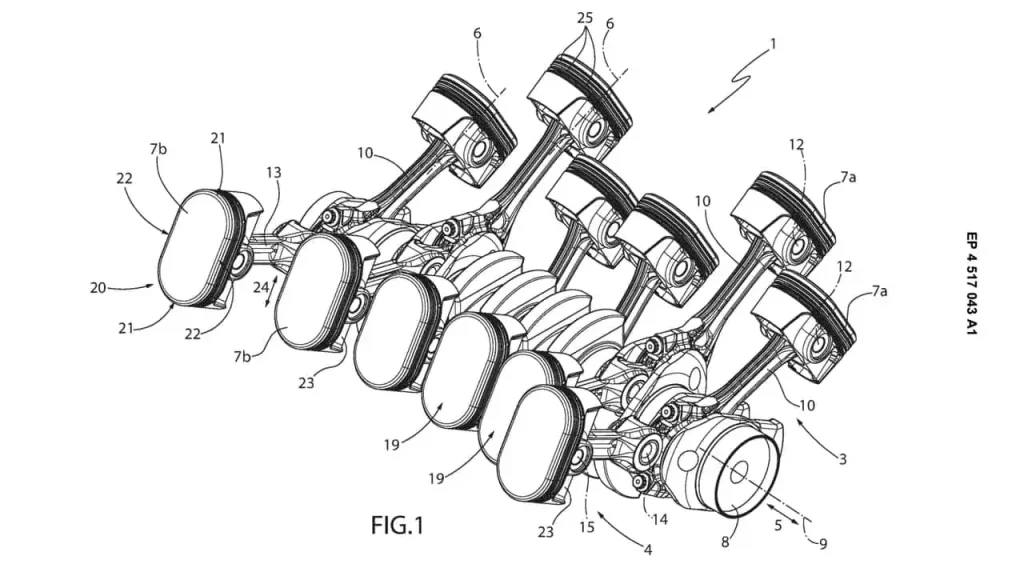
The oval pistons were designed to move in an elliptical path, which required a completely reimagined crankshaft and connecting rod assembly. This design allowed for a more compact engine layout, reducing the overall size and weight of the engine while maintaining a high displacement. The V12 configuration, with its inherent balance and smoothness, was chosen to complement the oval piston design, resulting in an engine that promised to deliver both power and refinement.
Advantages of the Oval Piston Design
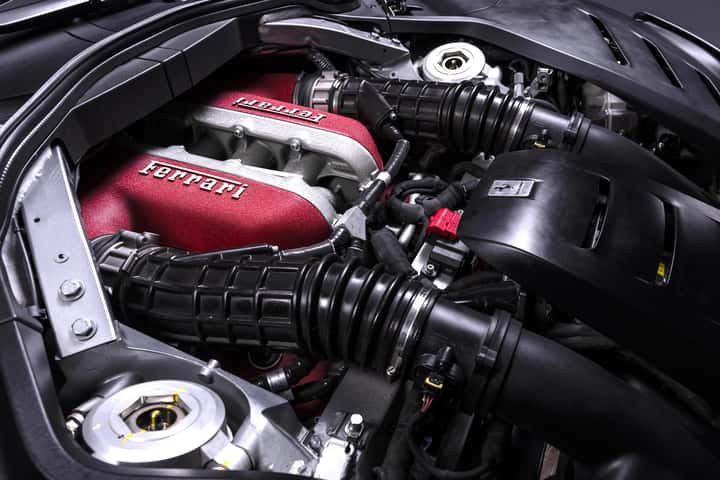
One of the most significant advantages of the oval piston design was its potential to increase the engine’s valve area. In a traditional engine, the size and number of valves are limited by the cylindrical shape of the pistons.
The oval pistons, however, allowed for larger valves and a more efficient airflow into and out of the combustion chamber. This, in turn, could lead to higher RPMs and greater power output, making the engine ideal for high-performance applications.
Technical Challenges and Limitations
Despite its promising potential, the oval piston V12 engine faced numerous technical challenges. One of the biggest hurdles was the manufacturing process. Creating oval pistons with the precision required for a high-performance engine was an incredibly complex task.
The pistons had to be perfectly matched to the elliptical bores, and the materials used had to withstand the extreme temperatures and pressures generated during combustion. Additionally, the unique design of the crankshaft and connecting rods required advanced engineering and machining techniques that were not readily available at the time.
Another challenge was the engine’s durability and reliability. The oval piston design introduced new stresses and wear patterns that were not fully understood. Ensuring that the engine could withstand the rigors of high-performance driving without compromising on longevity was a significant concern. Ferrari’s engineers conducted extensive testing and development, but the project ultimately proved to be too ambitious for the technology of the era.
The Impact of Timing and Industry Shifts
The oval piston V12 engine was also a victim of timing. By the late 1960s, the automotive industry was beginning to shift its focus towards more practical and cost-effective solutions. The oil crisis of the 1970s further accelerated this trend, as manufacturers were forced to prioritize fuel efficiency and emissions reduction over raw performance. In this context, the oval piston V12 engine, with its complex design and high development costs, was deemed impractical for mass production.
Legacy and Influence on Future Engineering
Despite its ultimate fate, the oval piston V12 engine remains a fascinating chapter in Ferrari’s history. It serves as a reminder of the brand’s commitment to innovation and its willingness to explore bold and unconventional ideas.
While the engine never made it into a production car, the knowledge gained from the project undoubtedly influenced future Ferrari engines, contributing to the brand’s reputation for engineering excellence.
In recent years, there has been renewed interest in unconventional engine designs, driven by the need for greater efficiency and reduced emissions. Advances in materials science, manufacturing techniques, and computer-aided design have made it possible to revisit some of the ideas that were once considered too radical or impractical. While it is unlikely that we will see an oval piston engine in a production car anytime soon, the concept continues to inspire engineers and enthusiasts alike.
Conclusion: A Testament to Ferrari’s Innovative Spirit
The story of Ferrari’s oval piston V12 engine is a testament to the spirit of innovation that has defined the brand for decades. It is a reminder that progress often requires taking risks and exploring uncharted territory, even if the results are not immediately apparent.
While the engine itself may have been a footnote in Ferrari’s history, its legacy lives on in the brand’s continued pursuit of excellence and its unwavering commitment to pushing the boundaries of what is possible.
In conclusion, Ferrari’s oval piston V12 engine is a fascinating example of what happens when visionary engineering meets the limits of technology. Although it never made it into production, the engine remains a symbol of Ferrari’s relentless drive to innovate and its willingness to explore bold new ideas. As the automotive industry continues to evolve, the lessons learned from this ambitious project will undoubtedly continue to inspire future generations of engineers and designers.


 Zakirin