 Zakirin
In the ever-evolving landscape of the global luxury automotive industry, the year 2024 has emerged as a pivotal chapter, marked by Lamborghini’s unprecedented achievement of outselling its historic rival, Bentley, for the first time in decades. This milestone is not merely a reflection of shifting consumer preferences but a culmination of strategic decisions, technological innovation, and cultural shifts that have redefined what it means to own a luxury vehicle. The rivalry between these two iconic brands, both under the Volkswagen Group umbrella, has long been characterized by contrasting philosophies—Lamborghini’s audacious embrace of hyper-performance and avant-garde design versus Bentley’s timeless commitment to handcrafted opulence and understated elegance. Yet, the sales figures for 2024 reveal a broader narrative about how global markets, generational priorities, and sustainability imperatives are reshaping the hierarchy of luxury automotive brands.
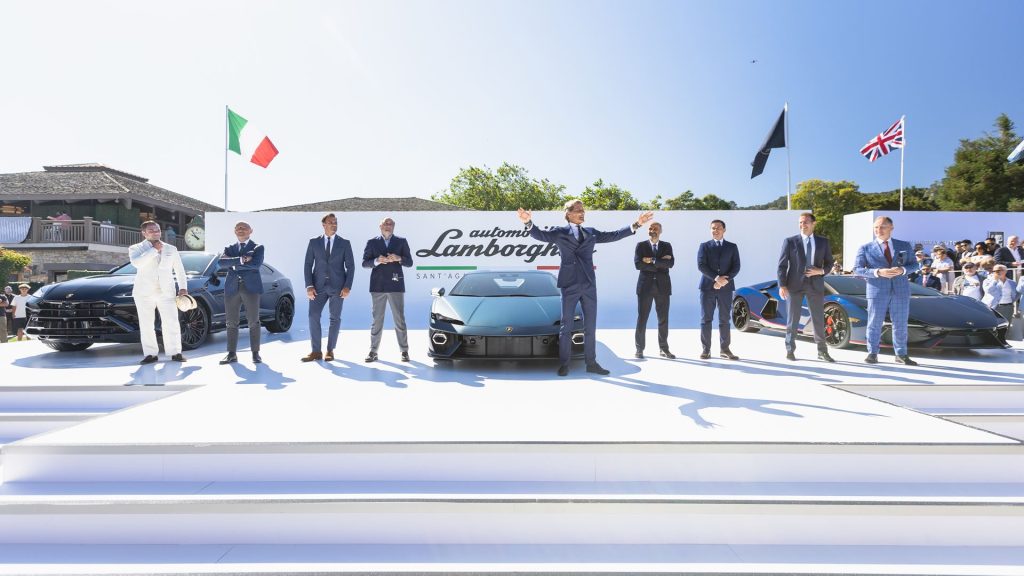
Lamborghini’s ascent to the top of the sales charts in 2024 can be traced to a combination of aggressive product diversification, a laser focus on emerging markets, and a calculated bet on hybrid technology. The brand’s Urus SUV, introduced in 2018, has been a game-changer, democratizing access to the Lamborghini nameplate by appealing to a broader demographic of buyers who prioritize practicality alongside performance. The Urus now accounts for nearly 60% of Lamborghini’s global sales, a statistic that underscores the seismic shift in consumer demand toward high-riding, versatile vehicles even within the ultra-luxury segment. Meanwhile, the company’s core supercars, such as the Revuelto and the hybridized Aventador successor, have continued to captivate purists with their naturally aspirated V12 engines and futuristic aesthetics, bridging the gap between tradition and innovation.
Bentley, by contrast, has faced headwinds in maintaining its historical sales momentum, despite launching critically acclaimed models like the redesigned Continental GT and the Bentayga EWB (Extended Wheelbase). The brand’s reliance on traditional markets such as Europe and North America, where economic uncertainties and tightening emissions regulations have dampened demand for large, combustion-engine vehicles, has partially contributed to its slower growth. Bentley’s clientele, often characterized as older, wealthier individuals with a penchant for bespoke craftsmanship, has been slower to embrace electrification compared to Lamborghini’s younger, tech-savvy audience. While Bentley’s commitment to going fully electric by 2030 remains intact, its hybrid offerings, such as the Flying Spur Hybrid, have yet to resonate as strongly as Lamborghini’s plug-in hybrid supercars, which are marketed as performance enhancers rather than eco-conscious compromises.
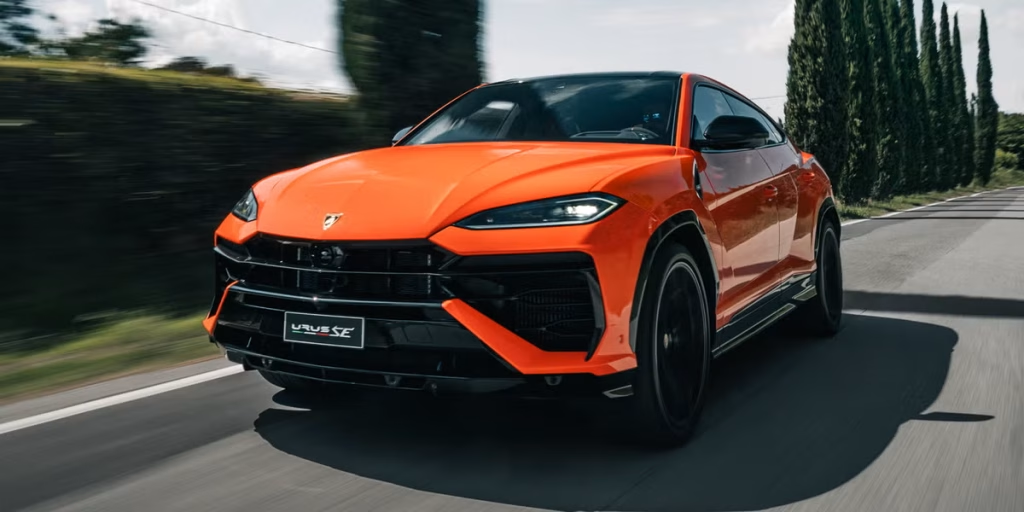
The regional sales breakdown further illuminates the divergent trajectories of these two automakers. Lamborghini has aggressively targeted markets in Asia-Pacific, particularly China and India, where a burgeoning class of ultra-high-net-worth individuals views supercars as symbols of status and success. In China alone, Lamborghini’s sales grew by 23% in 2024, driven by strategic partnerships with local dealers and a curated lineup of limited-edition models tailored to regional tastes. Bentley, while still performing respectably in these regions, has struggled to match this growth, as its emphasis on heritage and subtlety clashes with the ostentatious preferences of many nouveau riche buyers in emerging economies. Meanwhile, in the Middle East, Lamborghini’s flamboyant designs and blistering performance credentials align seamlessly with a culture that celebrates extravagance, whereas Bentley’s quieter luxury ethos has faced competition from rivals like Rolls-Royce, which dominates the ultra-luxury sedan and SUV segments.
The role of digitalization and experiential marketing cannot be understated in Lamborghini’s success. The brand has masterfully leveraged social media platforms like Instagram and TikTok to cultivate a aspirational image among younger audiences, partnering with influencers and hosting viral-worthy events such as drone-lit midnight launches and immersive virtual reality test drives. Bentley, while increasingly active in the digital space, has maintained a more conservative approach, emphasizing heritage and exclusivity through art gallery collaborations and private client events. This dichotomy highlights a generational divide in luxury consumption: Lamborghini’s buyers, many of whom are self-made entrepreneurs or heirs to tech fortunes, crave instant gratification and public recognition, while Bentley’s traditional clientele often values discretion and long-term investment in heirloom-quality assets.
Sustainability, once seen as antithetical to the supercar ethos, has become a battleground for innovation. Lamborghini’s “Direzione Cor Tauri” strategy, which aims for full carbon neutrality by 2030, has been met with enthusiasm from both regulators and consumers. The brand’s hybrid powertrains, which pair electric motors with thunderous V12 engines, are marketed not as concessions to environmentalism but as enhancements to performance, offering instantaneous torque and reduced lag. Bentley’s “Beyond100” plan, while equally ambitious, faces a steeper climb due to its heavier vehicles and larger carbon footprints. The brand’s upcoming electric vehicles, such as the anticipated Bentley EV sedan, must reconcile the weight and size inherent to its design language with the efficiency demands of battery-electric technology—a challenge Lamborghini sidesteps by focusing on lightweight materials and aerodynamics.
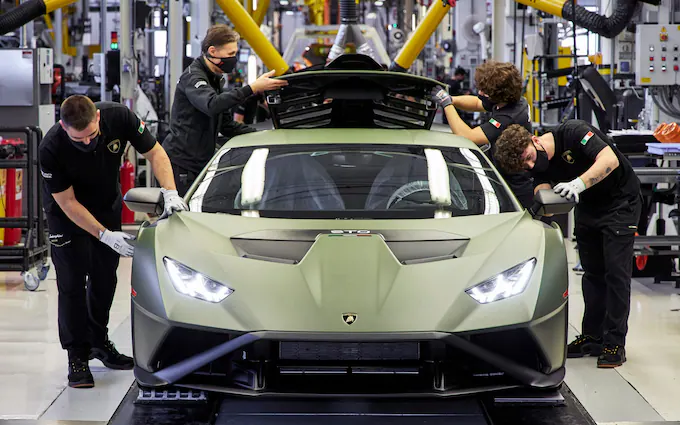
The economic landscape of 2024 has also played a role in this sales upset. Post-pandemic recovery in key markets has been uneven, with inflation and supply chain disruptions continuing to affect production timelines and consumer spending. Lamborghini’s streamlined manufacturing processes, honed through years of low-volume, high-margin production, have allowed it to navigate these challenges more adroitly than Bentley, which relies on more labor-intensive craftsmanship. Additionally, the global semiconductor shortage, while easing, has disproportionately impacted Bentley’s tech-heavy models, such as the Bentayga, which require advanced driver-assistance systems and infotainment suites. Lamborghini’s simpler, performance-focused interiors—prioritizing analog dials and tactile controls over sprawling digital screens—have proven less vulnerable to component shortages.
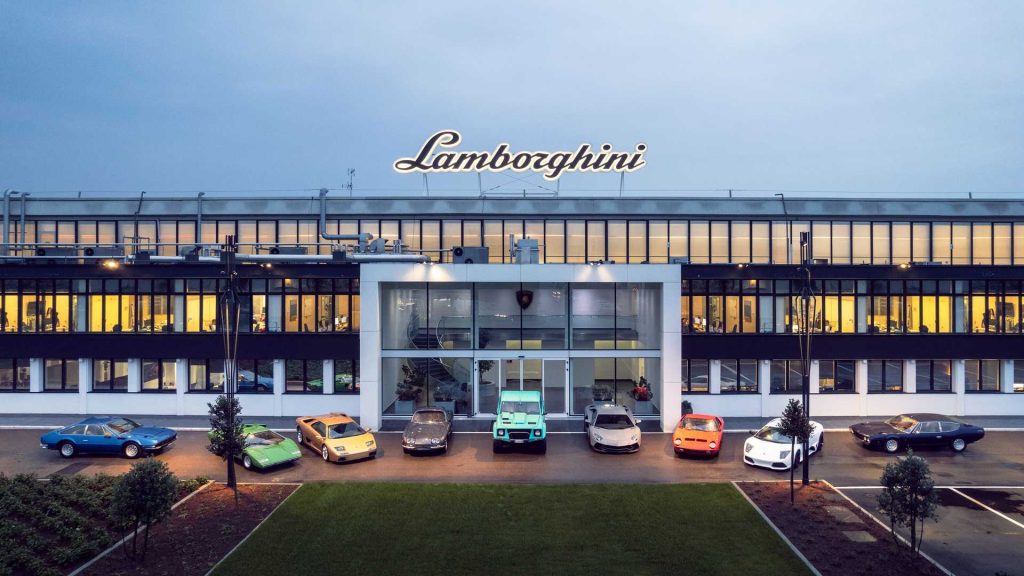
Cultural trends toward personalization and exclusivity have further tilted the scales in Lamborghini’s favor. The brand’s Ad Personam customization program, which allows buyers to spec every detail of their vehicle down to the stitching pattern on the seats, has become a major draw for clients seeking one-of-a-kind creations. Bentley’s Mulliner division, though equally capable of producing bespoke masterpieces, is often perceived as catering to a more niche, traditionalist audience. Moreover, Lamborghini’s limited-run models, such as the track-only Essenza SCV12 and the Veneno roadster, generate frenzied demand and secondary market premiums, reinforcing the brand’s aura of unattainability. Bentley’s limited editions, while prestigious, lack the same cult following among collectors, partly due to the brand’s association with mass-market parent company Volkswagen.
The impact of motorsport should not be overlooked in Lamborghini’s brand equity. The company’s participation in GT racing and its Squadra Corse division, which develops race-bred technologies for road cars, have bolstered its reputation as a performance leader. Bentley’s brief foray into motorsport with the Continental GT3, though successful in endurance racing, has not been sustained with the same vigor, leaving the brand less visible in the high-octane world of competitive racing. For younger buyers, particularly in regions like Southeast Asia and the United States, Lamborghini’s racing pedigree translates into street credibility that Bentley’s stately image cannot easily replicate.
Looking ahead, the question for both brands is how to sustain their momentum in an industry facing existential challenges. Lamborghini must balance its newfound mass appeal with the exclusivity that defines its identity, avoiding the pitfalls of overproduction that have plagued other luxury marques. The brand’s upcoming Lanzador electric crossover, set to debut in 2028, will be a litmus test for its ability to innovate without alienating its core enthusiasts. Bentley, meanwhile, faces the daunting task of reinventing itself for an electric future while preserving the hallmarks of its DNA—silent refinement, sumptuous interiors, and effortless power. The brand’s ability to attract a younger, more diverse clientele without diluting its heritage will determine whether it can reclaim its position in the sales hierarchy.
Underlying this rivalry is a broader transformation within the automotive industry, where traditional notions of luxury are being rewritten by climate imperatives, digitalization, and shifting societal values. The fact that Lamborghini—a brand once synonymous with excess and rebellion—now leads in sales over Bentley—a paragon of establishment luxury—speaks to a world where dynamism and adaptability are prized above all else. Yet, both brands remain united by their pursuit of excellence, each representing a different facet of human aspiration: Lamborghini, the unrelenting drive to push boundaries; Bentley, the enduring desire to travel through life in peerless comfort. As the automotive landscape continues to evolve, their competition will not only shape the future of luxury mobility but also reflect the changing dreams of those who can afford to chase them.