 Zakirin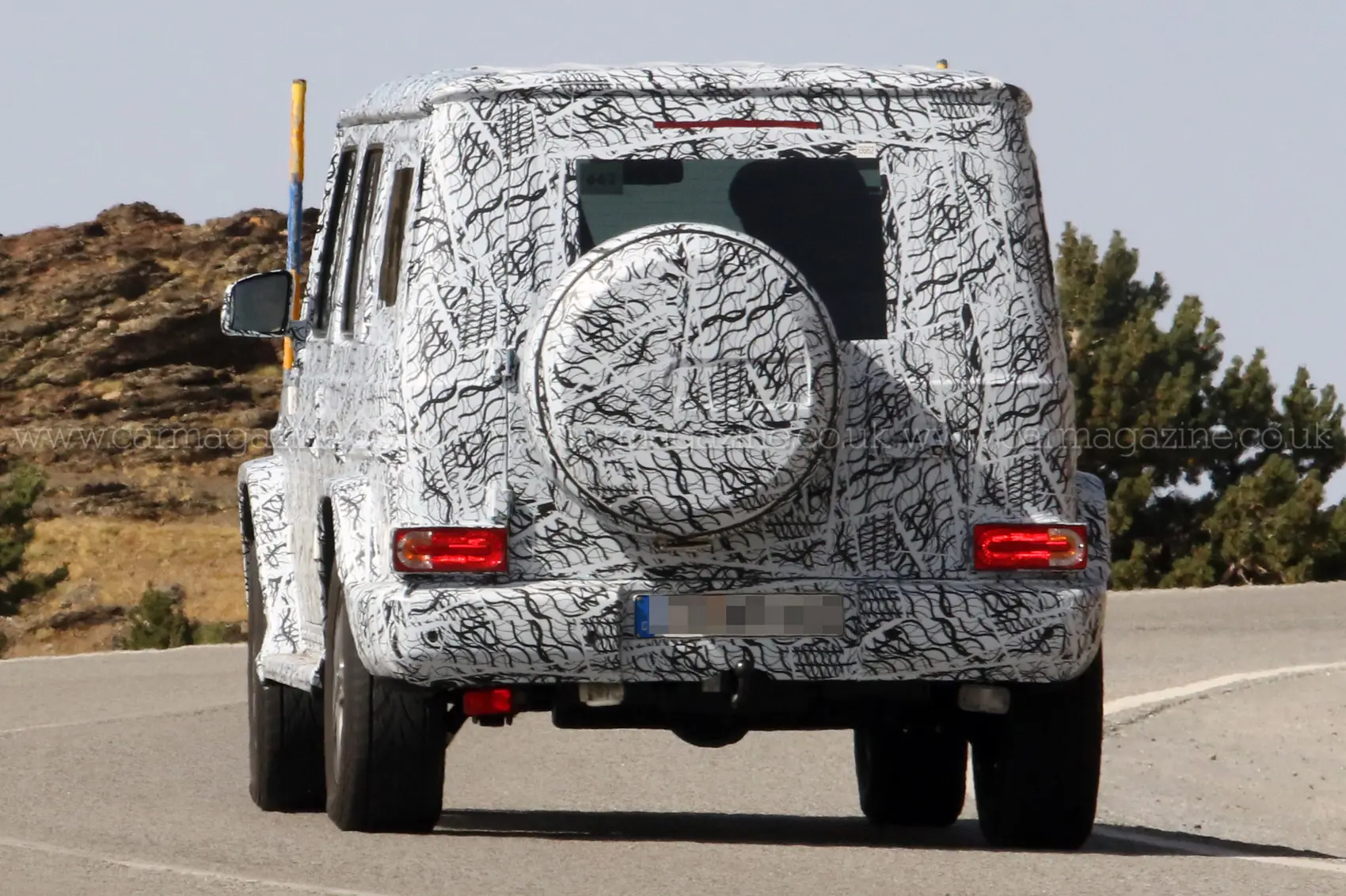
Mercedes-Benz has officially confirmed the development of a smaller version of its iconic G-Class, a vehicle that has long stood as a symbol of rugged luxury and engineering prowess. This announcement marks a significant shift in the brand’s strategy, reflecting broader trends in the automotive industry toward compact SUVs and electrification while attempting to retain the essence of a model that has captivated enthusiasts for decades.

The G-Class, originally designed as a military vehicle in the late 1970s, evolved into a status symbol for urban adventurers and celebrities, blending off-road capability with opulent interiors. Its boxy silhouette, ladder-frame construction, and three locking differentials became hallmarks of its identity, earning it a cult-like following. However, as global markets increasingly prioritize sustainability, urbanization, and stricter emissions regulations, Mercedes-Benz faces the challenge of adapting this legendary nameplate to modern demands without diluting its heritage. The decision to create a smaller G-Class underscores the company’s recognition of shifting consumer preferences, particularly among younger buyers and urban dwellers who seek the prestige of the G-Class but in a more maneuverable, efficient package suited to city life.
The smaller G-Class, often referred to internally as the “Little G,” is expected to draw heavily from the design language of its larger sibling, maintaining the signature squared-off proportions, round headlights, and upright grille. However, engineers and designers are tasked with reimagining these elements on a reduced scale, ensuring the vehicle remains instantly recognizable while adhering to contemporary aerodynamic and safety standards. Early rumors suggest the compact model may share its platform with Mercedes’ upcoming MMA (Mercedes Modular Architecture), a dedicated electric vehicle platform designed to accommodate a range of compact to midsize models.

This platform will likely support both fully electric and hybrid powertrains, aligning with the brand’s broader electrification goals under its “Ambition 2039” initiative, which aims for carbon neutrality across its fleet within the next two decades. The move toward electrification is particularly strategic, as it allows Mercedes to future-proof the G-Class lineage against tightening emissions laws in key markets like Europe and China, where combustion-engine vehicles face increasing restrictions.
While the original G-Class has remained largely true to its utilitarian roots, the smaller variant is anticipated to prioritize on-road comfort and technological innovation, reflecting the realities of how most modern drivers use their vehicles. This does not mean a complete abandonment of off-road capability, however. Mercedes engineers are reportedly working to integrate advanced all-wheel-drive systems, adaptive suspension setups, and terrain management software to ensure the “Little G” can still tackle rough trails, albeit in a more accessible manner. The balance between urban sophistication and adventurous spirit will be critical to its success, as the brand seeks to appeal to a demographic that values versatility—those who might commute through city streets during the week but venture into nature on weekends. This duality is central to the evolving identity of the G-Class, which has always straddled the line between function and luxury but must now also reconcile tradition with innovation.

The introduction of a smaller G-Class also reflects Mercedes-Benz’s response to competitive pressures within the luxury SUV segment. Rivals such as Land Rover have found success with models like the Defender 90, a shorter-wheelbase version of their flagship off-roader, which offers similar rugged appeal in a more compact form. Similarly, brands like Jeep with the Wrangler and Ford with the Bronco have capitalized on nostalgia and off-road heritage while introducing modern tech and powertrains.
By expanding the G-Class family, Mercedes aims to capture a slice of this growing market while differentiating itself through premium materials, cutting-edge technology, and the aura of exclusivity associated with the G-Class name. The smaller model could also serve as a gateway vehicle, attracting customers who aspire to own a G-Class but find the full-size version prohibitively expensive or impractical for daily use. Pricing strategies will be crucial here; positioning the “Little G” as a more accessible entry point without undermining the exclusivity of the larger model will require careful brand management.

Details about the powertrain options remain speculative, but industry analysts suggest the compact G-Class will debut as an electric vehicle (EV), leveraging Mercedes’ expertise in battery technology gained from models like the EQS SUV and EQE. An electric powertrain would align with the brand’s broader electrification strategy and offer distinct advantages, including instant torque for off-road scenarios and a lower center of gravity thanks to floor-mounted batteries. However, Mercedes may also offer hybrid variants to cater to markets where charging infrastructure remains underdeveloped or where consumers are hesitant to fully transition to EVs. The hybrid approach could combine a turbocharged four-cylinder engine with an electric motor, providing a balance of efficiency and range flexibility. Regardless of the configuration, performance will be a key focus, as the G-Class has always been associated with robust power figures, even in its civilian iterations.
Inside the cabin, the smaller G-Class is expected to mirror the luxurious appointments of its larger sibling, featuring high-quality materials such as Nappa leather, brushed aluminum, and open-pore wood trim. The latest iteration of Mercedes’ MBUX infotainment system will likely take center stage, with hyperscreen displays and augmented reality navigation enhancing the tech-forward ambiance. However, the compact dimensions will necessitate clever packaging solutions to maximize interior space, particularly for rear passengers and cargo. Designers may incorporate sliding rear seats, modular storage compartments, and a tailgate design optimized for urban practicality. The challenge lies in maintaining the G-Class’s signature sense of solidity and craftsmanship within a smaller footprint, ensuring that the vehicle feels premium rather than cramped.

The environmental implications of the smaller G-Class cannot be overlooked. As governments worldwide implement stricter emissions standards and consumers grow more eco-conscious, Mercedes must demonstrate that even its most iconic models can evolve sustainably. An electric “Little G” would contribute to the brand’s carbon reduction targets, but its overall environmental impact will depend on factors such as battery sourcing, manufacturing processes, and end-of-life recycling. Mercedes has made strides in these areas, such as partnering with suppliers committed to renewable energy and developing closed-loop recycling systems for batteries. However, the extraction of rare earth metals for EV components remains a contentious issue, prompting the industry to explore alternatives like solid-state batteries and hydrogen fuel cells. How Mercedes addresses these challenges will influence not only the success of the smaller G-Class but also the brand’s reputation as a leader in sustainable luxury.
Market reception to the smaller G-Class will hinge on several factors, including pricing, performance, and how well it retains the essence of the original. Enthusiasts of the classic G-Class may view the compact version with skepticism, fearing it could dilute the brand’s heritage. To mitigate this, Mercedes will need to emphasize the shared DNA between the two models, perhaps through collaborative marketing campaigns that highlight their common design elements and engineering philosophies. Conversely, new customers may be drawn to the lower entry price and modern features, viewing the “Little G” as a more practical yet equally prestigious alternative. Regional preferences will also play a role; European markets, with their narrower streets and higher fuel prices, may embrace the compact size, while North American buyers might require more convincing, given their historical preference for larger vehicles.

The smaller G-Class could also pave the way for further diversification within the model line. Mercedes has already experimented with high-performance variants like the AMG G 63 and ultra-luxurious editions such as the G-Class Manufaktur. A compact version might inspire additional derivatives, including a fully electric AMG model or a stripped-down, off-road-focused trim that harkens back to the G-Class’s military origins. This flexibility underscores the G-Class’s unique position within the Mercedes lineup as both a utilitarian workhorse and a canvas for innovation. Looking ahead, the brand may even explore autonomous driving capabilities in future iterations, though this would require reconciling the G-Class’s adventurous image with the passive nature of self-driving technology.
In conclusion, the confirmation of a smaller Mercedes-Benz G-Class represents a bold yet calculated evolution of a automotive icon. By adapting to contemporary demands for sustainability, urban practicality, and technological sophistication, Mercedes aims to preserve the G-Class’s legacy while expanding its appeal to a new generation of drivers. The project encapsulates the broader tensions facing the automotive industry: balancing heritage with innovation, luxury with accessibility, and performance with environmental responsibility. As development progresses, the world will be watching to see if the “Little G” can carve out its own identity while honoring the indomitable spirit of the original. Whether it succeeds will depend not only on engineering prowess but also on Mercedes-Benz’s ability to tell a compelling story—one that resonates with loyalists and newcomers alike, ensuring the G-Class remains relevant in an era of unprecedented change.
Need perfume? Buy erilavia