 Akmal Azhar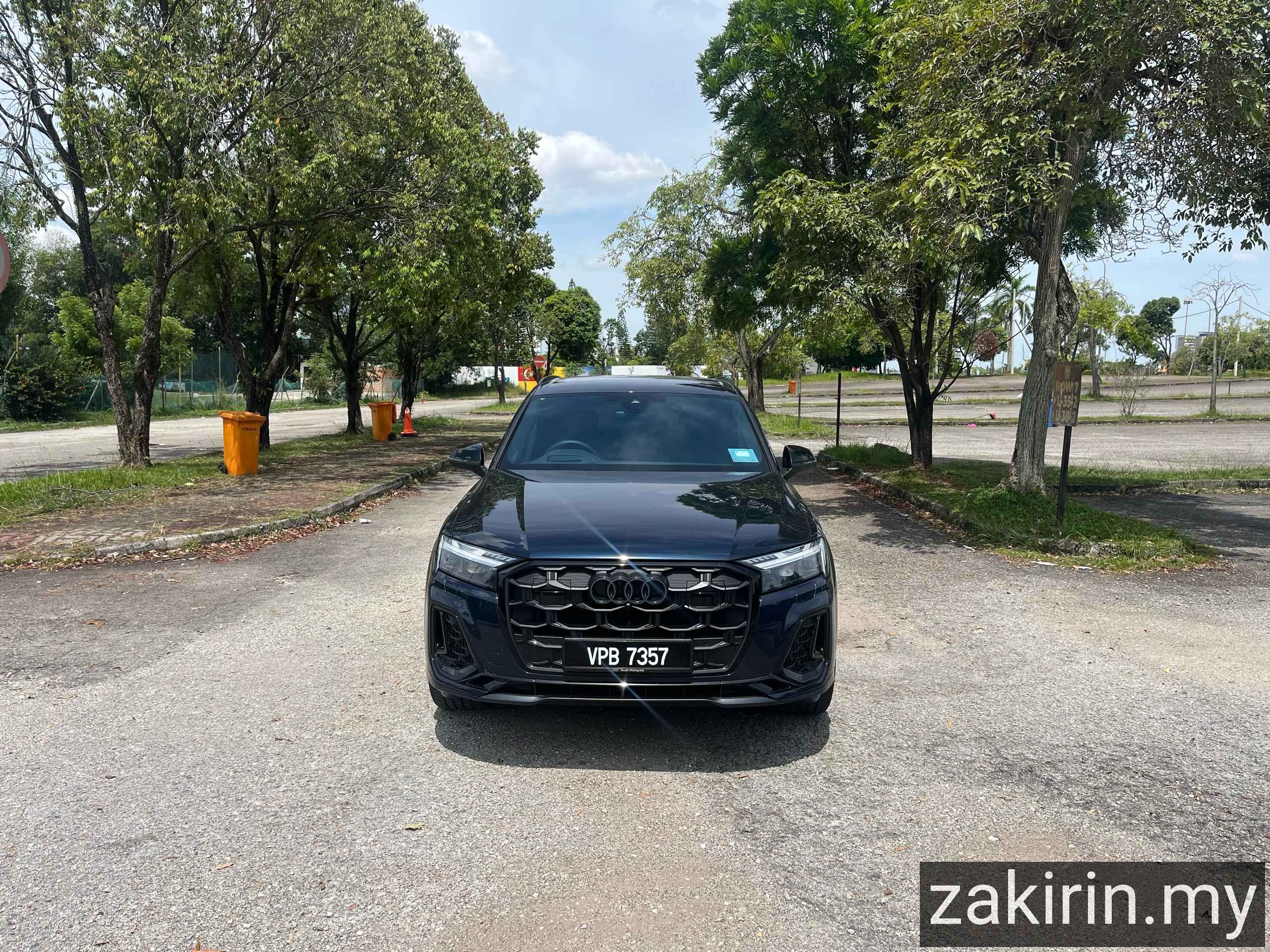
2025 Audi Q7 (Non-Hybrid) Full Review: Almost Perfect, With a Few Glaring Flaws
In a crowded luxury SUV market, the Audi Q7 continues to assert itself as a well-rounded, elegant contender. The 2025 non-hybrid version offers a refreshingly traditional driving experience—no electric motor assistance, just good old turbocharged petrol power paired with Audi’s signature quattro system. For those who prioritize smooth power delivery and classic internal combustion characteristics, this Q7 is a standout. However, despite its many strengths, a few details slightly hold it back from reaching luxury SUV perfection.
Engine and Driving Experience: Effortless, Confident, and Composed
Under the hood, the non-hybrid Q7 houses a responsive turbocharged engine that balances power and efficiency. Whether navigating tight city streets or cruising on the highway, the Q7 feels planted and serene. Acceleration is smooth rather than explosive, but there’s always enough torque on tap for overtaking or uphill stretches.
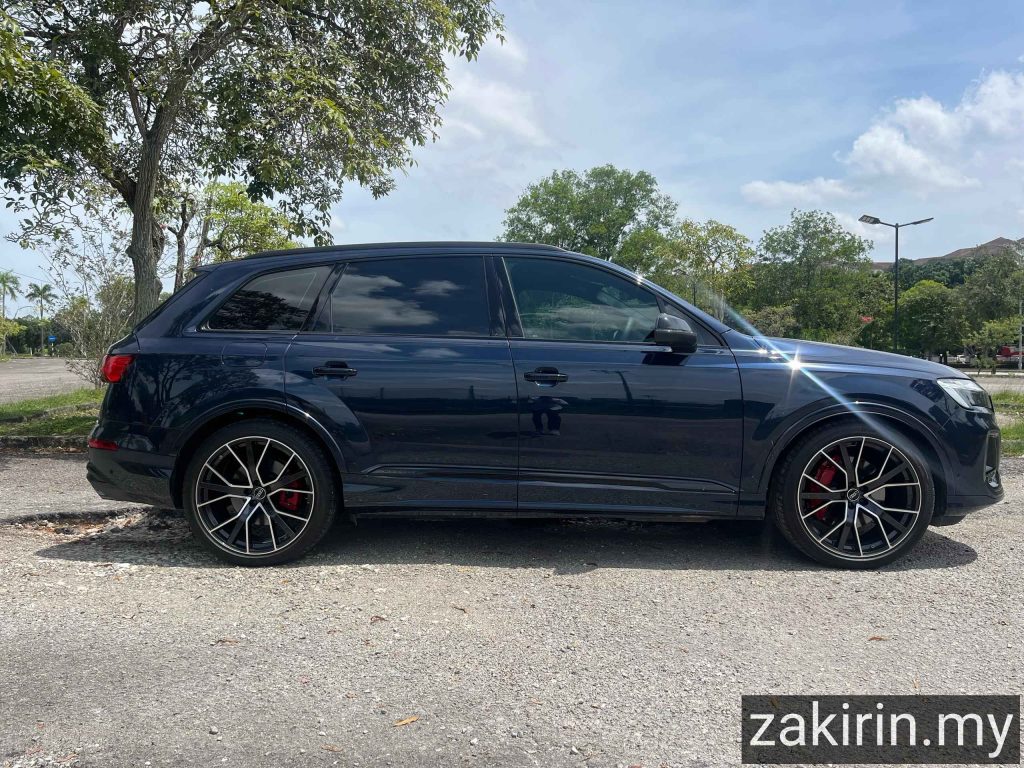
Audi’s renowned quattro all-wheel-drive system ensures confident traction across a variety of conditions—wet roads, sharp bends, or uneven terrain. The ride quality is especially noteworthy: the suspension filters out road imperfections with ease, yet retains enough firmness to avoid feeling floaty. Steering is well-weighted, with a natural, linear response that makes the SUV feel smaller than it actually is.
Interior Comfort and Layout: Elegant, Spacious, But with a Glare Issue
Step inside the Q7 and you’re greeted by a cabin that radiates understated luxury. Materials are top-shelf—soft-touch surfaces, metal accents, finely stitched leather, and a layout that prioritizes both driver and passenger comfort. Seating is generous in all three rows, with ample headroom and legroom, even for adults in the second row. The third row, while tighter, is usable for shorter journeys or children.
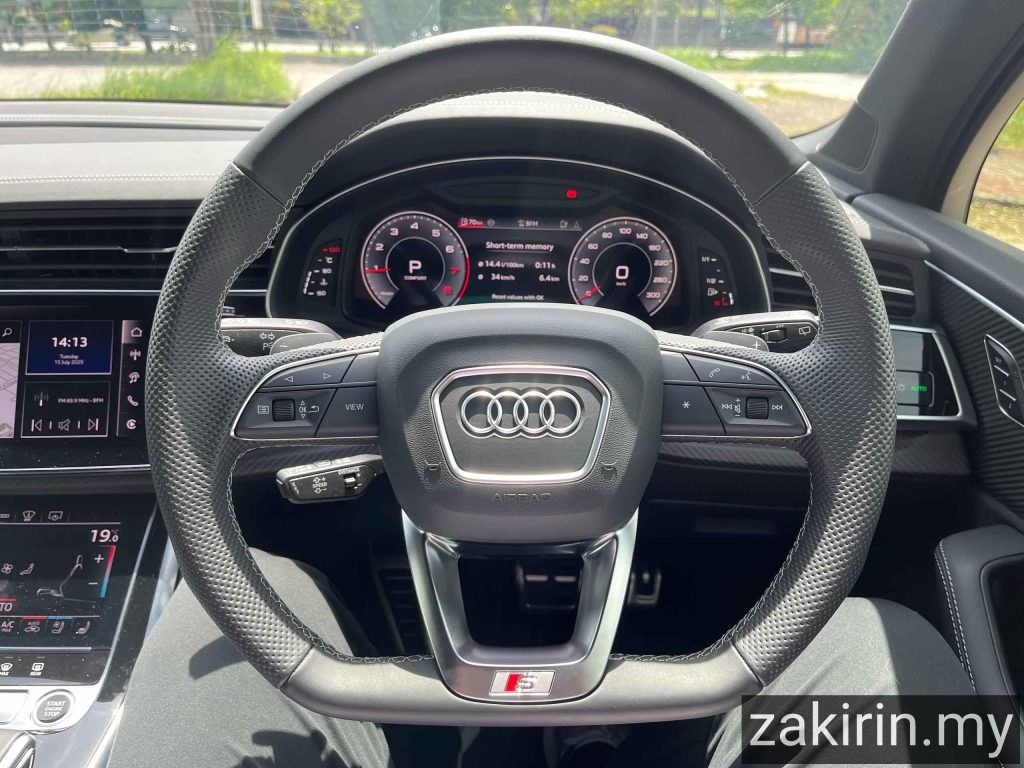
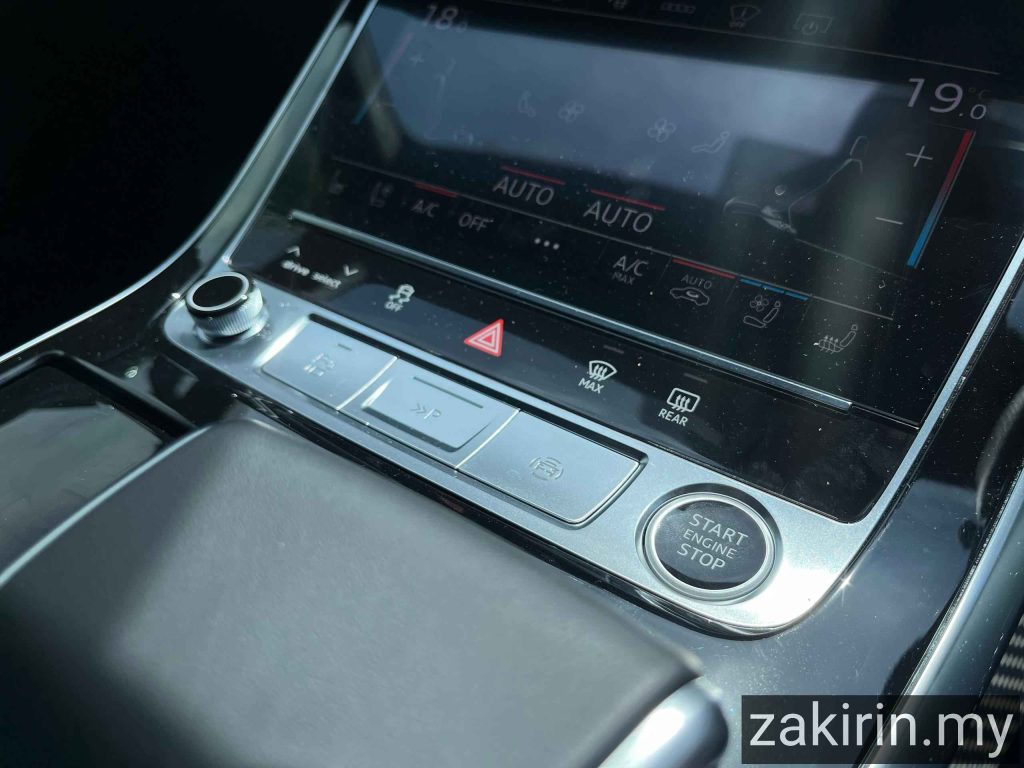
However, one design choice stands out—for the wrong reason. The center console is finished in piano black gloss, which looks elegant at first glance, but quickly becomes a nuisance during sunny daytime drives. The surface reflects direct sunlight toward the driver, often resulting in distracting glare. Over time, this isn’t just an annoyance—it can become a genuine visibility issue. While it may win showroom style points, it misses on day-to-day practicality.
Safety Systems: Mostly Smart, But Needs Refinement
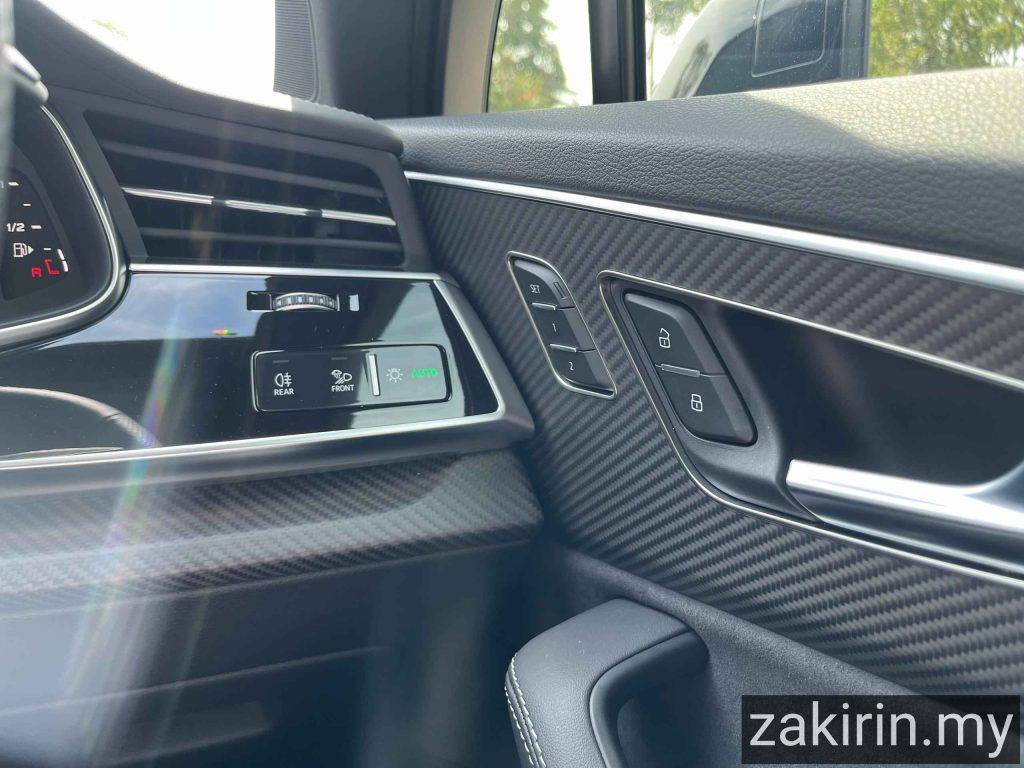
Audi packs the Q7 with a full suite of driver assistance features, including adaptive cruise control, lane departure warning, blind-spot monitoring, and forward collision warning. One particular strength is the blind-spot alert system. Instead of small, hard-to-see icons, Audi’s system features blinking lights on the side mirrors, making alerts more noticeable and intuitive during lane changes. It’s a clever, thoughtful feature that boosts real-world safety.
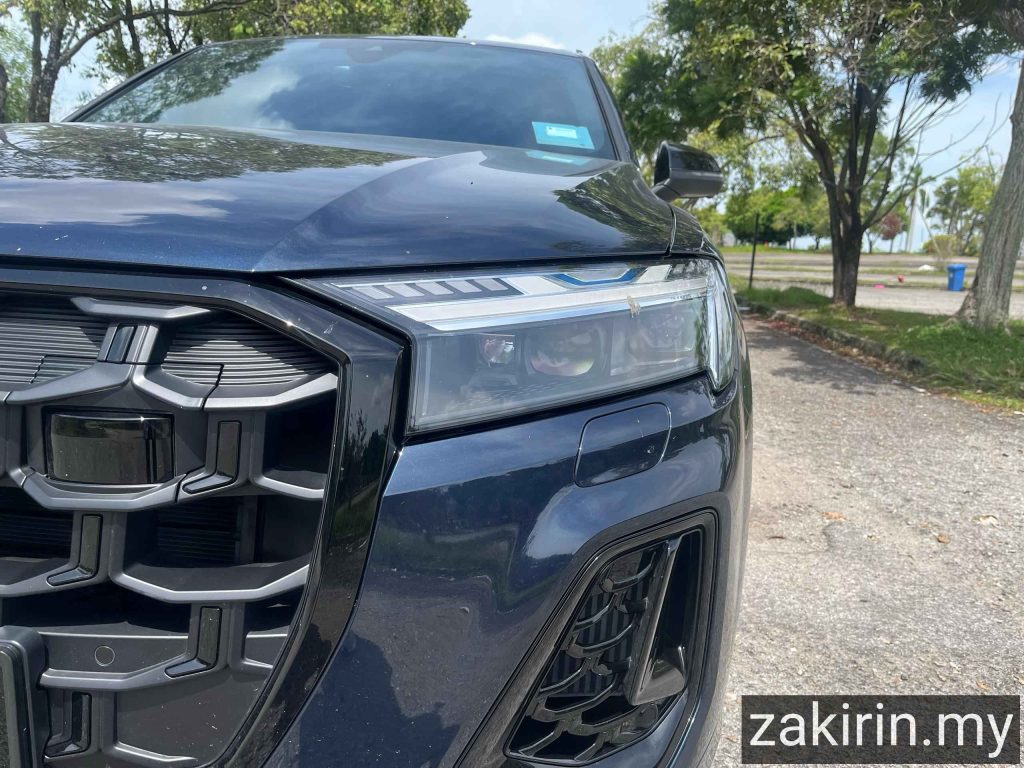
On the downside, the pre-collision warning system could use more calibration. In practice, it sometimes sounds the alarm in low-risk situations—such as approaching a slow-moving car in traffic, even when you’re already braking gently. These occasional false positives reduce driver trust in the system, and the alerts feel abrupt rather than anticipatory. Compared to some of its rivals like Volvo’s Pilot Assist or Mercedes-Benz’s Driver Assistance Suite, Audi’s system lacks a bit of finesse.
Infotainment and Tech: Modern, Comprehensive, but a Learning Curve
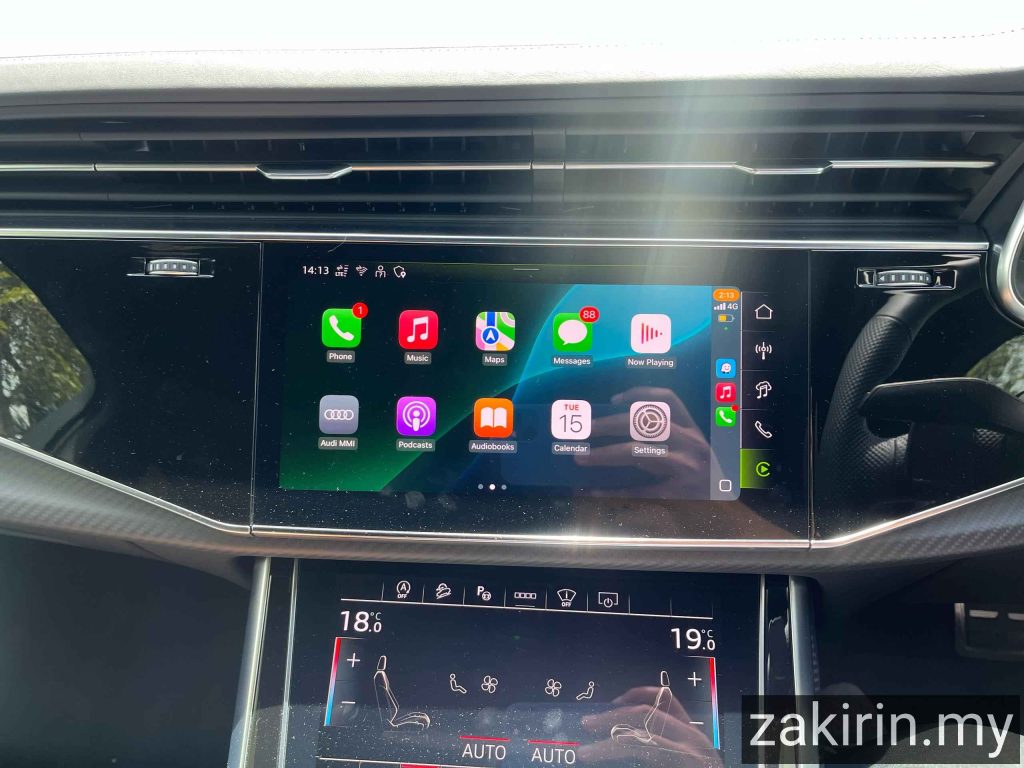
The dual-screen MMI touch response system dominates the center stack. The upper screen handles navigation, media, and smartphone integration (both Apple CarPlay and Android Auto), while the lower one controls climate settings and other functions. The display is crisp and responsive, with tactile haptic feedback when pressed. It looks futuristic, but it takes some getting used to—especially when adjusting settings while driving.
Voice control is functional but not as intuitive as competitors’ newer systems. The available Bang & Olufsen sound system, on the other hand, is superb—crystal clear and immersive.
On-Road Maturity, Off-Road Capability, and Fuel Consumption
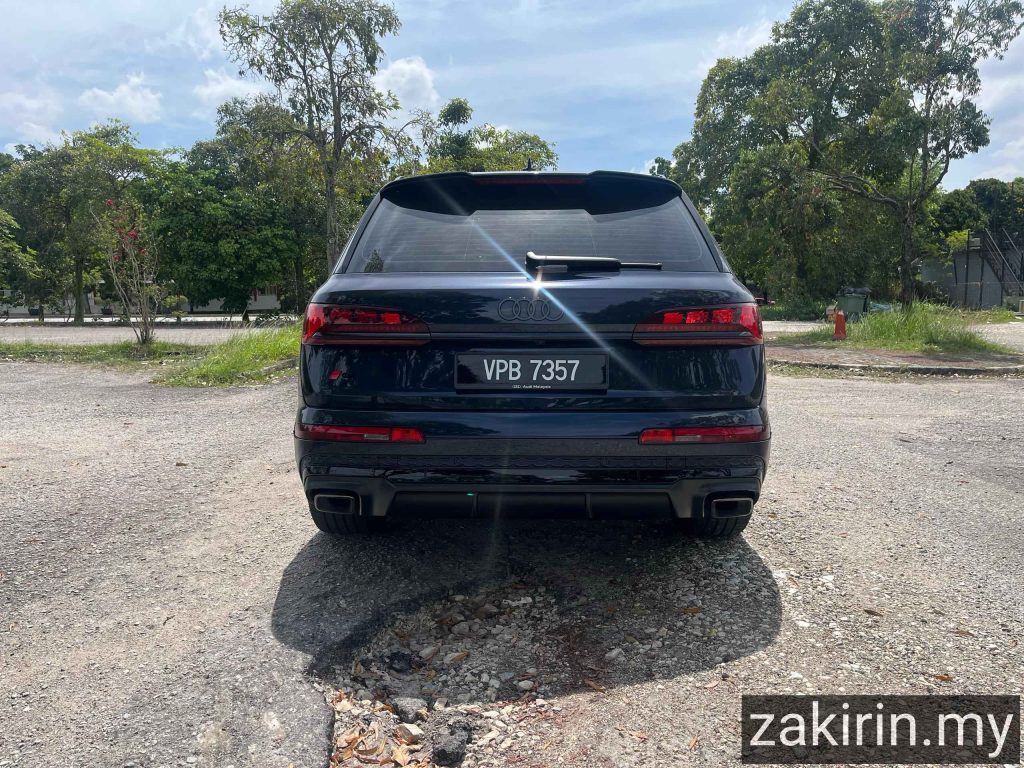
While the Q7 isn’t marketed as a hardcore off-roader, its intelligent all-wheel drive and ride height adjustment make it surprisingly capable on gravel roads or muddy paths. It retains composure without sacrificing comfort. However, as a non-hybrid petrol SUV, fuel economy is average. It won’t match plug-in rivals in efficiency, but for those who prefer engine response over battery assistance, it’s a worthy trade-off.
Final Verdict: Premium Practicality, Just Needs Polish
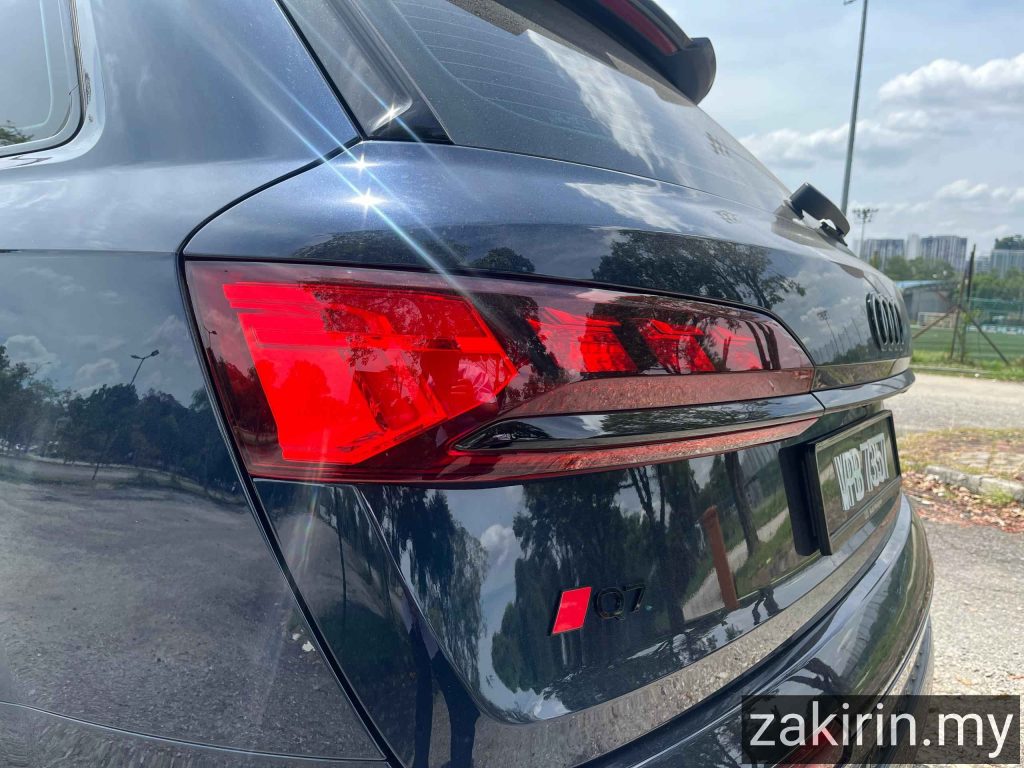
The 2025 Audi Q7 (non-hybrid) checks nearly all the boxes: space, comfort, performance, luxury, and advanced safety. It’s an SUV that feels tailor-made for long-distance travel, family errands, or executive transport. The blinking blind-spot warning is a highlight, giving it an edge in real-world safety.
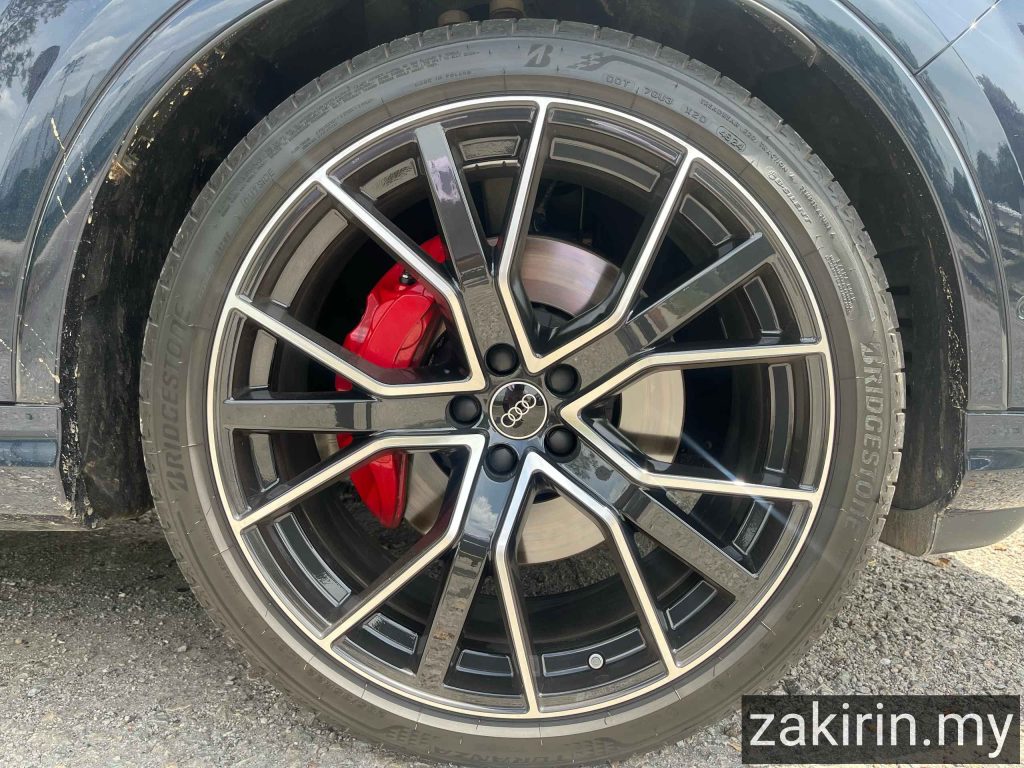
However, small missteps like the sun-reflecting black piano trim and a slightly over-sensitive collision alert system stop it from being flawless. These aren’t deal-breakers, but they’re noticeable in daily use and could be improved in future updates.
For buyers seeking a sophisticated, non-electrified luxury SUV that delivers substance over gimmicks, the Q7 remains a strong, classy option—just bring a pair of sunglasses.

 Zakirin