 Akmal Azhar
Before the 840-hp drag-strip monster took the world by storm, Dodge quietly introduced the “Demon” nameplate in a very different form—a lightweight roadster concept in 2007. This early version bore no resemblance to the supercharged muscle car that followed a decade later, instead showcasing a minimalist sports car ethos.
2007 Geneva Debut with a Modest Four-Cylinder
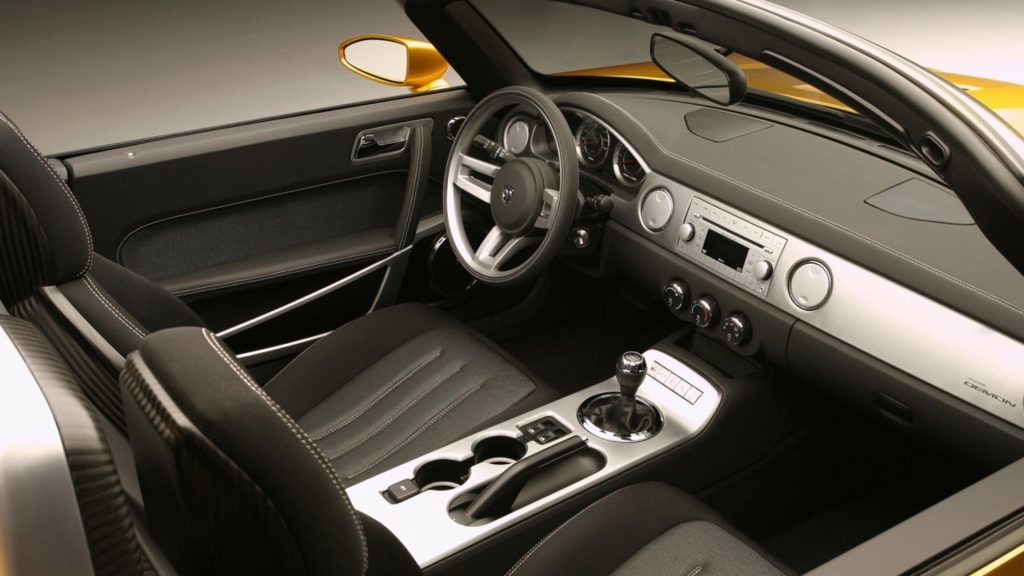
The Demon concept was unveiled at the 2007 Geneva Motor Show under DaimlerChrysler. Instead of a thunderous V8, it featured a 2.4-liter GEMA “World Engine” producing just 172 hp and 165 lb-ft of torque. Far from being a straight-line rocket, it was designed as a direct competitor to the Mazda MX‑5, Saturn Sky, and Pontiac Solstice, with a focus on affordability and agile performance.
Aimed as a Budget Roadster Alternative to the Viper
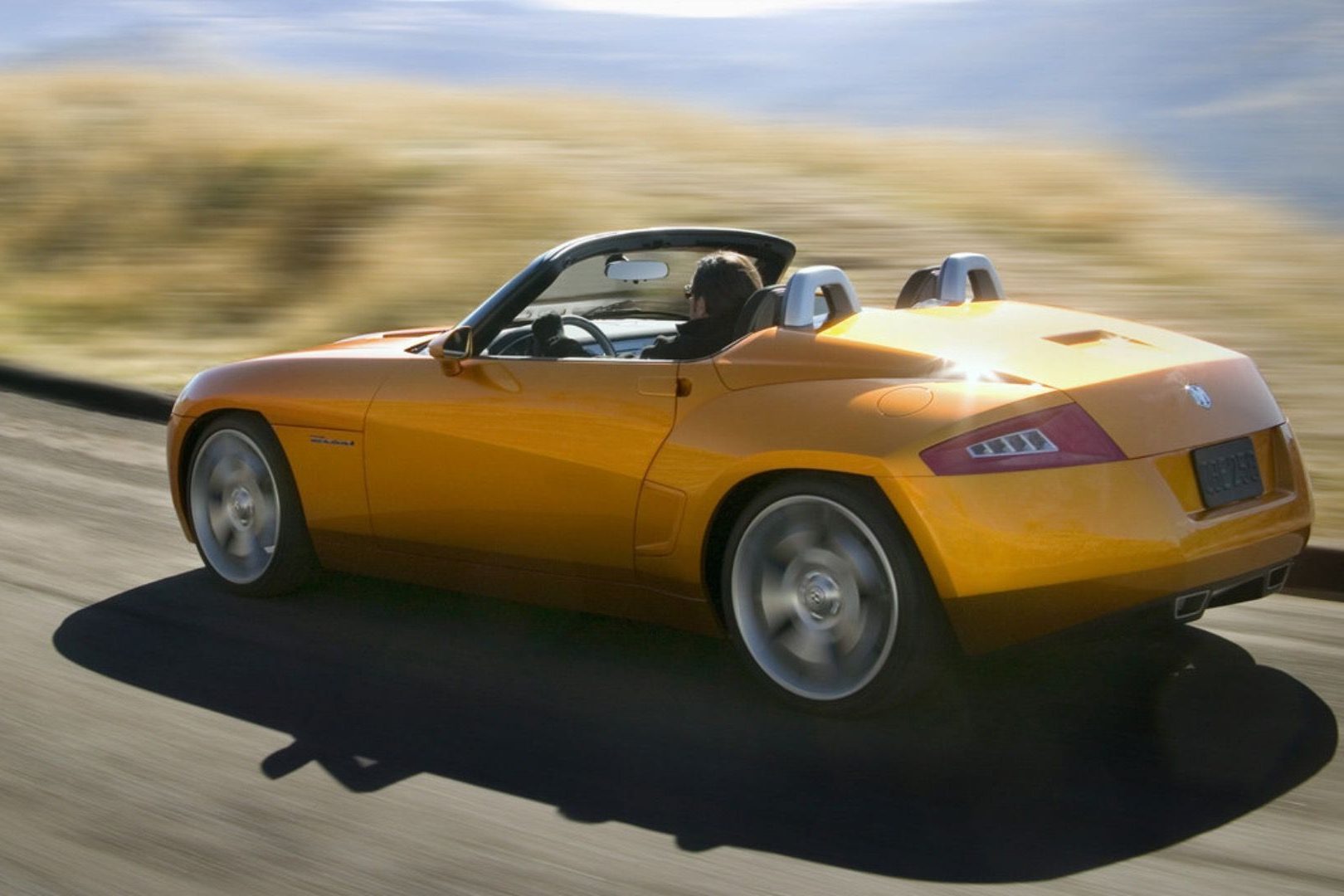
While the Viper represented Dodge’s halo car, the Demon concept targeted entry-level enthusiasts who wanted open-top fun without the Viper’s unrelenting aggression. The chassis was designed with cost-effective construction in mind, increasing the possibility of mass production. Unfortunately, it never made it to dealerships.
From Concept Cruiser to Drag Legend
Ten years later, Dodge resurrected the Demon name for something entirely different: the 2018 Challenger SRT Demon, a street-legal drag car boasting up to 840 horsepower. With its track-focused tech, transbrake system, and factory-fitted drag radials, this version rewrote the muscle car rulebook—and overshadowed its early namesake.
A Forgotten Chapter in Dodge’s Performance History
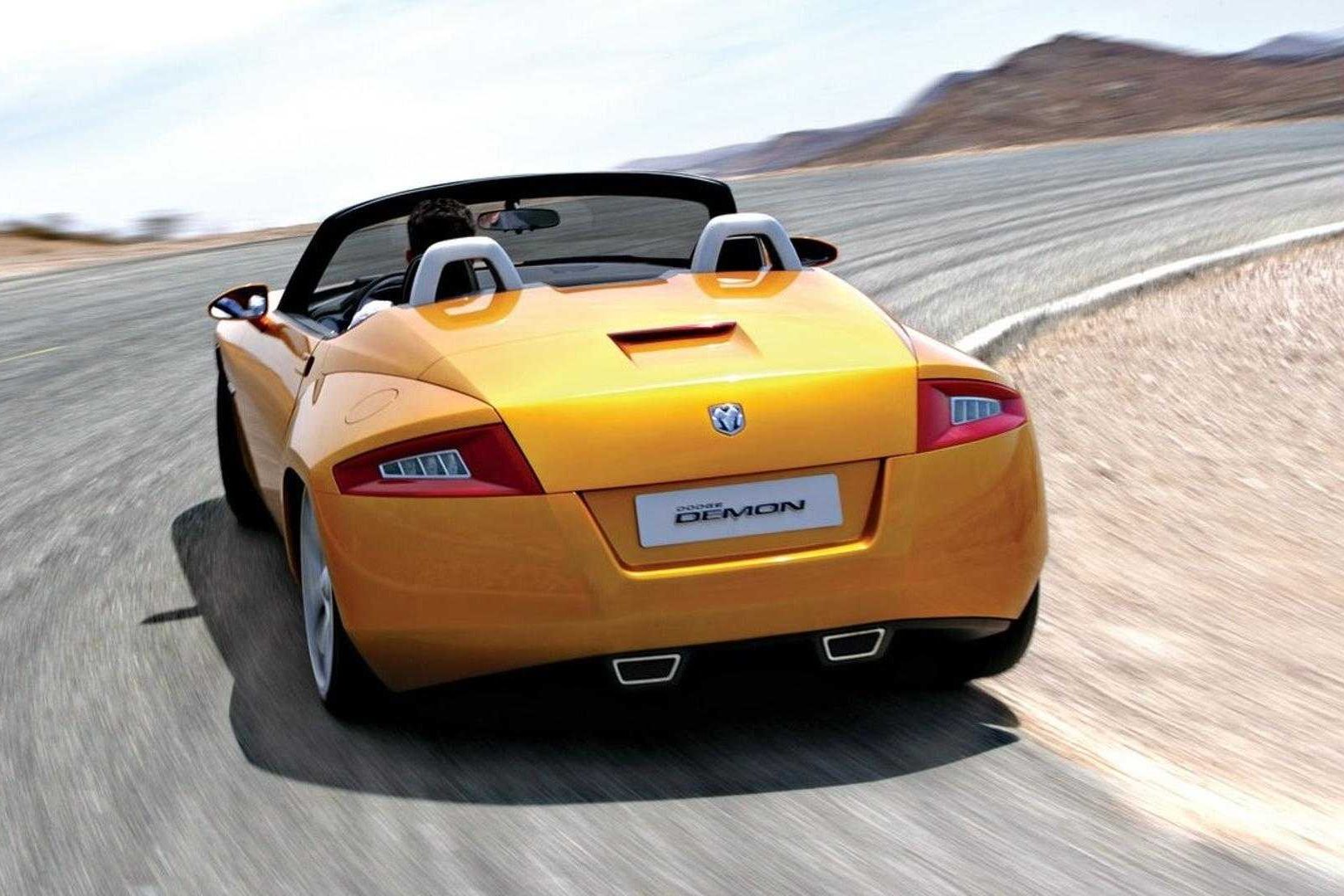
Though the 2007 Demon never progressed beyond the concept stage, it marked the beginning of a modern revival for the name. It revealed Dodge’s interest in using the “Demon” branding for performance-focused vehicles, even those with small engines. While the roadster may have faded from memory, it set the stage for what the Demon name would ultimately come to represent.

 Zakirin