 Akmal Azhar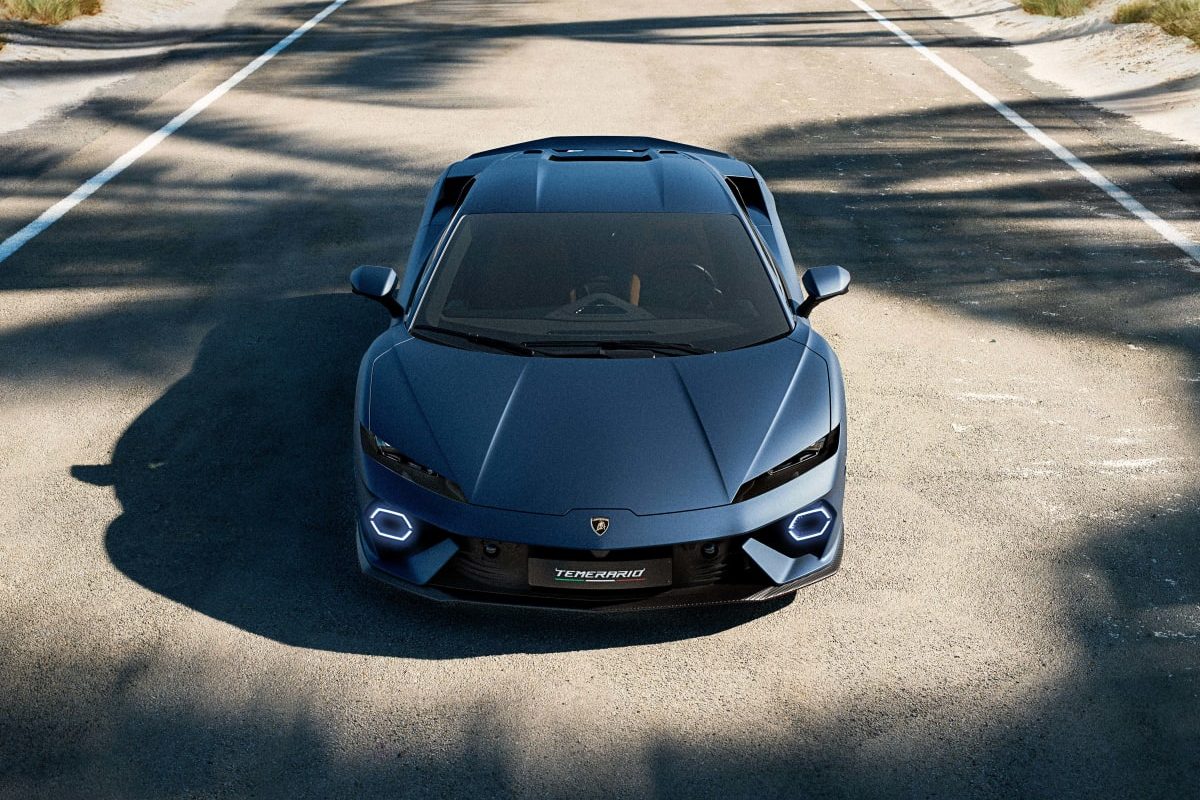
Lamborghini is making a bold commitment to preserving its internal combustion engine legacy by investing in synthetic fuels. With looming EU regulations set to ban CO₂-emitting vehicles by 2035, the Italian supercar maker sees synthetic fuel—also called e-fuel—as a crucial lifeline for performance cars that thrive on emotional driving experiences. This move is more than regulatory—it’s philosophical, aiming to keep the spirit of high-revving engines alive.
New Twin-Turbo V8 Designed for the Future

At the center of this strategy is Lamborghini’s new twin-turbocharged 4.0-liter V8 engine, developed to power the upcoming Temerario. This next-generation engine is engineered to work seamlessly with both conventional fuel and carbon-neutral synthetic fuel. Lamborghini’s Chief Technical Officer, Rouven Mohr, emphasized that this flexibility allows the brand to prepare for future fuel alternatives without compromising on power or driving thrill.
Preserving Emotion in Driving

Mohr argues that while electric vehicles are part of the future, they lack the visceral emotion offered by combustion engines. He suggests synthetic fuel could be “the savior of the combustion engine,” preserving the sensations that define Lamborghini—engine sound, throttle response, and high-revving performance. He even envisions future generations viewing ICE-powered cars as cool, nostalgic relics of the past that offer a sensory experience unmatched by EVs.
Extending the Life of Classic Lamborghinis
Lamborghini also sees synthetic fuel as a practical way to support its large legacy fleet. Unlike many automakers, most of Lamborghini’s cars from the last six decades are still on the road. Synthetic fuel offers a way to keep these classics running legally and sustainably after 2035, ensuring the brand’s heritage isn’t cut off by legislation.
Part of a Wider Industry Movement
The Italian marque is not alone in this pursuit. Other luxury and performance brands such as Porsche, Bentley, Bugatti, and Ferrari are also exploring synthetic fuels. Porsche, in particular, has already begun producing e-fuels in Chile using renewable energy and captured carbon dioxide. This growing interest suggests that high-end car buyers are open to sustainable alternatives that retain driving character.
Cost and Scalability Challenges
Despite the promise, synthetic fuels face steep hurdles. The current cost of production is extremely high, and widespread availability is still years away. Scaling up synthetic fuel infrastructure will require massive investment and alignment across the automotive and energy sectors. If electric vehicle adoption continues to dominate, funding for synthetic fuel development could dwindle, leaving it as a niche option.
Balancing Electrification with Tradition

While Lamborghini is actively hybridizing its lineup, the company is not rushing into full electrification. Its first all-electric vehicle isn’t expected until around 2029. Until then, plug-in hybrids and synthetic-fuel-compatible engines will form the bridge between tradition and transition. However, if synthetic fuels fail to scale, Lamborghini will be ready to pivot fully to EVs in the early 2030s.


 Yusri Ng