 Akmal Azhar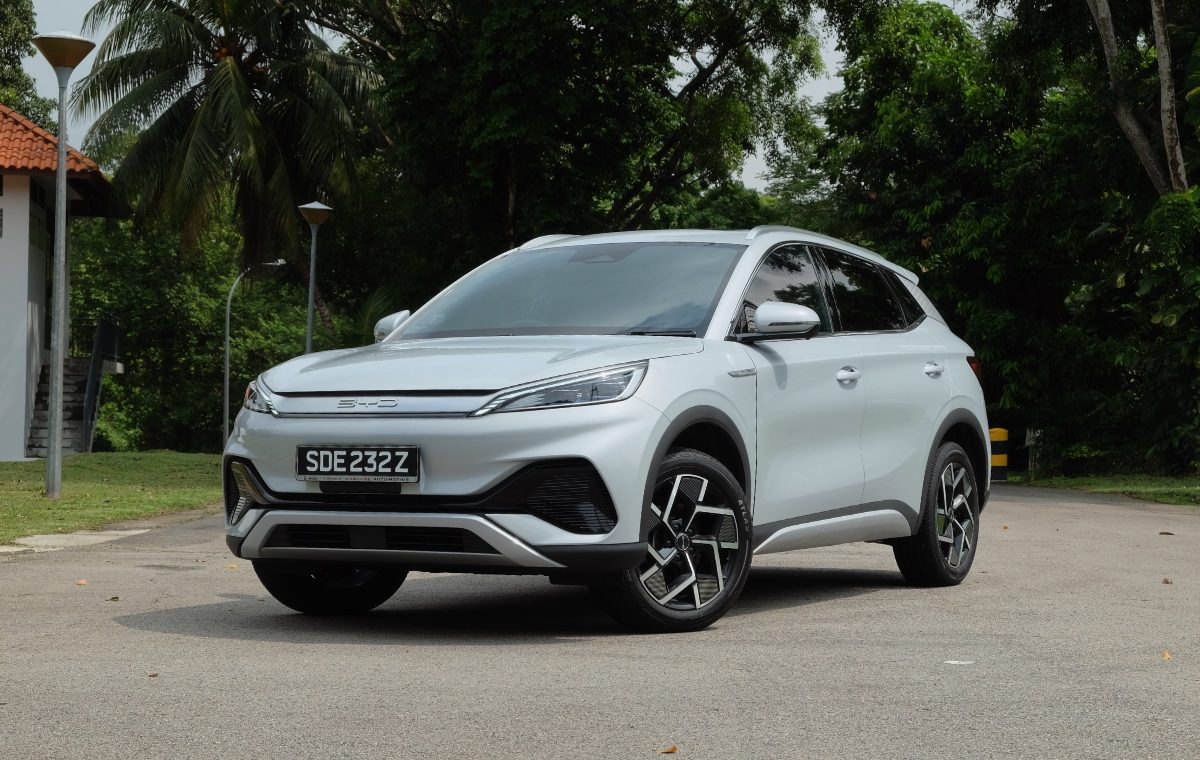
China’s BYD, Tsingshan Scrap Plans for Chile Lithium Plants Amid Market Slump
Antofagasta, Chile – May 8, 2025 — Two major Chinese companies, BYD and Tsingshan Holding Group, have abandoned their planned investments in Chile’s lithium sector, marking a significant blow to the South American nation’s ambitions to become a global hub for value-added lithium production.
A Promising Start Cut Short
The projects, announced in 2022 and 2023, were meant to support Chile’s national lithium strategy by encouraging the local production of lithium-based battery materials. Under the government’s initiative, foreign investors were granted access to discounted lithium prices from Chilean producers in exchange for setting up processing plants within the country.
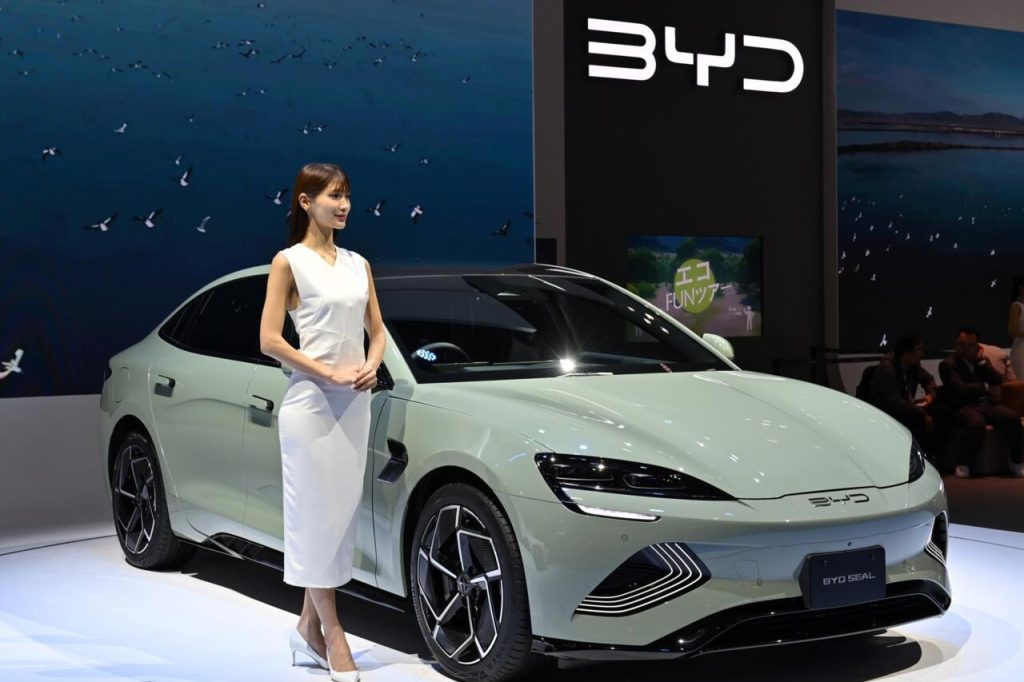
BYD, one of the world’s largest electric vehicle and battery manufacturers, had committed approximately $290 million to build a lithium iron phosphate (LFP) cathode plant in Antofagasta. The plant was expected to produce 50,000 metric tons annually. Tsingshan, a leading Chinese stainless steel and battery materials company, planned an even larger $233 million facility through its affiliate, Yongqing Technology, with an output capacity of 120,000 metric tons of LFP annually.
Economic Pressures and Regulatory Hurdles
However, a sharp global downturn in lithium prices severely undercut the financial feasibility of these ventures. In 2022, lithium carbonate prices reached record highs above 600,000 yuan per ton. Since then, the price has crashed to around 65,300 yuan per ton by mid-2024—almost a 90% drop—eroding profit margins for new processing projects.
For Tsingshan, the challenges went beyond market conditions. The company failed to meet regulatory requirements in Chile, notably the creation of a local project entity within the stipulated deadline. This procedural lapse prompted the authorities to revoke its eligibility for preferential pricing and ultimately led to the project’s cancellation.
Impact on Chile’s Industrial Lithium Vision
Chile, home to the world’s second-largest lithium reserves, has been aggressively promoting domestic processing to move beyond raw mineral exports. The withdrawal of two prominent players not only delays this transition but also underscores the fragile balance between market forces and policy ambitions.
“The exit of BYD and Tsingshan is disappointing, especially as we were banking on these projects to create high-tech jobs, transfer knowledge, and position Chile higher up the lithium value chain,” said a Chilean government source who requested anonymity.
The government may now have to reevaluate its investment strategy, possibly providing additional incentives or revisiting its regulatory framework to avoid deterring future investors amid uncertain market conditions.
A Warning for Global Lithium Investors
The cancellations send a warning signal to other lithium-rich nations and potential investors. The lithium industry—despite being crucial for the energy transition and electric vehicle boom—is not immune to cyclical downturns and global oversupply.
Moreover, geopolitical factors, evolving environmental regulations, and growing scrutiny over foreign influence in strategic industries further complicate the investment landscape.
Industry analysts suggest that while demand for lithium is expected to grow in the long term, short-term volatility and misalignment between government policies and market dynamics could stifle investment just when it’s needed most.

 Zakirin