
 Akmal Azhar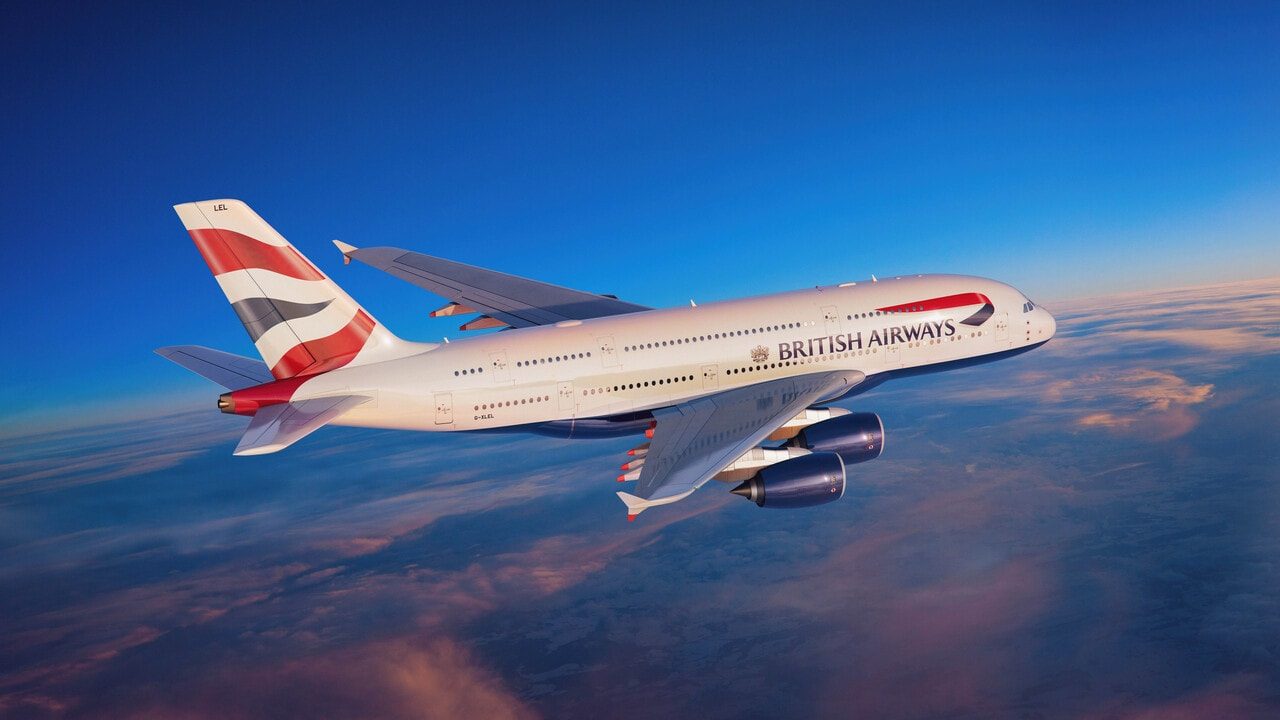
KUALA LUMPUR, 3 April 2025
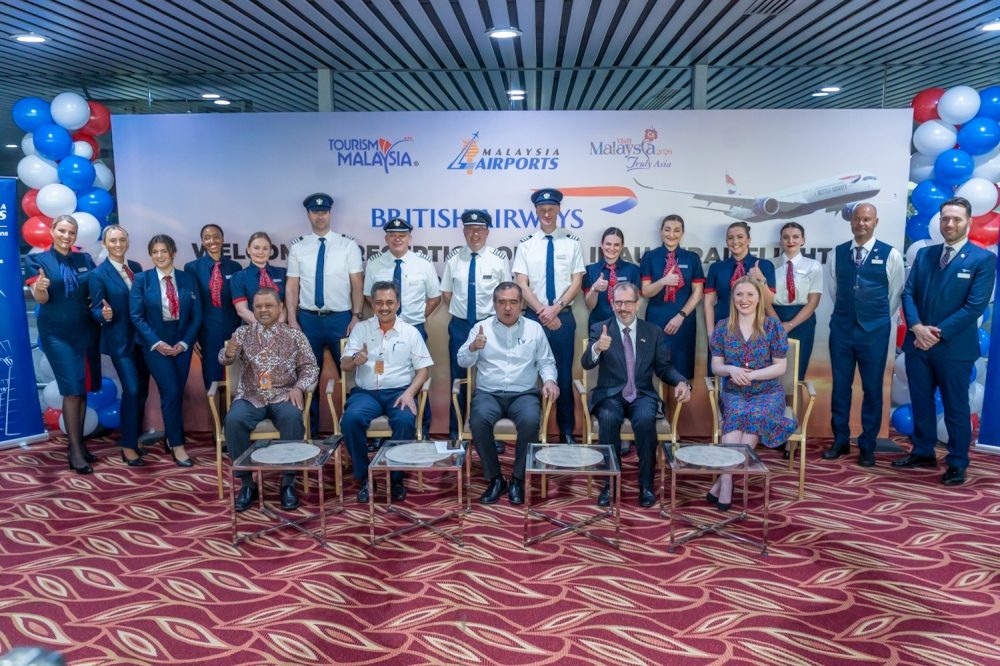
British Airways (BA) has resumed daily flights between London Heathrow and Kuala Lumpur, marking its return to Malaysia after a near four-year absence. The relaunch restores a critical link between the capitals, severed in 2022 amid pandemic-era cuts and competitive pressures from Middle Eastern carriers.
Flight Details and Strategic Revival
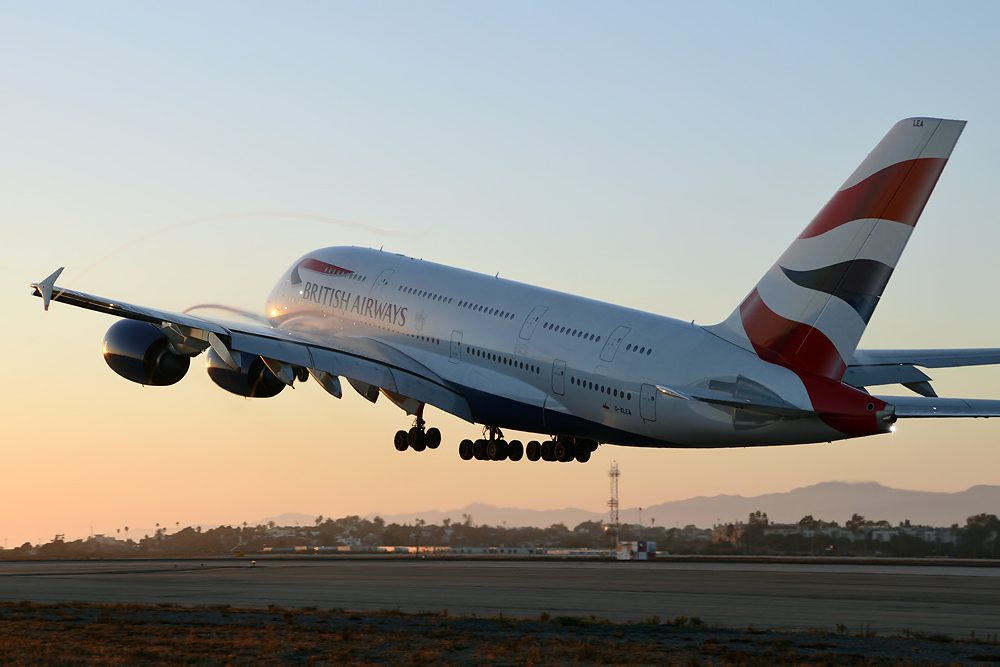
Operating Boeing 787-9 Dreamliners, BA’s revamped service offers 216 seats per flight, including 35 Club Suites with direct aisle access—a premium push to lure business travelers. Flights depart London at 9:45 PM, landing in Kuala Lumpur at 5:15 PM local time, with return trips leaving Malaysia at 10:55 PM. Introductory round-trip fares start at RM3,499 (economy) and RM15,999 (business class), undercutting Malaysia Airlines’ nonstop rates by 12%.
“Malaysia’s economic resurgence and booming tourism made this relaunch inevitable,” said BA CEO Sean Doyle, citing a 40% spike in Southeast Asia bookings since 2024. The move aligns with Malaysia’s target to welcome 26 million tourists in 2025, leveraging BA’s global network to funnel European travelers to destinations like Langkawi and Penang.
Industry Context and Challenges
BA’s return signals confidence in Malaysia’s post-pandemic recovery but underscores fierce competition. Rivals like Emirates and Qatar Airways dominate Southeast Asia via Dubai and Doha hubs, while low-cost carrier AirAsia X offers budget long-haul flights. Analysts note BA’s success hinges on premium service differentiation and partnerships with Malaysia’s tourism board to package flights with curated itineraries.
However, risks linger. Aviation fuel costs remain volatile, and pilot shortages have forced BA to reroute crew from less profitable African routes. Malaysian Aviation Commission (MAVCOM) chairman Datuk Seri Saripuddin Kasim warned, “Sustaining daily flights requires consistent demand—the honeymoon phase won’t last without local business buy-in.”
Economic Ripple Effects
The route revival is a win for Malaysia’s aviation ecosystem. Malaysia Airports Holdings Berhad (MAHB) expects a 7% boost in passenger traffic at KLIA, while hospitality chains like YTL Hotels and The Ritz-Carlton anticipate stronger European arrivals. Cargo operations also stand to gain: BA will allocate 30% of belly space to export Malaysian palm oil, electronics, and medical supplies to Europe.
A Test of Loyalty
For now, the relaunch stirs optimism. “This isn’t just about reconnecting cities—it’s about rebuilding trust,” said travel analyst Grace Nathan. BA’s four-year exit left a loyalty vacuum, but its return with upgraded cabins and aggressive pricing suggests a calculated bet that Malaysians will trade nostalgia for value. Time will tell if the skies stay friendly.
Why This Matters:
- BA’s return intensifies competition on the Europe-Southeast Asia corridor, potentially driving down fares.
- Malaysia’s tourism and export sectors gain a strategic ally in global connectivity.
- The relaunch tests whether legacy carriers can reclaim relevance in a reshaped aviation landscape.


 Zakirin