
 Akmal Azhar
KUALA LUMPUR, April 2025
Malaysia will pilot a revolutionary Point-to-Point (P2P) speed enforcement system starting June 2025, replacing traditional speed traps with an average speed calculation method designed to promote consistent, safer driving habits.
How the New System Works
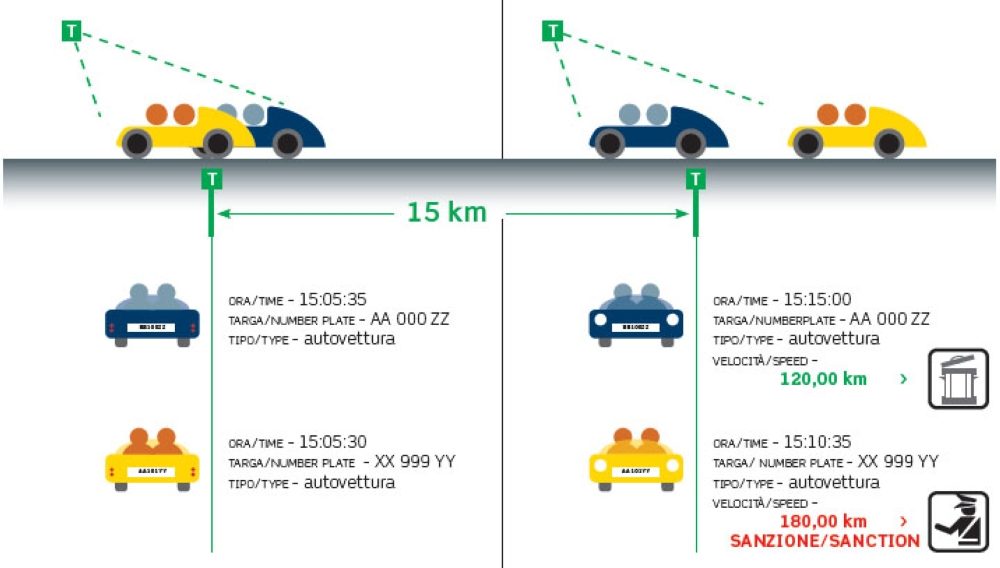
- Cameras at Entry/Exit Points: Vehicles are logged at two checkpoints along high-risk highways (e.g., PLUS North-South Expressway).
- Average Speed Calculation: The system divides the distance between points by travel time to determine if drivers exceeded limits.
- No More “Brake-and-Speed” Games: Unlike single-point traps, P2P discourages sudden braking before cameras.
Pilot Phase Details
- Locations: Initial testing on PLUS Expressway (Sungai Buloh–Jelapang) and East Coast Expressway (Karak–Kuantan).
- Speed Limits: Maintains current thresholds (e.g., 110 km/h on highways).
- Grace Period: First 3 months will issue warnings; fines begin September 2025.
Why the Change?
- Safety Focus: P2P reduces speed-related crashes by 37% in countries like the UK and Australia.
- Fairer Enforcement: Catches habitual speeders rather than momentary lapses.
- AI Integration: Future plans link to MyJPJ app for real-time driver alerts.
Public Reaction
While safety advocates applaud the move, some drivers criticize the system as “Big Brother-ish.” “I prefer old speed traps—at least you knew where they were,” said KL commuter Ahmad Faris. Authorities stress that no personal data is stored beyond travel times.
Pro Tip: Use Waze or Google Maps during the pilot—both will integrate P2P zone alerts by July.
Will this end Malaysia’s speeding culture? The roads will tell.
Why This Matters:
- P2P systems cut fatal crashes by 1/3 in the EU.
- Malaysia joins Singapore & Thailand in adopting average-speed tech.
- Future expansion could include variable limits based on traffic/weather.


 Zakirin