 Akmal Azhar
The automotive world is filled with acronyms, but few carry as much weight and history as GTD. For Ford Mustang enthusiasts, GTD isn’t just a random combination of letters—it’s a badge of honor, a symbol of performance, and a nod to racing heritage.
Recently, Ford unveiled the Mustang GTD, a high-performance variant designed to dominate both the road and the track. But what does GTD actually mean, and why is it so significant? Let’s dive into the origins, evolution, and future of this iconic acronym.
The Origins of GTD: Grand Touring Daytona
The acronym GTD stands for Grand Touring Daytona, a name deeply rooted in motorsport history. The term “Grand Touring” (GT) has long been associated with high-performance cars designed for both speed and comfort, capable of covering long distances with ease.
The addition of “Daytona” pays homage to one of the most legendary race tracks in the world: the Daytona International Speedway in Florida.
Daytona has been a cornerstone of American motorsport since the 1950s, hosting iconic events like the Rolex 24 at Daytona and the Daytona 500. Ford’s connection to Daytona dates back to the 1960s, when the Ford GT40 dominated the track, securing a historic 1-2-3 finish at the 1966 24 Hours of Daytona. This victory cemented Ford’s reputation as a force to be reckoned with in endurance racing. The GTD badge, therefore, is a tribute to this legacy, blending the spirit of Grand Touring with the adrenaline of Daytona.
The Mustang GTD: A Modern Interpretation
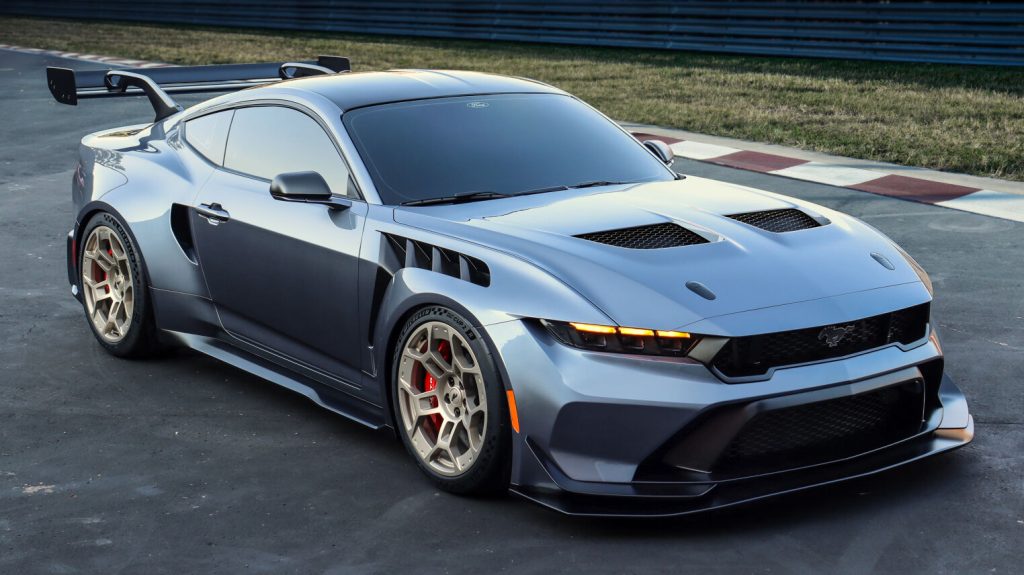
The Ford Mustang GTD is more than just a car—it’s a statement. Unveiled as a road-legal version of the Mustang GT3 race car, the GTD is designed to bridge the gap between street-legal performance vehicles and full-blown racing machines. With a projected price tag of around $300,000, it’s one of the most ambitious Mustangs ever produced.
At its core, the Mustang GTD is powered by a supercharged 5.2-liter V8 engine, producing over 800 horsepower. This powerhouse is paired with an 8-speed dual-clutch transmission, ensuring lightning-fast gear shifts and optimal performance.
But the GTD isn’t just about raw power; it’s about precision. The car features a rear-mounted transaxle for improved weight distribution, adaptive suspension with adjustable ride height, and carbon-ceramic brakes for unparalleled stopping power.
The exterior design is equally striking, with aerodynamic enhancements like a massive rear wing, vented hood, and widebody stance. Every element of the GTD is engineered to maximize downforce and minimize drag, making it as functional as it is visually stunning. Inside, the cabin combines luxury with racing-inspired elements, featuring premium materials, customizable displays, and ergonomic seating designed for both comfort and performance.
The Racing Connection: From GT3 to GTD
The Mustang GTD’s DNA is deeply intertwined with motorsport. It’s based on the Mustang GT3, a race car designed to compete in the GT3 class of endurance racing. GT3 cars are known for their balance of performance and accessibility, allowing privateer teams to compete against factory-backed squads. By bringing GT3 technology to a road-legal vehicle, Ford is pushing the boundaries of what a production car can achieve.
The GTD’s development involved extensive testing on both the track and the road. Engineers worked tirelessly to ensure that the car could deliver race-level performance without compromising drivability. This dual-purpose approach is what sets the GTD apart from other high-performance vehicles. It’s not just a track toy or a luxury cruiser—it’s a true Grand Tourer in every sense of the word.
Why the GTD Matters: A New Era for Mustang
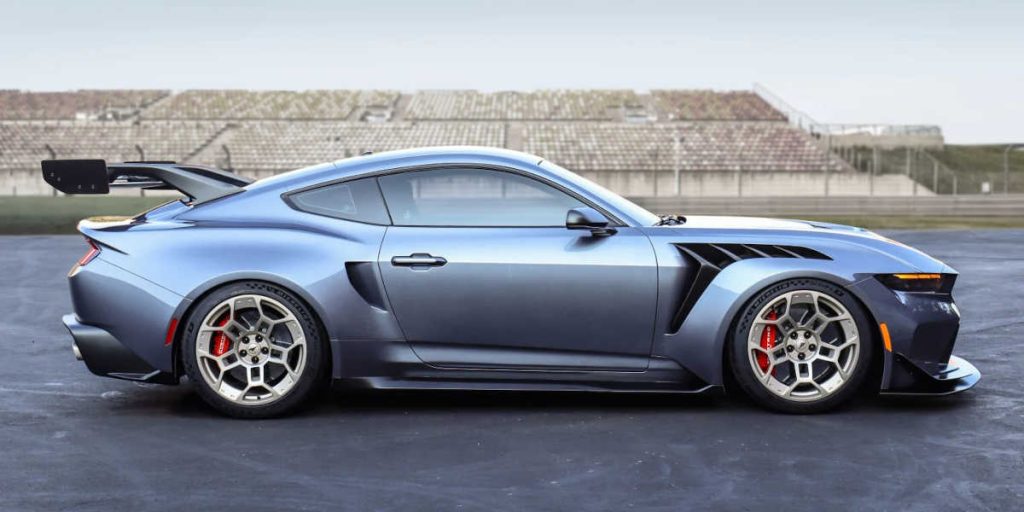
The introduction of the Mustang GTD marks a significant milestone for Ford. It’s a bold declaration that the Mustang brand is evolving, embracing new technologies and pushing the limits of performance. The GTD isn’t just a car; it’s a symbol of Ford’s commitment to innovation and excellence.
For enthusiasts, the GTD represents the ultimate expression of the Mustang’s potential. It’s a car that can hold its own against European supercars like the Porsche 911 GT3 RS and the Mercedes-AMG GT, while staying true to its American roots. The GTD also serves as a halo model for the Mustang lineup, showcasing what’s possible when Ford’s engineers and designers are given free rein to create something extraordinary.
The Future of GTD: Beyond the Mustang

While the Mustang GTD is currently the flagship of the GTD lineup, there’s speculation that Ford could expand the badge to other models. Imagine a Ford GT GTD or an F-150 GTD, each tailored to deliver unparalleled performance in its respective category. The possibilities are endless, and the GTD badge could become a hallmark of Ford’s most ambitious projects.
Moreover, the GTD’s success could influence the broader automotive industry. As manufacturers increasingly focus on electrification and sustainability, the GTD proves that there’s still a place for high-performance, combustion-engine vehicles. It’s a reminder that driving enthusiasts value emotion, heritage, and craftsmanship—qualities that can’t be replicated by electric powertrains alone.
Conclusion: The Legacy Lives On
The Ford Mustang GTD is more than just a car; it’s a celebration of automotive history and a glimpse into the future. By combining the spirit of Grand Touring with the thrill of Daytona, Ford has created a vehicle that transcends categories. Whether you’re a die-hard Mustang fan or a casual observer, the GTD is impossible to ignore.
As the automotive world continues to evolve, the GTD serves as a reminder of what makes driving truly special: the roar of a V8 engine, the thrill of pushing a car to its limits, and the connection between driver and machine. With the Mustang GTD, Ford has not only honored its past but also set the stage for an exciting new chapter in its storied history.


 Zakirin
 Yusri Ng