
 Akmal Azhar
A modern diesel runs on the familiar four-stroke cycle: intake, compression, power, and exhaust. During the intake phase, the piston descends and draws pure air into the cylinder. In the compression stroke, that air is squeezed to such high temperatures that when diesel fuel is injected into this superheated environment, it ignites almost instantaneously, producing the power stroke that propels the engine forward, and ending with the exhaust phase. The key difference with gasoline engines lies in how the air-fuel mixture is ignited. In gasoline engines, spark plugs ignite a pre-mixed fuel-air blend with a precisely timed spark, whereas diesel engines rely solely on heat generated by crunching air, a process known as compression ignition. Spark plugs are neither required nor useful in this context.
The Role of Glow Plugs
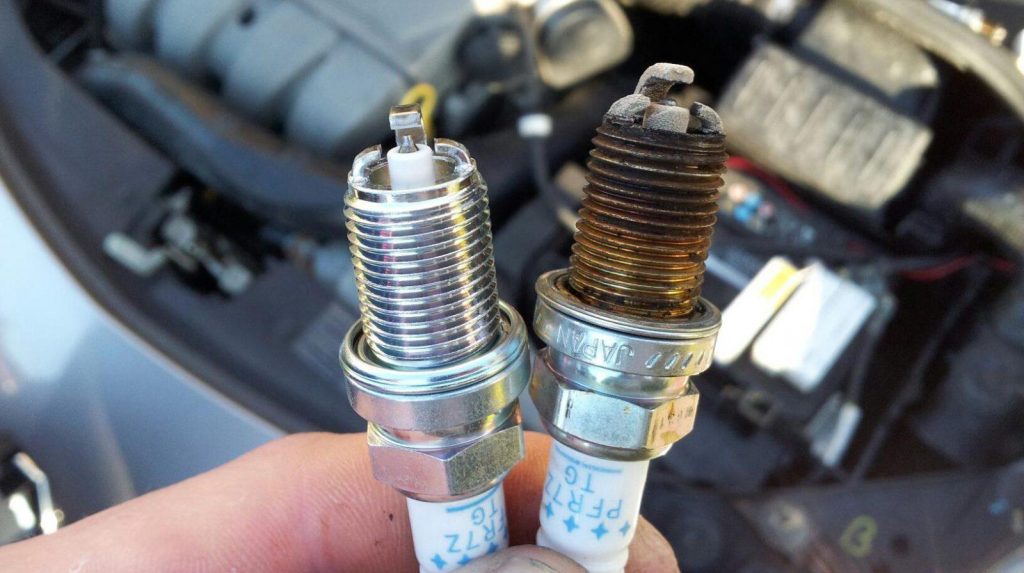
Diesel engines indeed utilize heating elements called glow plugs, but these don’t initiate combustion—they merely assist during cold starts. When temperatures drop, even highly compressed air might not reach the threshold needed to ignite diesel. Glow plugs help by preheating the cylinders, ensuring reliable starts by bringing the air to ignition-ready conditions. Once the engine warms up, these glow plugs typically shut off.
Fuel Properties That Eliminate the Need for Spark Plugs
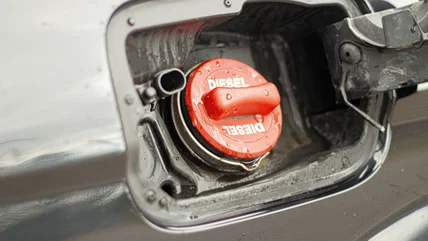
Diesel has a much higher flash point than gasoline—meaning it doesn’t vaporize or ignite easily when exposed to heat or spark—making it far less volatile. Conversely, its auto-ignition temperature is lower, which enables it to catch fire under mere compression alone. This stark contrast in thermal behavior means that even if you attempted to deploy spark plugs in a diesel engine, the spark would have little effect because diesel simply doesn’t ignite via spark the way gasoline does.
Fuel Injection and Combustion Control
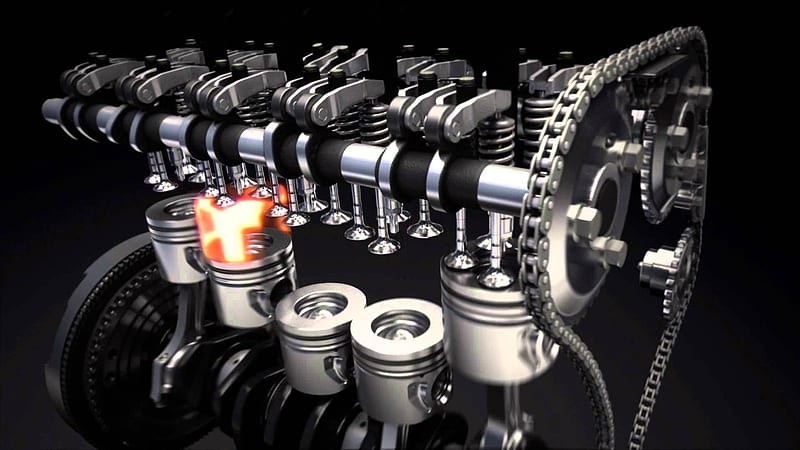
Diesel engines employ high-pressure fuel injectors to atomize fuel directly into hot, compressed air at precisely timed moments. This allows for efficient, controlled combustion without spark plugs. In gasoline engines, where the fuel-air mixture is already homogenized before entering the combustion chamber, a spark plug is crucial to trigger ignition at just the right moment. Without such precise timing, gasoline engines would misfire or misbehave.
Engine Design Differences
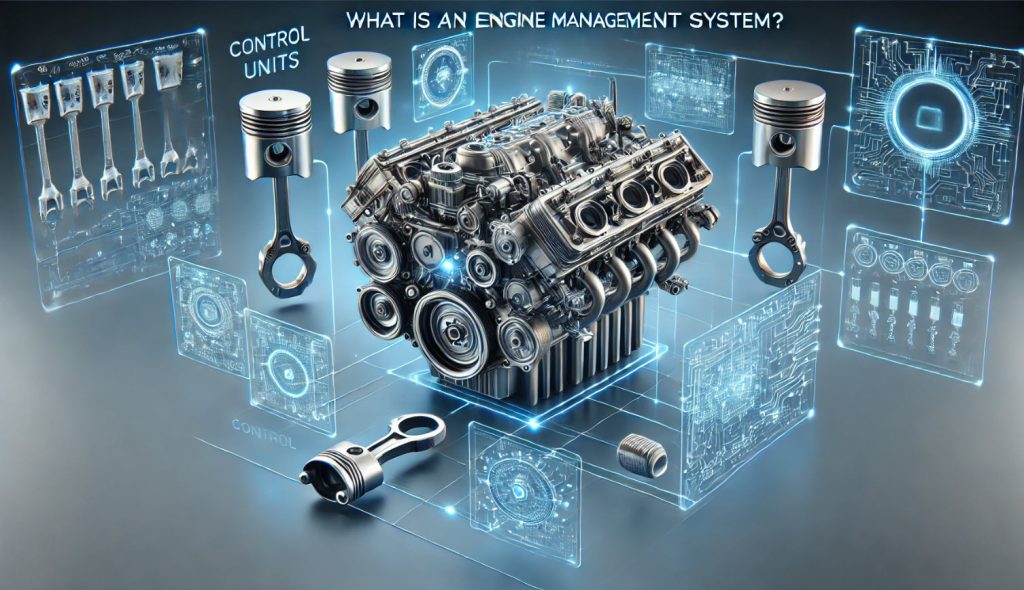
Because diesel combustion relies on compression and atomized fuel, its engine construction also differs significantly. Diesel blocks are often built from heavy materials like cast iron to withstand the intense pressure and thermal stress. This design supports the compression ignition process, which favors durability and torque over spark-plug–based ignition systems.
Conclusion
Diesel engines dispense with spark plugs entirely because their ignition method is fundamentally different. They ignite fuel via the intense heat from compressed air, not from a spark. Glow plugs merely assist in cold conditions, and the fuel and injection system are tailored to support this heat-driven ignition method—making spark plugs unnecessary and ineffective in diesel applications.


 Zakirin