 Akmal Azhar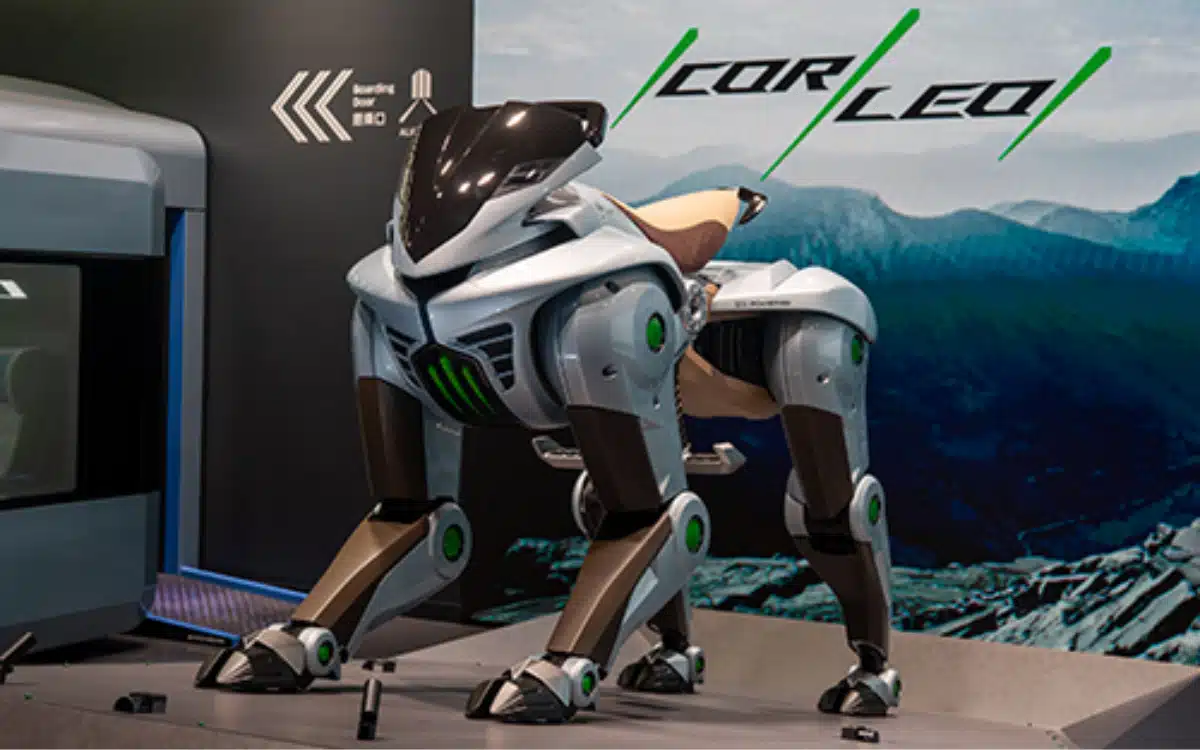
A Fusion of Robotics and Mobility
Kawasaki Heavy Industries has revealed a futuristic hydrogen-powered robot named CORLEO, a four-legged machine designed to emulate the movement of animals while offering a new take on personal transportation. Presented at Expo 2025 Osaka as part of the “Mobile Instincts” pavilion, CORLEO reimagines the experience of motorcycling through biomimicry and robotic innovation.
Legs Over Wheels: Designed for Versatile Terrain
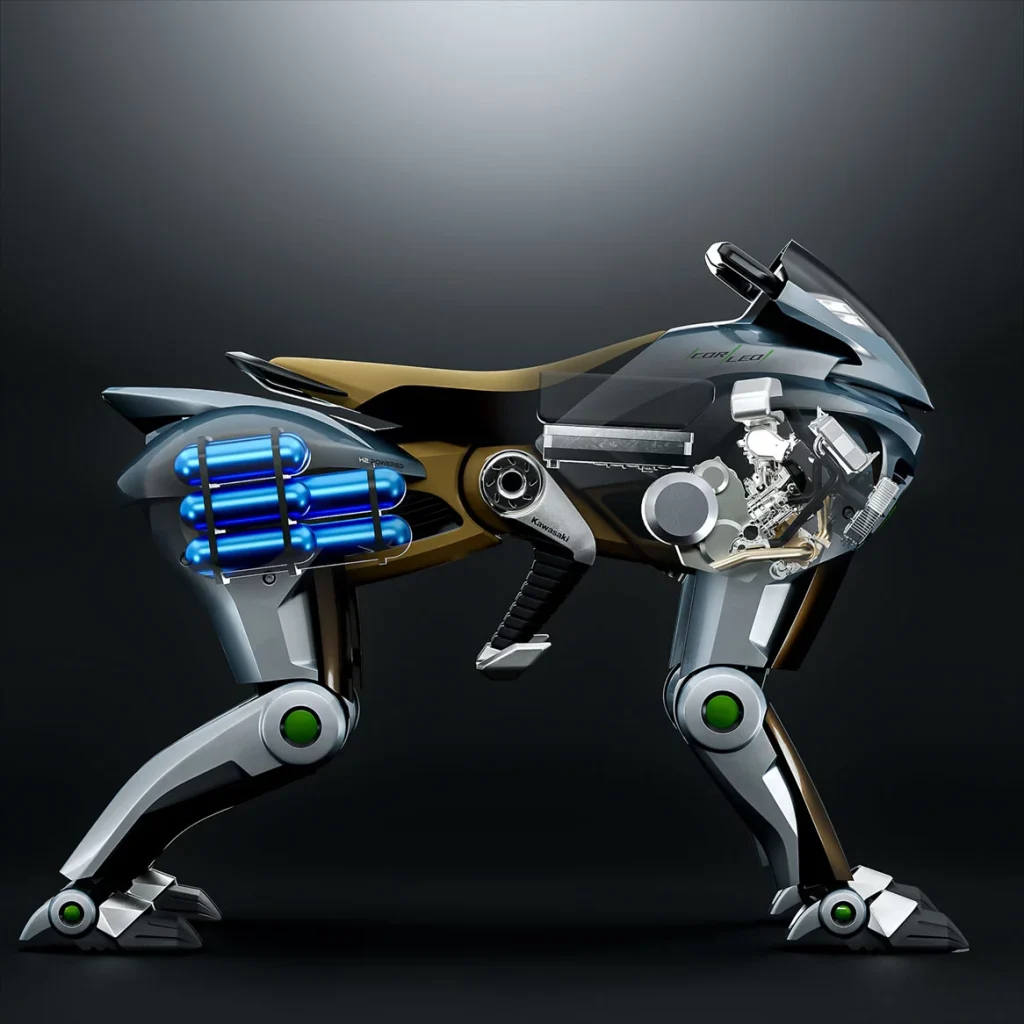
Unlike traditional motorcycles or ATVs, CORLEO ditches wheels entirely. Instead, it walks on four independently controlled robotic legs, each ending in rubber “hooves.” These hooves are split to adapt to surfaces like grass, gravel, and rocky terrain. The leg joints resemble swing arms from motorcycles, giving the robot a shock-absorbing, forward-leaning posture for added balance and comfort.
Hydrogen-Powered and Environmentally Friendly
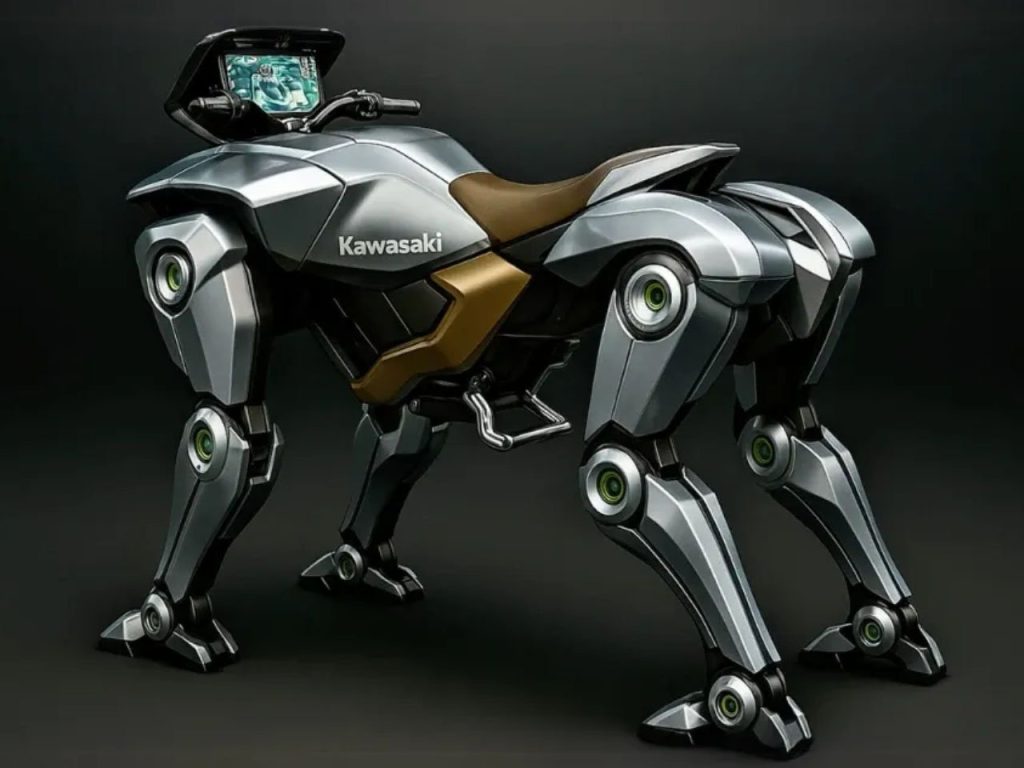
Under the sleek bodywork lies a 150cc hydrogen engine. This engine acts as a generator, producing electricity to drive the motors in the legs. Hydrogen canisters are tucked neatly into the rear, allowing CORLEO to operate quietly and cleanly. The use of hydrogen over conventional fuel supports Kawasaki’s broader move toward low-emission, sustainable mobility solutions.
Smart HUD and Rider Feedback
CORLEO is equipped with a heads-up display (HUD) that provides the rider with essential data like hydrogen levels, navigation, and even real-time balance tracking. At night, the robot can project lighted markers ahead of its path for guidance—making it both safe and futuristic in design.
Instinctive Control Through Body Movement
Instead of buttons or joysticks, riders control CORLEO using body weight and physical cues. Leaning, shifting, and pulling on handlebars tells the robot how to steer, climb, or move faster—similar to the natural mechanics of horseback riding. This intuitive design allows even first-time users to feel confident navigating off-road environments.
Live Demonstrations Show Potential
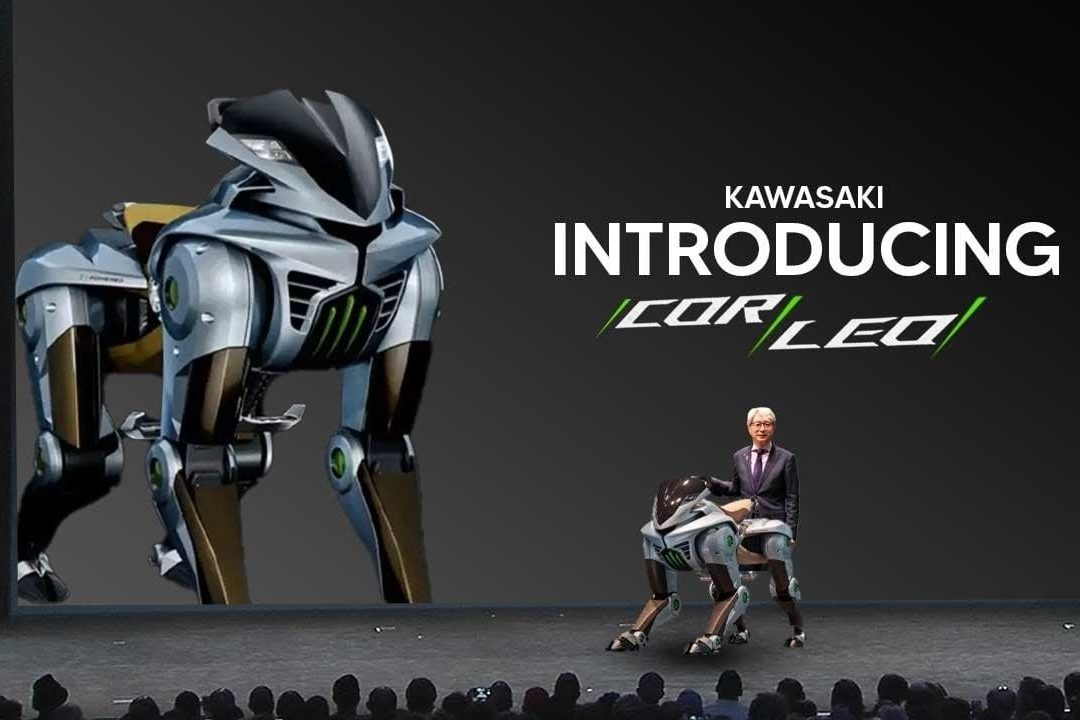
At the Osaka Expo, Kawasaki showcased CORLEO’s capabilities through live demos and video presentations. The robot was seen standing, balancing, and simulating walking and galloping. While high-speed movement remains under development, the current motion displays promise for future mobility applications.
Looking Toward 2050 and Beyond
Still in concept phase, CORLEO isn’t available for commercial sale yet. However, Kawasaki envisions its use in adventure tourism, rescue missions, exploration, and off-road recreation. The company sees CORLEO and similar machines as potential mainstream mobility tools by 2050, offering a glimpse into a cleaner, more instinctive future of transportation.

 Zakirin