 Akmal Azhar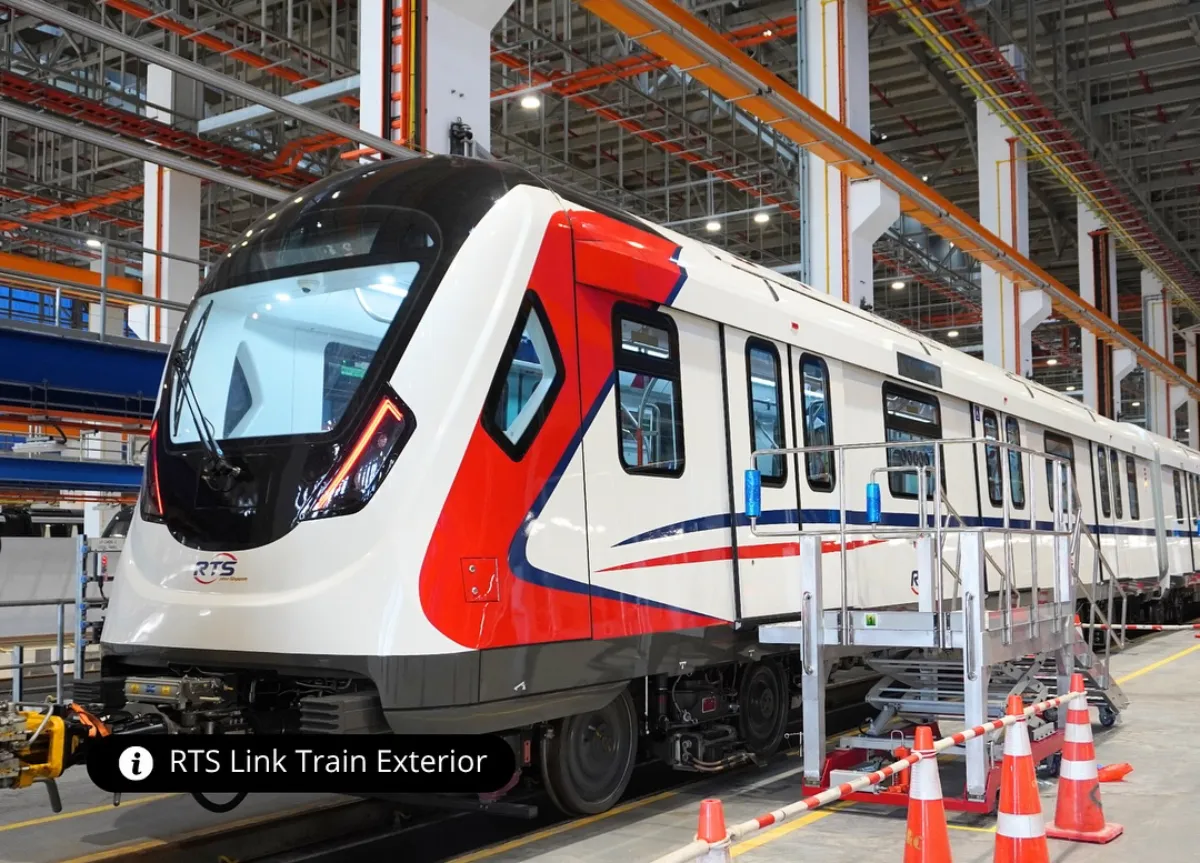
Historic Unveiling of Driverless Train
On June 30, Malaysia and Singapore celebrated the official unveiling of the first driverless train set for the Johor Bahru–Singapore Rapid Transit System (RTS) Link. The ceremony took place at the Singapore Rail Test Centre in Tuas and was attended by key leaders, including Malaysia’s Transport Minister Anthony Loke, Singapore’s Acting Transport Minister Jeffrey Siow, and Johor’s Menteri Besar Onn Hafiz Ghazi. The train was manufactured by CRRC Zhuzhou at its Batu Gajah facility in Malaysia.
Train Specifications and Capacity
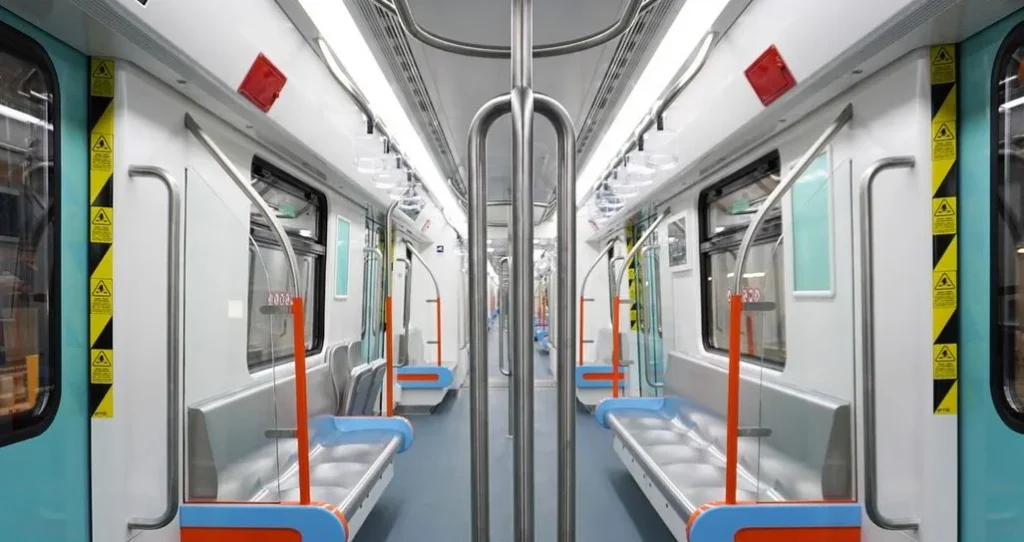
Each of the four-car trainsets can carry up to 607 passengers, including 126 fixed seats and 16 folding seats. Ample space is provided for wheelchairs, prams, and luggage. A total of eight trains will operate on the 4 km line, which consists of 2.3 km in Malaysia and 1.7 km in Singapore.
Passenger Operations Expected by 2026
The RTS Link is scheduled to commence passenger service by December 2026. The first train will undergo systems integration testing at Tuas, including evaluations of signalling, platform screen doors, and power systems. Simulated operations between Woodlands North and Bukit Chagar will begin in Q3 2026.
Speed, Frequency, and Operation Hours
The train is designed to travel up to 80 km/h with a minimum headway of 3.6 minutes during peak periods. The journey between Bukit Chagar and Woodlands North will take only five to six minutes. Operating hours are planned from 6 a.m. to midnight, though Malaysia’s Transport Minister suggested that departures could begin as early as 5 a.m. to cater to commuters.
Progress of Construction and Systems Installation
Trackwork, signalling, and power system installations are approximately 56 percent complete. Track laying is expected to be fully completed by the end of July 2025, paving the way for trial runs in 2026.
Co-Located CIQ Facilities for Seamless Travel
Both stations will feature co-located customs, immigration, and quarantine (CIQ) checkpoints, allowing passengers to clear both countries’ border formalities before boarding. This eliminates the need for post-arrival immigration checks, streamlining the entire journey.
Inclusive Design and Advanced Safety Features
The trains include hearing-induction loops, emergency communication buttons, fire and smoke detectors, surveillance systems, manually operable door hatches, and windows that can be opened if necessary. Storage areas are designed to prevent concealment of items for enhanced safety.
Digital Fare System and Passenger Flow Management
The RTS Link will use an open-loop fare collection system compatible with multiple payment methods. Automatic fare gates will manage passenger flow efficiently, minimizing delays and queuing.
Impact on Johor–Singapore Commute
The RTS Link is expected to relieve pressure on the Causeway, currently used by over 350,000 people daily. It aims to absorb at least 35 percent of pedestrian traffic, offering a faster, cleaner, and more convenient alternative for cross-border commuters.

 Zakirin