 Zakirin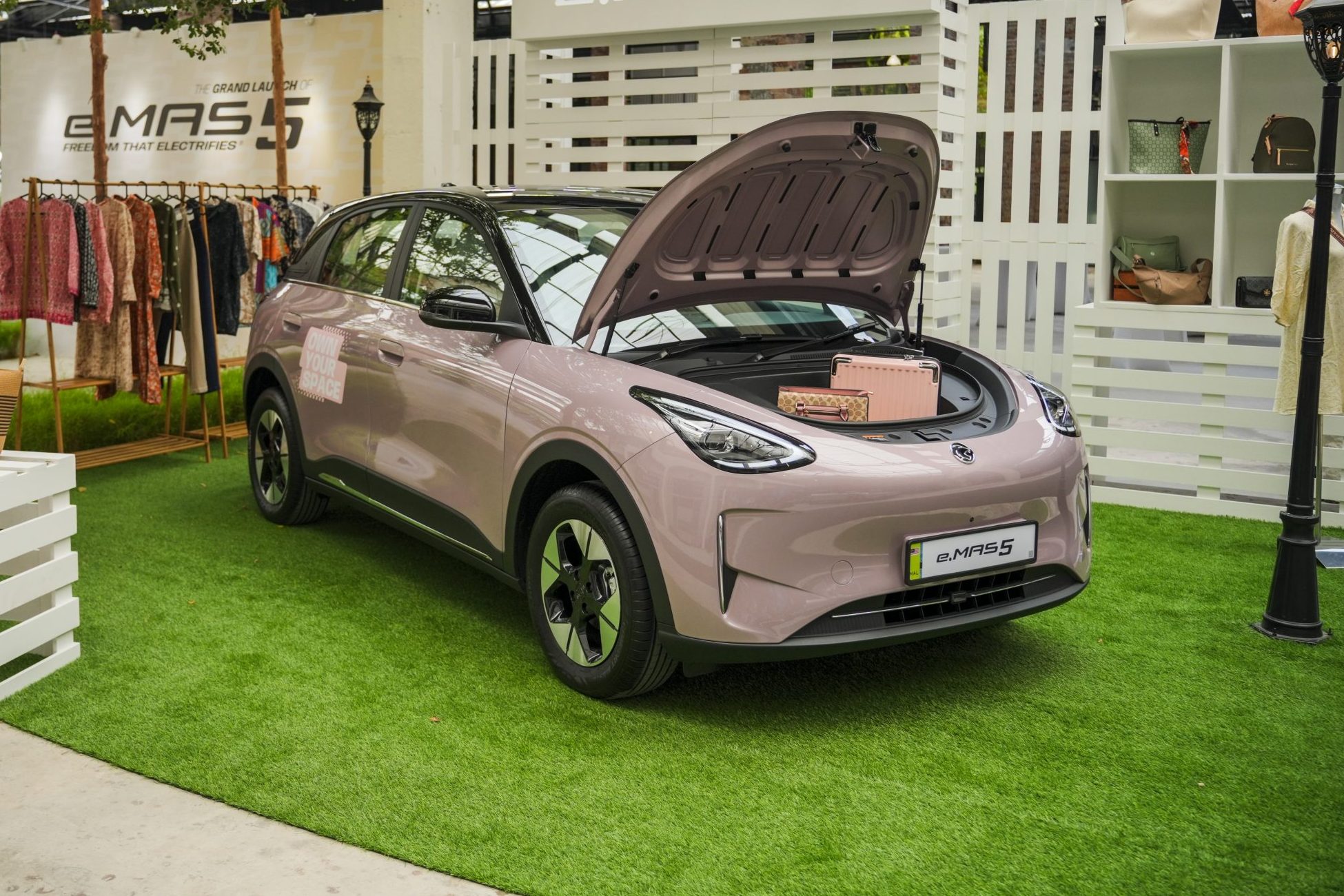
SUBANG JAYA, 7 August 2026 — Proton e.MAS has recorded 31,504 cumulative electrified vehicle (xEV) registrations as of 31 July 2026, covering a 20-month period following the launch of its initial model, the Proton e.MAS 7, in December 2024.
Registration Breakdown and Model Deliveries
The total registration volume comprises 30,293 domestic registrations and 1,211 export units, which includes 130 units of the Proton e.MAS 5. During the first half of 2026, the brand accumulated over 20,000 registrations, surpassing its total volume for the entire year of 2025.
| Model | Powertrain / Segment | Units Delivered |
| Proton e.MAS 5 | Battery Electric (EV) | 13,279 |
| Proton e.MAS 7 | Battery Electric (C-Segment SUV) | 12,068 |
| Proton e.MAS 7 PHEV | Plug-in Hybrid (PHEV) | 4,946 |
Retail, Service, and Charging Network
The brand’s physical network currently consists of:
- Retail Outlets: 58 dealerships nationwide.
- Service Network: 45 dedicated service centres and 10 Body & Paint centres.
For charging access, the integrated Proton e.MAS location map lists over 4,700 charging points across Malaysia, covering an estimated 90% of the public network. This includes more than 1,500 charging points deployed across 600 high-rise residential properties, with charging rates starting at RM0.63 per kWh when accessed through the proprietary mobile application.
Manufacturing Capacity and Localisation
All three Proton e.MAS models are assembled locally in Malaysia. The recently introduced Proton e.MAS 7 PHEV currently utilizes 30% local component content.
To support production for domestic sales and export orders, PROTON allocated RM37 million toward expanding its dedicated EV assembly facility, increasing annual manufacturing capacity from 20,000 units to 42,000 units.
Executive Statement
Zhang Qiang, Chief Executive Officer of PRO-NET, stated that the registration figures indicate expanding consumer uptake of electrified vehicles in Malaysia. He noted that corporate investments will continue to target network expansion, local manufacturing infrastructure, and service availability.