
 Akmal Azhar
Once boasting more horsepower than even a Bugatti Veyron, this supercar vanished from the spotlight—but its legend deserves to be remembered.
A Forgotten American Beast
The Nemesis GT, a U.S.-built hypercar from the late 2000s, was an engineering marvel that never gained mass-market fame. Its 6.0‑liter V8, heavily modified and twin‑turbocharged, reportedly produced around 2,000 horsepower—outstripping contemporary Bugattis. It was claimed to reach a top speed of 218 mph, a dizzying figure even by today’s standards .
More Than Just Power
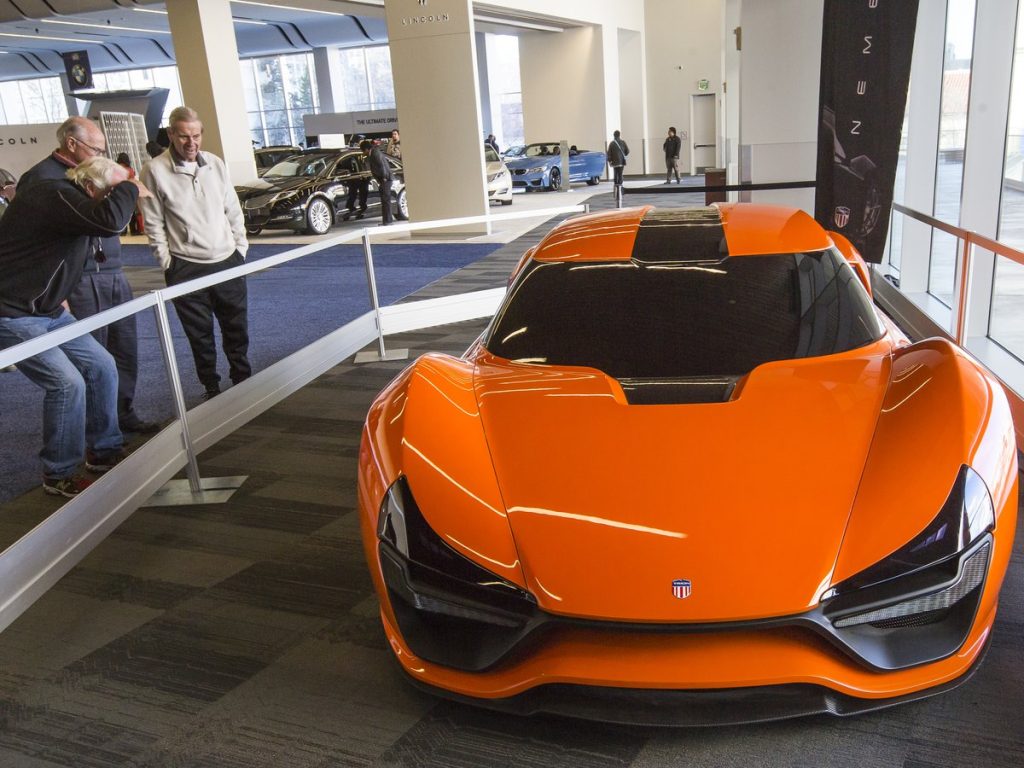
A lower‑powered variant still delivered a jaw-dropping 1,400 hp, and a claimed top speed of 218 mph . Even stripped of its top-tier spec, it stood out as a serious contender in the hypercar arena.
Why It Faded
Despite its mammoth performance numbers, the Nemesis GT suffered from low production volumes and scant marketing. It remained overshadowed by the more glamorous, factory-backed hypercars like Bugatti, Koenigsegg, and Pagani—brands with deeper pockets, stronger dealer networks, and broader public awareness.
The Hypercar Landscape Then & Now

Around the same time, Koenigsegg’s Venom GT made headlines by exceeding Bugatti Veyron’s speed records, reaching speeds of over 270 mph . Still, even the Venom GT, with its 1,244 hp and immense top-end, couldn’t claim outright dominance in attention—or racing heritage. The Nemesis, with its insane 2,000 hp, seemed like the ultimate underdog.
A Legacy Lost—and Found
Today, the Nemesis GT is largely absent, even among hardcore car collectors. But that doesn’t mean it lacks significance. It was a bold demonstration of American engineering ambition—an underdog story of raw horsepower and exotic performance that dared to parallel Europe’s elite. Though it didn’t reach the Bugatti’s fame, it surely earned its place in the annals of automotive bravado.
In essence: the Nemesis GT was an American-made powerhouse that outclassed even the legendary Bugatti in sheer horsepower. Yet, without the spotlight and support behind it, it slipped into obscurity. Its tale stands as a testament to what can be built with vision—and what can be lost without the platform to showcase it.

 Zakirin