 Akmal Azhar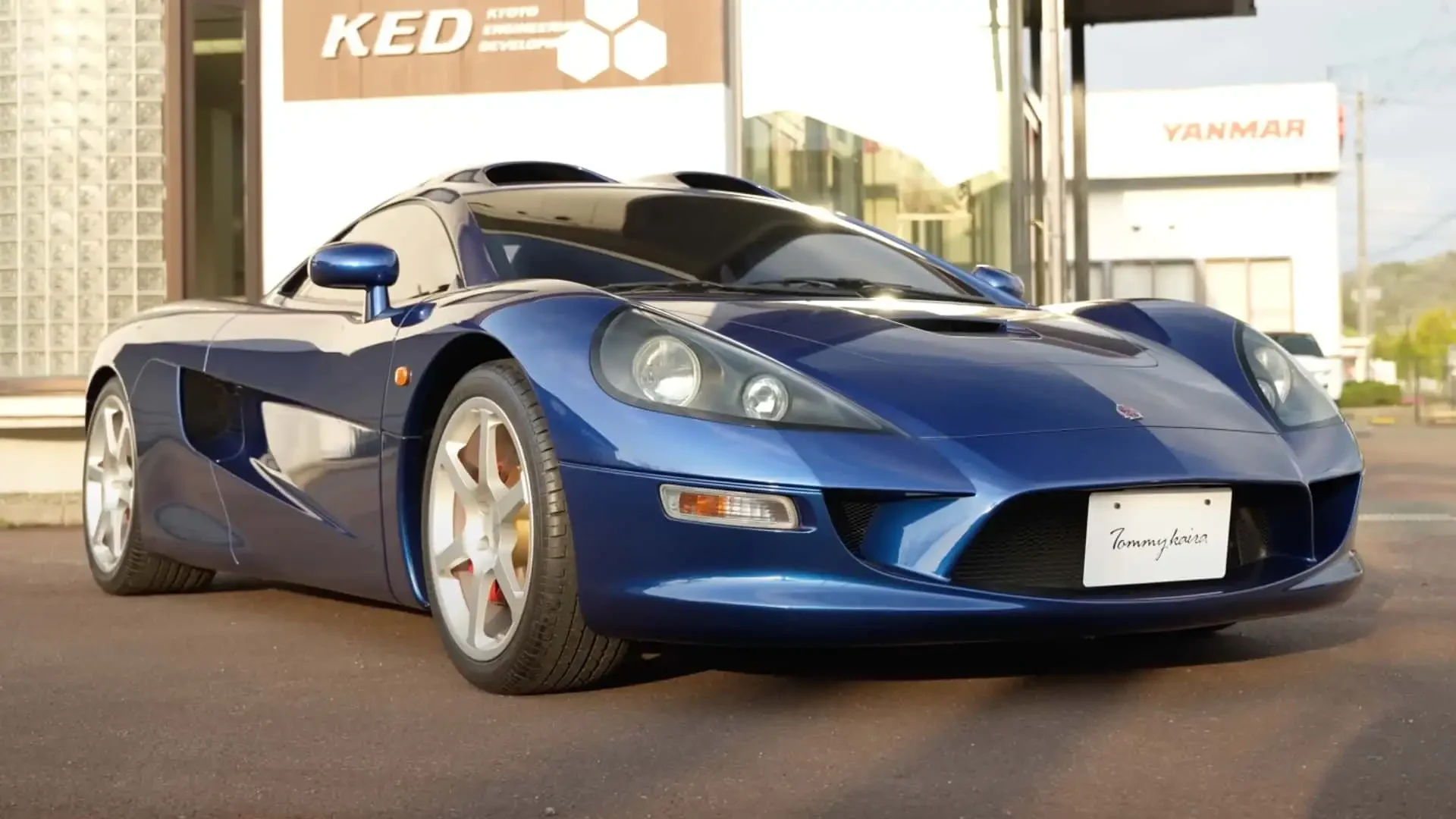
A Vision Beyond Tuning
The Tommykaira ZZII, a fascinating yet nearly forgotten Japanese supercar prototype, has resurfaced in the spotlight more than two decades after its original debut. Designed in the early 2000s by Tommykaira—a tuner-turned-manufacturer known for performance-enhanced Nissans and Subarus—the ZZII was envisioned as a bold leap into the world of international motorsport and high-end road cars. It was intended as the spiritual successor to the lightweight ZZ, but with more aggressive ambitions, including participation in global racing events like the 24 Hours of Le Mans.
Advanced Engineering and Performance
The ZZII’s engineering was remarkably advanced for its time. It featured a lightweight aluminum chassis paired with carbon fiber body panels, keeping the car’s weight low for optimal performance. Power came from a mid-mounted, twin-turbocharged 2.7-liter RB26DETT engine sourced from the Nissan Skyline GT-R. Tuned to produce around 550 horsepower, the ZZII promised breathtaking performance and razor-sharp handling, with all-wheel drive to manage the power delivery.
The Dream That Never Materialized
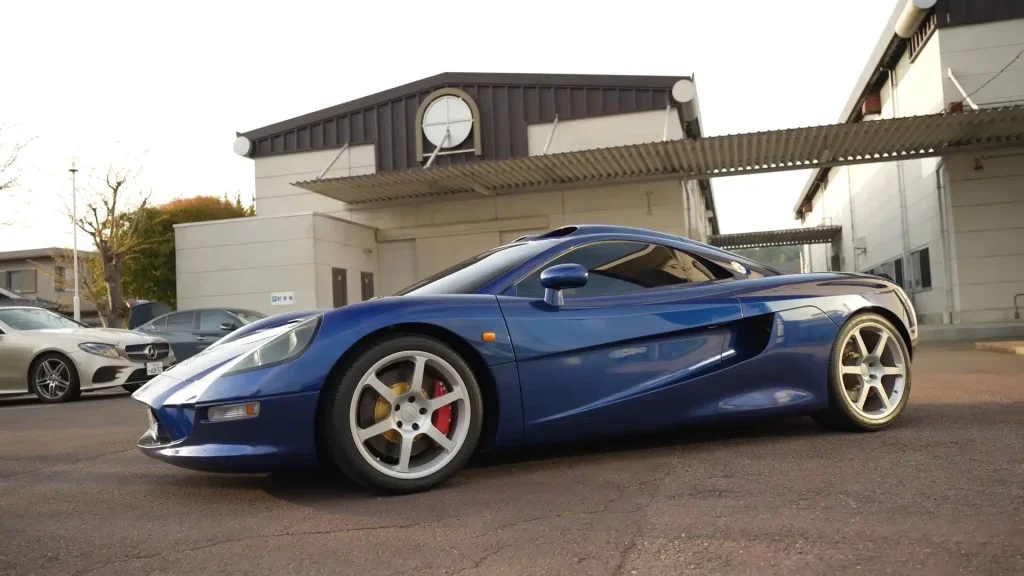
Although the car made a public debut in 2001 and generated strong interest, production never materialized due to financial difficulties and the logistical challenges of turning a concept into a road-legal supercar. Only one functional prototype was ever built, and it has remained an elusive piece of automotive history—until now.
A Rare Glimpse Today
Recently, renowned car journalist and YouTuber Dino Dalle Carbonare documented the ZZII in detail, offering the public a rare look at its unique styling, engineering, and backstory. The video walkaround not only reignited interest in the car but also highlighted how ahead of its time the ZZII truly was.
Legacy of a Lost Legend
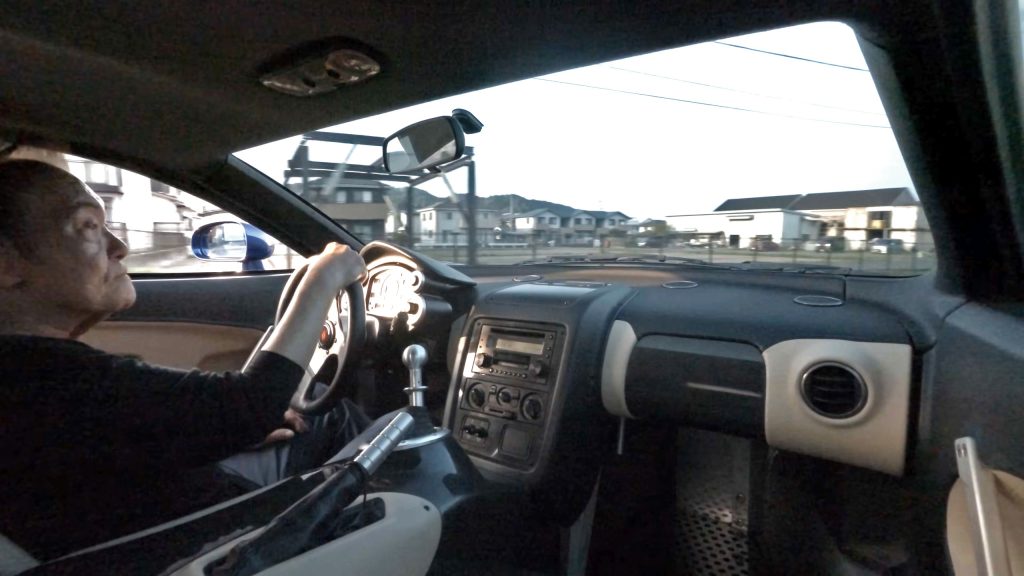
Today, the Tommykaira ZZII stands as a rare reminder of what could have been—a Japanese supercar with genuine performance credentials, wrapped in a lightweight, beautifully sculpted package, tragically left as a one-off dream that never reached production.


 Zakirin