 Akmal Azhar
Malaysia’s automotive market in 2025 continues to evolve, reflecting both brand loyalty and changing consumer preferences. Based on registration data from the Road Transport Department (JPJ), the latest figures reveal interesting shifts among the top 20 car brands in the country. Local brands still dominate, but the rise of Chinese manufacturers and the growing popularity of electric vehicles (EVs) are reshaping the landscape.
Perodua: Still Malaysia’s No.1 Car Brand
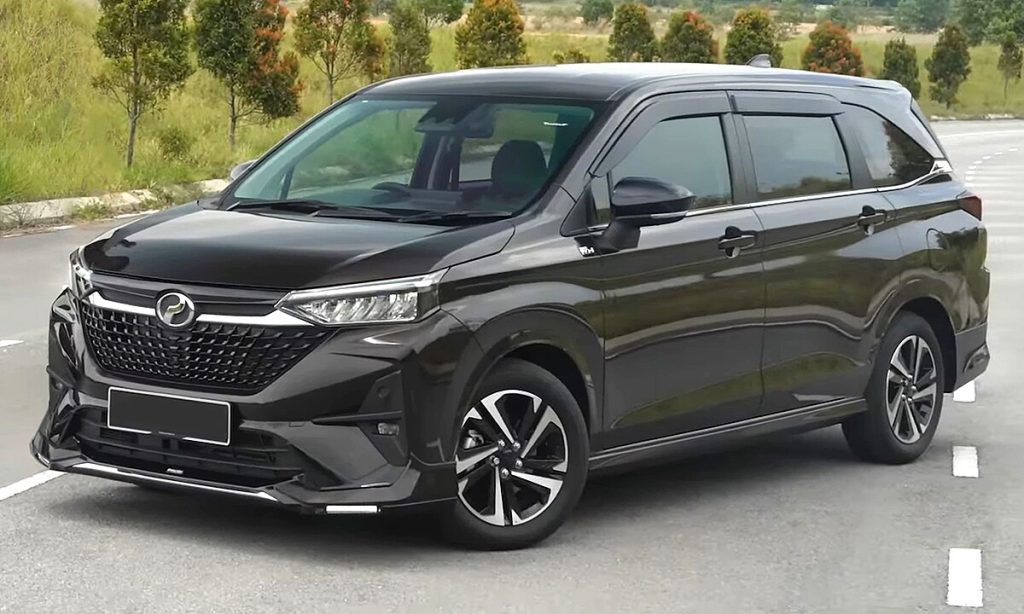
Perodua remains the undisputed market leader, recording a total of 358,102 vehicle registrations in 2024, marking an 8.4% growth compared to the previous year. Popular models like the Perodua Axia, Bezza, and Myvi continue to be the top choice for Malaysian buyers due to their affordability, fuel efficiency, and strong aftersales support. Perodua’s dominance shows no signs of waning, even as competition intensifies.
Proton Holds Its Ground Despite Slight Dip
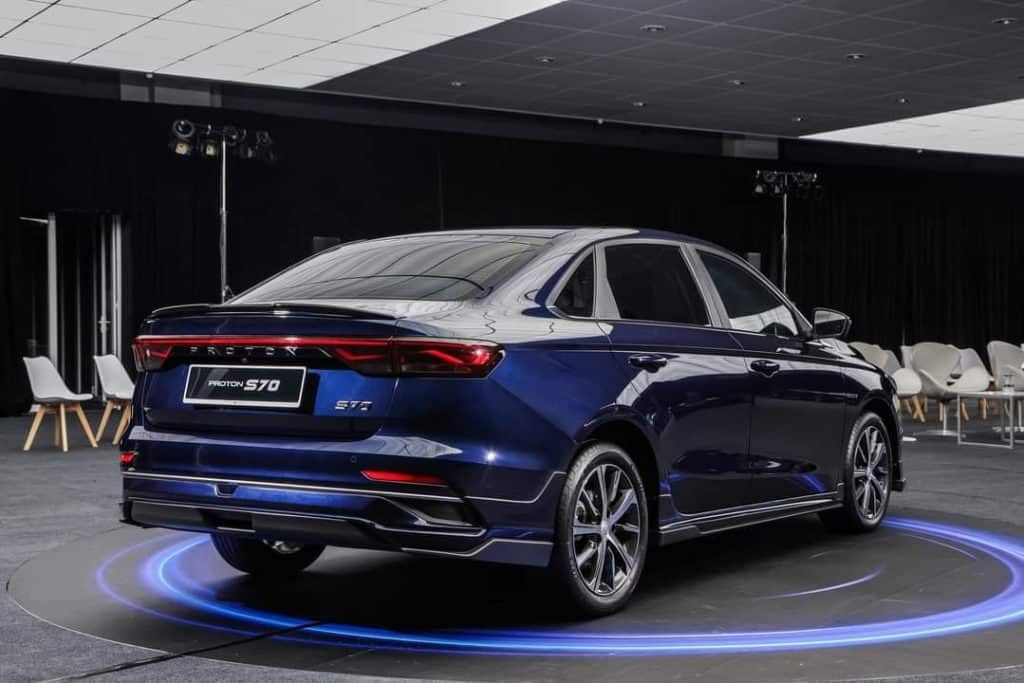
Proton retains the second spot with 147,787 units registered in 2024. However, this figure represents a slight decline of 2.2% from 2023. While Proton’s best-selling models like the X50 and X70 still enjoy strong demand, the dip could be attributed to increasing competition, especially from Chinese brands offering modern features at competitive prices. Despite this, Proton remains a significant force in the national car segment.
Toyota and Honda: Japanese Rivals in a Tight Race
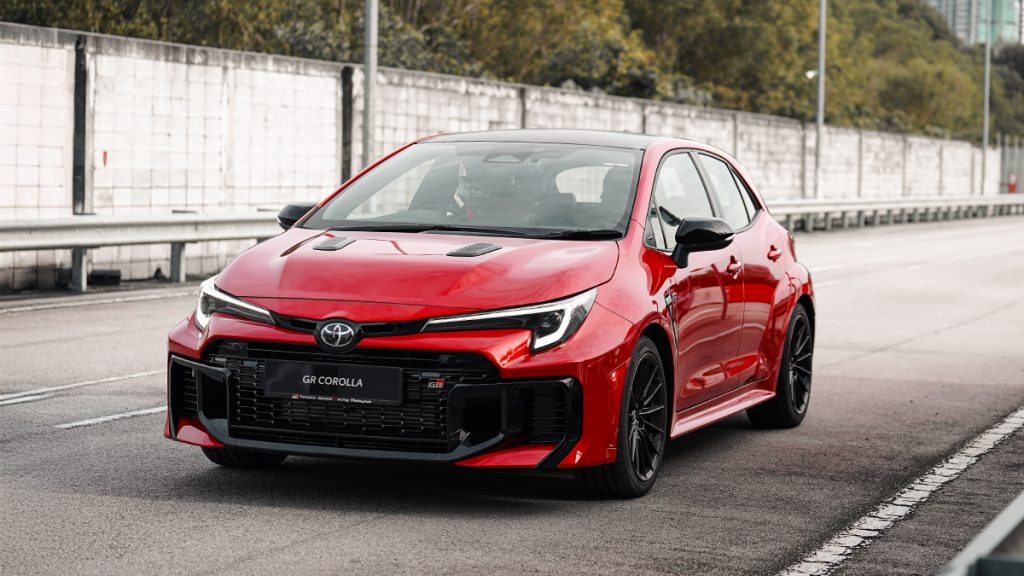
Toyota continues to hold a firm third place with 100,680 registrations, though this reflects a 5.2% decrease year-on-year. Meanwhile, Honda bucks the downward trend by registering 81,600 units, marking a 2.0% increase. Honda’s rise could be linked to the sustained popularity of models like the City and HR-V, which appeal to urban consumers seeking practicality and value. The battle between these Japanese giants remains close as they adapt to shifting market dynamics.
Chinese Brands Surge Ahead: Chery, BYD, and More

One of the standout stories of 2025 is the meteoric rise of Chinese car brands in Malaysia. Chery recorded a staggering 182% growth, with 12,699 units registered. BYD also enjoyed significant growth, with registrations increasing by 91.7% to 8,570 units. These brands are gaining traction thanks to their aggressive pricing, advanced technology, and appealing design. Additionally, newcomers like Jaecoo and GWM are steadily building their presence, signaling a more competitive landscape in the near future.
Premium German Brands Face a Decline
Premium carmakers, particularly German brands, faced a challenging 2024. BMW registered 10,500 units, a decline of 10.2%, while Mercedes-Benz experienced a sharper drop of 33.3%, falling below the 8,000-unit mark. This downturn might reflect market saturation, economic headwinds, and rising competition from more affordable yet tech-laden alternatives, including Chinese EVs and crossovers
Electric Vehicles (EVs) Gain Traction

The EV segment is growing rapidly, though it still represents a niche part of the overall market. Tesla saw a 238.7% surge in registrations, with 5,124 units in 2024. Local players are also entering the fray — Proton’s e.MAS 7 became Malaysia’s most popular EV in January 2025, reflecting a shift in consumer attitudes toward greener mobility. With government incentives and improved charging infrastructure, EV adoption is expected to accelerate further.
Conclusion: A Market in Transition
Malaysia’s automotive scene in April 2025 reflects a market at a crossroads. While local brands like Perodua and Proton remain dominant, the rise of Chinese carmakers and the steady growth of EVs are changing the competitive dynamics. Japanese brands continue to be strong contenders, though premium German marques are facing headwinds. As technology, affordability, and environmental concerns reshape consumer preferences, the Malaysian car market is poised for an exciting evolution.


 Yusri Ng