 Akmal Azhar
In a historic shift in the electric vehicle (EV) industry, Volkswagen has overtaken Tesla to become the top-selling EV manufacturer in Europe during the first quarter of 2025. The German automaker sold 65,679 battery-electric vehicles (BEVs) from January through March, marking a staggering 157% increase compared to the same period in 2024, according to industry data from JATO Dynamics.
Meanwhile, Tesla, which had held a stronghold on the European EV market in recent years, saw its sales plummet by 38% to just 53,237 units—its most significant quarterly decline in the region. This development not only signals a reshuffling of the EV hierarchy but also underscores the increasing competitiveness of traditional automakers in the electric transition.
A New Era in European EV Leadership
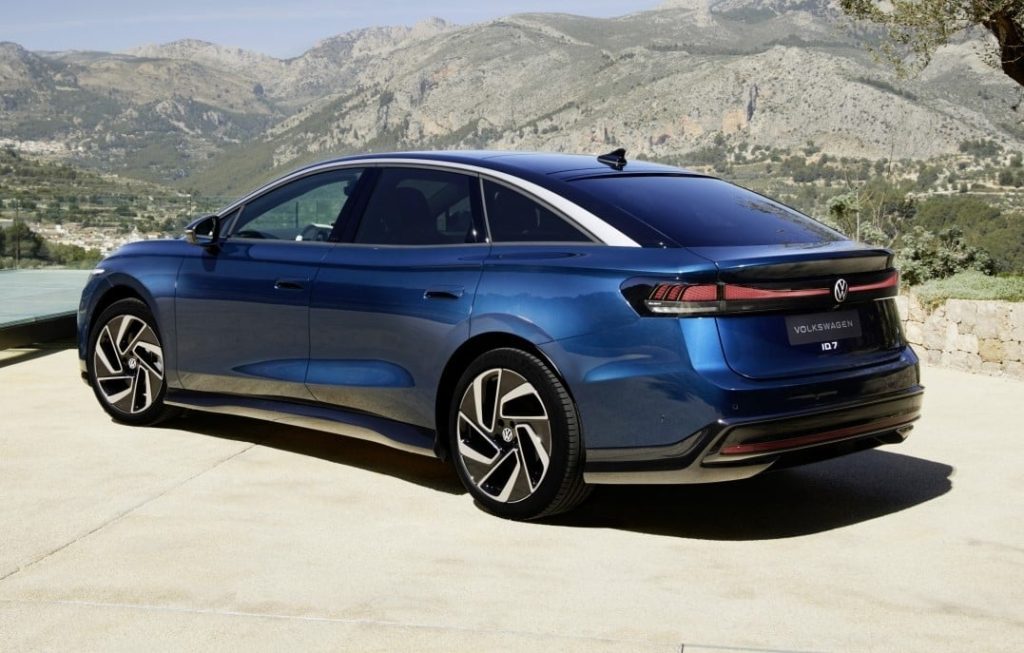
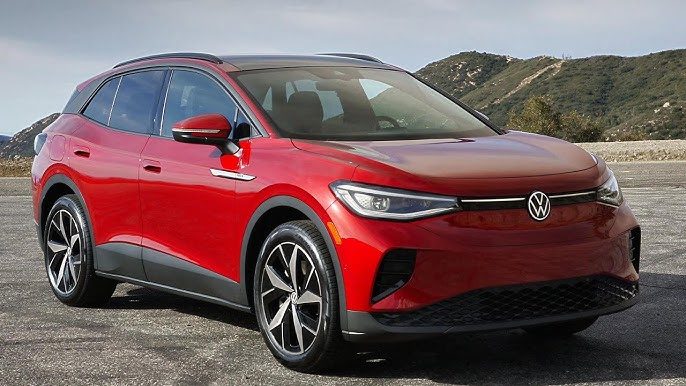
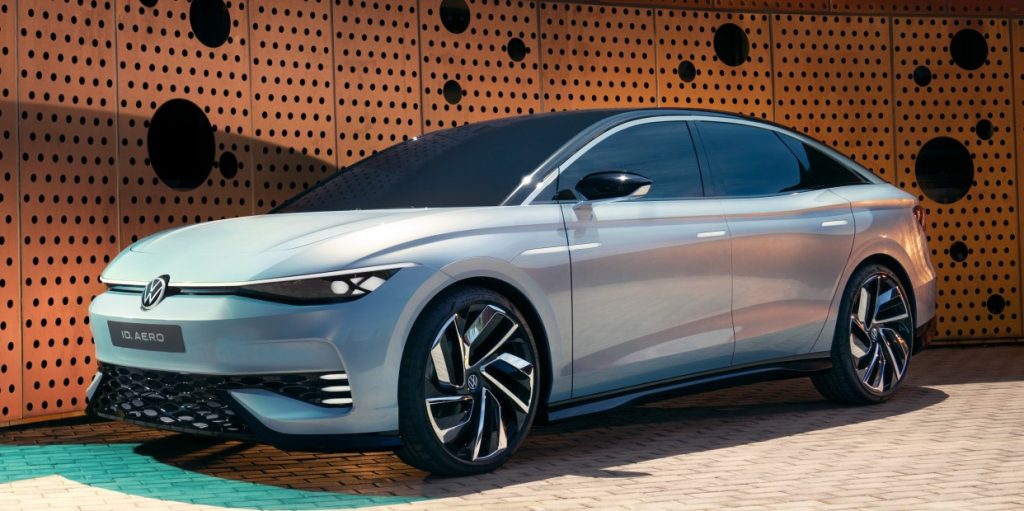
Volkswagen’s triumph reflects a well-orchestrated strategy that’s beginning to pay off. The company’s ID series—including the ID.3, ID.4, and the recently launched ID.7—has been crucial to this success. These models are tailored to European tastes, blending the familiarity of Volkswagen’s design philosophy with modern EV innovation. The ID.4, in particular, has seen strong demand thanks to its SUV format, extended range, and competitive pricing.
“Volkswagen has successfully tapped into the heart of the European market with a diversified EV lineup that appeals to families, professionals, and eco-conscious buyers alike,” said an analyst from JATO Dynamics.
The German automaker’s local production advantage has also played a role. With manufacturing facilities across Europe, Volkswagen has managed to sidestep some of the logistical challenges that have plagued overseas brands like Tesla.
Tesla’s European Struggles
Tesla’s downturn is multifaceted. The company is dealing with logistical bottlenecks, especially regarding the updated Model Y, which was expected to drive sales this year. However, delays in deliveries and limited availability in key markets like France, Germany, and the Nordics have hurt Tesla’s performance.
Moreover, public sentiment in Europe has shifted in part due to controversies surrounding Tesla CEO Elon Musk. His high-profile behavior on social media and political commentary have generated negative press, impacting Tesla’s brand image—particularly in regions with strong environmental and social values, such as Scandinavia and parts of Western Europe.
Interestingly, despite the drop, the Model Y remains the most registered individual EV model in Europe. However, its registrations in March 2025 fell by 43%, suggesting that even Tesla’s best-performing product is losing steam in the current climate.
Rising Competition from Legacy Automakers
Volkswagen isn’t the only legacy carmaker making moves. BMW also reported strong figures, with 46,557 BEVs sold in the first quarter. Models like the i4 and iX3 are performing well across Germany, the Netherlands, and the UK. With continued investments in EV innovation and infrastructure, BMW is positioning itself as a long-term contender.
Other brands such as Mercedes-Benz, Renault, and Peugeot are also ramping up their electric offerings, collectively contributing to a more diversified and competitive EV landscape in Europe.
Government Policies and Market Dynamics
The European EV market has been shaped significantly by government incentives, stringent emissions regulations, and urban low-emission zones. While Tesla was an early beneficiary of these trends, the playing field has gradually leveled as more automakers adapted to regulatory requirements and invested in zero-emission technologies.
In 2025, several EU member states introduced new subsidies for domestically manufactured EVs, giving companies like Volkswagen and Renault a competitive edge. Additionally, countries like Germany and France have expanded their charging infrastructure, reducing range anxiety and encouraging the adoption of a broader range of electric models.
Consumer Shifts: From Novelty to Normality
The shift from Tesla to Volkswagen also reflects changing consumer attitudes. While Tesla initially benefited from its tech-forward image and brand prestige, European buyers are now focusing more on practicality, affordability, and availability.
“Consumers no longer see EVs as a niche or luxury product,” said Marie Lefevre, an automotive consultant in Paris. “They are looking for vehicles that fit their lifestyle, with good warranty coverage, dealership support, and local servicing. Volkswagen ticks those boxes more effectively than Tesla in many European markets.”
The preference for hatchbacks and compact SUVs—segments where Volkswagen excels—also plays a role. In contrast, Tesla’s lineup remains relatively limited, dominated by the Model 3 and Model Y, which don’t always align with the nuanced preferences of the European market.
What’s Next for Tesla?
Tesla is not out of the game yet. The company is planning to expand its Gigafactory Berlin to boost local production and reduce delivery times. New models, such as the anticipated “Model 2” budget EV, could help Tesla regain lost ground if they hit the market at the right time and price point.
However, the brand faces increasing scrutiny in Europe over its labor practices, software issues, and lack of physical dealership presence. These challenges, combined with Volkswagen’s momentum, mean that Tesla will need to evolve rapidly to remain competitive in the region.
Conclusion: A Turning Point for European EVs
Volkswagen’s overtaking of Tesla in Europe is more than just a quarterly milestone—it’s a sign of a broader transition in the automotive industry. As EVs become mainstream, consumer expectations are shifting toward value, support, and localized service. Traditional automakers, long seen as lagging behind in the EV race, are now proving they can innovate at scale.
With the European EV market continuing to grow and diversify, the next few quarters will be critical. Whether Tesla can bounce back or if Volkswagen will cement its lead remains to be seen, but one thing is clear: the era of unquestioned Tesla dominance in Europe is over.

 Zakirin