 Akmal Azhar
The 2025 Shanghai Auto Show is shaping up to be a pivotal moment for the global automotive industry, particularly for electric vehicle (EV) manufacturers. More than 70 automakers from China and around the world are unveiling over 100 new or refreshed models, amid a rapidly evolving regulatory landscape and intensified competition in the world’s largest EV market.
New Regulatory Crackdown on Autonomous Driving Claims

One of the most striking themes of this year’s event is the heavy-handed response from Chinese authorities toward the marketing of advanced driver-assistance systems (ADAS). Following a fatal accident involving Xiaomi’s SU7 EV, regulators have imposed strict guidelines on how companies can advertise these systems.
Terms such as “autonomous” and “smart driving” are now largely banned from promotional materials unless the technologies meet specific regulatory standards. This has caused several automakers—including BYD, Zeekr, and Tesla—to alter or tone down their marketing strategies for next-generation driving tech.
The Xiaomi crash, which killed three people after the driver reportedly tried to take over from the car’s assistance system, triggered the latest round of regulatory tightening. The SU7 had previously made waves with its popularity, selling over 215,000 units and even outselling Tesla’s Model 3 in China.
Shifting Focus: From Autonomy to Enhanced Safety
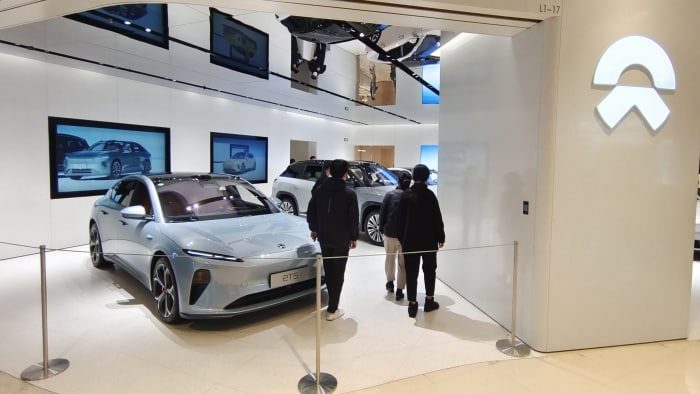
In response to the new environment, EV makers are pivoting their messaging. Rather than boast about cutting-edge autonomy, they’re now highlighting safety, reliability, and driver awareness.
Huawei, for example, launched a caution-themed campaign featuring actress Liu Yifei, urging consumers to remain attentive and cautious even when using assisted-driving systems. Similarly, Zeekr, a brand under Geely, originally planned to showcase its Level 3 driver-assistance system at the show. However, its focus has shifted toward hybrid vehicle development and battery safety innovation instead.
This adjustment is more than superficial. China’s regulators have also begun demanding approval for any software updates that affect driver-assistance features, making over-the-air updates a far more complex and compliance-heavy process. Tesla, which had offered a limited-time trial of its Full Self Driving (FSD) system, pulled the plug on the offer and rebranded it as “intelligent assisted driving.”
BYD’s Aggressive Expansion and Pricing Strategy
Among the domestic giants, BYD continues to lead the pack, not just in terms of unit sales but also innovation and market disruption. The company recently announced that its proprietary “God’s Eye” driver-assistance technology would become a standard feature, even in its most affordable models—some of which retail for as low as $10,000.
This strategy mirrors BYD’s past success in dominating EV sales by undercutting competitors on pricing without compromising quality. According to analysts, the company is now applying this same model to software and tech integration, using its massive production scale to pressure rivals and lower industry-wide prices.
While some competitors criticize BYD for instigating a “pricing war,” its aggressive tactics have undeniably raised the bar. Many automakers now find themselves scrambling to keep up—not just with performance metrics but also with affordability.
Launch of Tesla ‘Killers’ from Chinese Brands

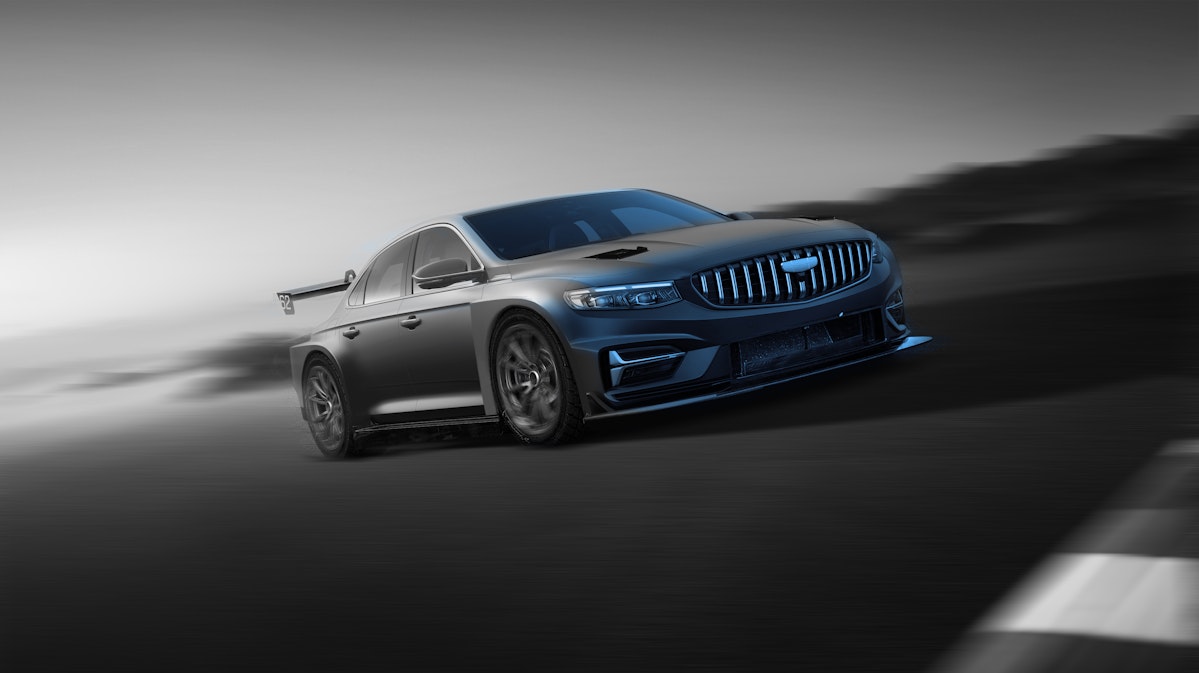
Another key storyline at the auto show is the rise of so-called “Tesla killers.” Numerous Chinese brands—including Geely, Nio, Xpeng, and Xiaomi—are unveiling sleek, technologically advanced models designed specifically to compete with Tesla’s Model Y.
These homegrown challengers often come with features Tesla’s vehicles lack in China, such as tailored infotainment systems, greater in-car connectivity, and localized voice command systems. Moreover, with competitive pricing and government incentives, these models are beginning to gain ground in Tesla’s once-secure segment.
BYD’s Dolphin and Seal models, for example, have seen a significant uptick in sales and are eating into Tesla’s market share. Meanwhile, Xiaomi’s SU7, despite the recent setback, remains a customer favorite due to its design, price point, and performance.
International Automakers Fight to Stay Relevant
Foreign brands are also making a strong showing at the Shanghai Auto Show. Companies like Volkswagen, Nissan, Toyota, and General Motors (via its Cadillac division) are rolling out refreshed models in a bid to stay competitive in the tech-centric Chinese EV space.
However, global automakers face challenges on multiple fronts: price sensitivity, local tech expectations, and fast-moving domestic competition. While brands like VW have ramped up joint ventures with Chinese firms and invested in local production, the speed and agility of native startups remain a significant threat.
EV Battery Safety and Regulation
Aside from autonomous tech, regulators are also tightening standards around EV batteries. The focus is on reducing fire and explosion risks—a pressing concern after several high-profile battery incidents.
Automakers at the show are emphasizing advancements in solid-state battery technology, better thermal management systems, and stricter quality controls. Zeekr, for instance, highlighted new developments in lithium iron phosphate (LFP) cells, while others, such as CATL and BYD’s battery division, showcased rapid-charging and long-life solutions.
The Future of the EV Market in China
Despite the regulatory hurdles, the Chinese EV market is expected to continue growing, fueled by urbanization, favorable policies, and consumer demand for high-tech, eco-friendly transportation. Currently, new energy vehicles (NEVs)—which include EVs and plug-in hybrids—account for more than 50% of all new car sales in China.
The 2025 Shanghai Auto Show serves as both a showcase and a battleground, where companies must prove they can innovate responsibly and compete effectively. The blend of rapid tech evolution, stricter regulations, and consumer expectations is redefining what success looks like in the Chinese EV market.
Conclusion
The 2025 Shanghai Auto Show isn’t just about shiny new cars—it’s about navigating a complex and fast-changing ecosystem. As automakers adapt to evolving tech rules, consumer expectations, and aggressive competitors, only those who can combine safety, innovation, and affordability are likely to thrive in the years to come.


 Yusri Ng