 Akmal Azhar
Audi R8’s Electrifying Resurrection: A 2027 Revival Fueled by Lamborghini’s Hybrid Power
The automotive world is buzzing with anticipation as Audi prepares to resurrect its iconic R8 supercar in 2027, this time leveraging cutting-edge hybrid technology and the engineering prowess of its sibling brand, Lamborghini.
After bidding farewell to the second-generation R8 in 2024, Audi has confirmed that the third iteration will emerge as a plug-in hybrid powerhouse, built on the foundation of Lamborghini’s upcoming Temerario platform. This strategic revival not only honors the R8’s legacy but also signals Audi’s commitment to blending high-performance electrification with the raw emotion of combustion engines.
A Legacy Reborn: The R8’s Evolution
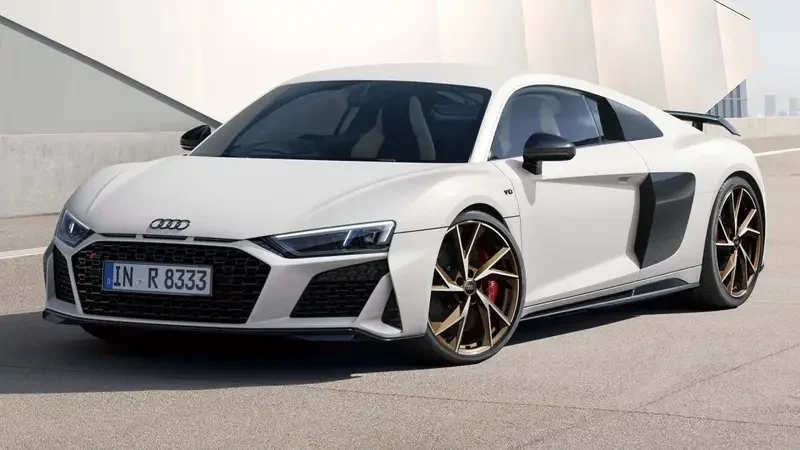
The Audi R8 has always been more than just a car—it’s a symbol of engineering ambition. Launched in 2006, the first-generation R8 redefined Audi’s image, transforming the brand from a producer of understated luxury sedans into a contender in the supercar arena.
Its mid-engine layout, derived from the Lamborghini Gallardo, showcased Audi’s ability to collaborate within the Volkswagen Group to create something extraordinary. The second generation, sharing DNA with the Lamborghini Huracán, further solidified its reputation for accessible yet thrilling performance.
However, tightening emissions regulations and shifting consumer preferences toward electrification led to the R8’s discontinuation in 2024. Audi’s initial plans hinted at a fully electric successor, but market volatility and enthusiast demand for hybrid solutions prompted a strategic pivot. Enter the Temerario—Lamborghini’s latest hybrid supercar—a platform that offers Audi the perfect blend of performance and sustainability .
Lamborghini Temerario: The Heart of the New R8
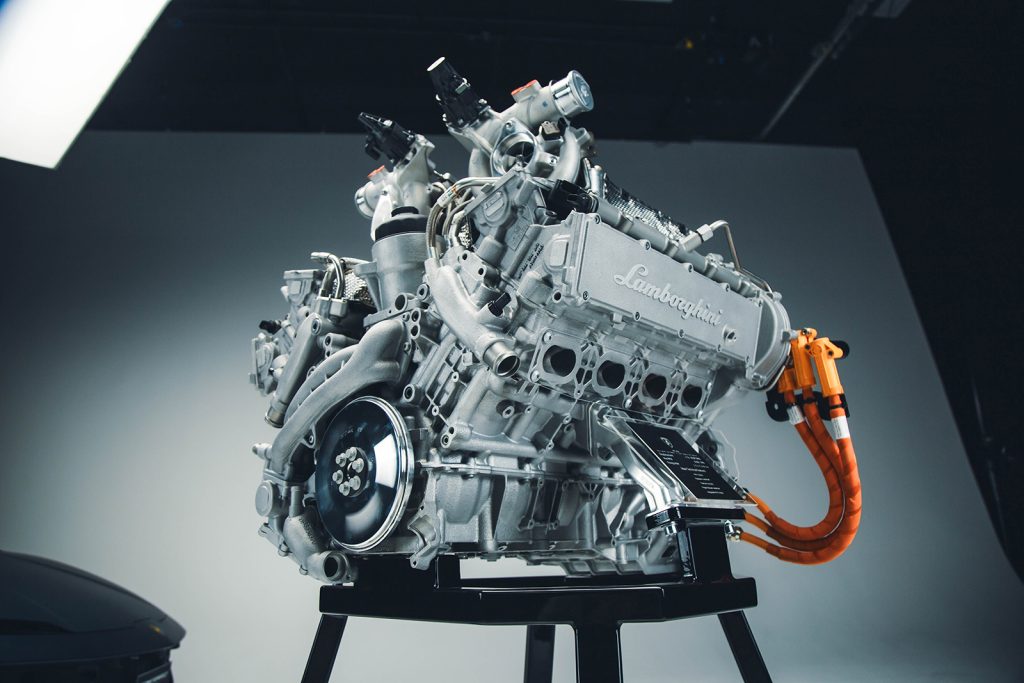
At the core of the 2027 Audi R8 lies the Lamborghini Temerario’s revolutionary powertrain. The Temerario, unveiled earlier this year, represents Lamborghini’s second-generation High Performance Electrified Vehicle (HPEV) architecture. Its hybrid system pairs a 4.0-liter twin-turbocharged V8 engine—producing 789 horsepower and 538 lb-ft of torque—with three electric motors, delivering a combined output of 907 horsepower .
This setup not only ensures blistering acceleration (0–60 mph in 2.7 seconds) but also enables all-wheel drive capabilities and reduced emissions compared to purely combustion-powered predecessors.
For the R8, Audi is expected to retain the Temerario’s core components, including its 8-speed dual-clutch transmission and lightweight chassis. However, insiders suggest Audi will “detune” the engine to differentiate it from its Lamborghini counterpart, prioritizing daily drivability over track-focused aggression. The R8’s power output may settle around 800–850 horsepower, positioning it as a more refined alternative to the Temerario’s 900+ hp fury .
Design and Performance: Bridging Two Worlds
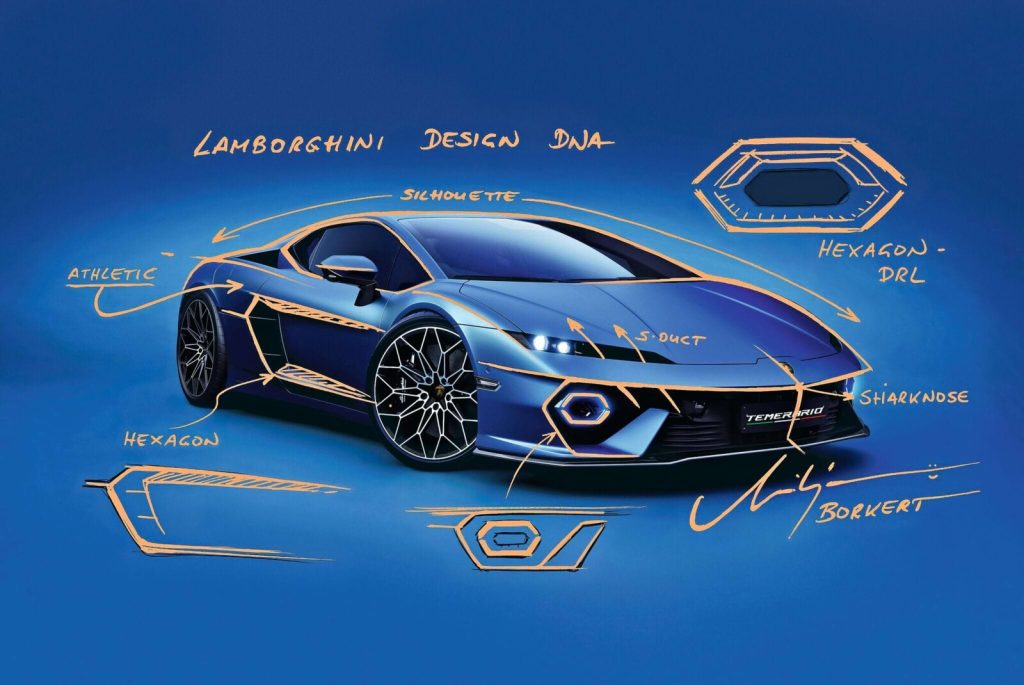
Audi’s design philosophy for the new R8 will likely balance its heritage with futuristic elements. Spy shots of the Temerario reveal sharp angles, aggressive aerodynamics, and a mid-engine silhouette—traits that the R8 could reinterpret with Audi’s signature Singleframe grille and LED lighting signatures. The third-gen model is expected to debut in both coupe and Spyder (convertible) configurations, appealing to enthusiasts who crave open-top exhilaration .
Performance-wise, the R8 will inherit the Temerario’s hybrid advantages. Electric motors will provide instant torque fill during gear shifts, while regenerative braking and a plug-in battery system cater to short-range electric-only driving—a first for the R8 lineage. This hybridization aligns with Lamborghini’s corporate mandate to electrify its entire lineup by 2024, a goal reiterated by CEO Stephan Winkelmann .
Why Hybrid—Not Full EV?
Audi’s decision to adopt a plug-in hybrid system reflects a calculated response to market realities. While brands like Tesla and Rimac push for all-electric hypercars, demand for EVs remains inconsistent, particularly in the high-performance segment. Enthusiasts still crave the auditory drama of a combustion engine, and hybrid systems offer a compromise: reduced carbon footprints without sacrificing visceral thrills.
The Temerario-based R8 also benefits from economies of scale. By sharing development costs with Lamborghini, Audi can keep pricing competitive—likely starting around $200,000, significantly below the Temerario’s estimated $300,000+ tag . This strategy mirrors the original R8’s success, which undercut rivals like the Ferrari F430 by leveraging shared Volkswagen Group resources.
The Road Ahead: Challenges and Opportunities
The 2027 R8 faces a rapidly evolving automotive landscape. Competitors like the McLaren Artura and Ferrari 296 GTB have already set high benchmarks for hybrid supercars, emphasizing lightweight construction and track-ready agility. Audi’s challenge lies in differentiating the R8 through its Quattro all-wheel-drive system and a focus on everyday usability—a hallmark of the previous generations.
Moreover, the R8’s revival must navigate tightening global emissions standards. The hybrid system’s electric range, though modest, could help Audi meet regulatory requirements in Europe and China, where stricter CO2 limits loom. Meanwhile, the brand’s marketing team will need to reignite nostalgia among longtime fans while attracting new buyers seeking sustainable performance .
Conclusion: A New Chapter for an Icon
The return of the Audi R8 in 2027 is more than a nostalgic nod to the past—it’s a bold statement about the future of performance cars. By harnessing Lamborghini’s hybrid technology, Audi is poised to deliver a supercar that respects its roots while embracing innovation. For enthusiasts, this means the thrill of a naturally aspirated V8’s roar, amplified by electric immediacy. For Audi, it’s a chance to reclaim its place in the supercar pantheon, proving that electrification and emotion can coexist.
As the automotive industry marches toward an electric future, the 2027 R8 stands as a bridge between eras—a machine that honors its legacy while daring to redefine what a supercar can be.

 Zakirin