 Zakirin
A Revival of Japanese Sports DNA
Mazda and Toyota are joining forces again. This time, it’s for a brand-new sports car project that could redefine Japan’s performance car scene. Both brands are known for their balanced, driver-focused machines. So when these two collaborate, enthusiasts take notice.
Toyota will reportedly handle the GR86 successor, while Mazda focuses on the next-generation MX-5. But this partnership goes deeper. Both companies aim to co-develop a shared platform that keeps the “lightweight and fun-to-drive” spirit alive. That goal mirrors what made cars like the AE86 and MX-5 icons in the first place.
The GR86 and MX-5, Reborn Together
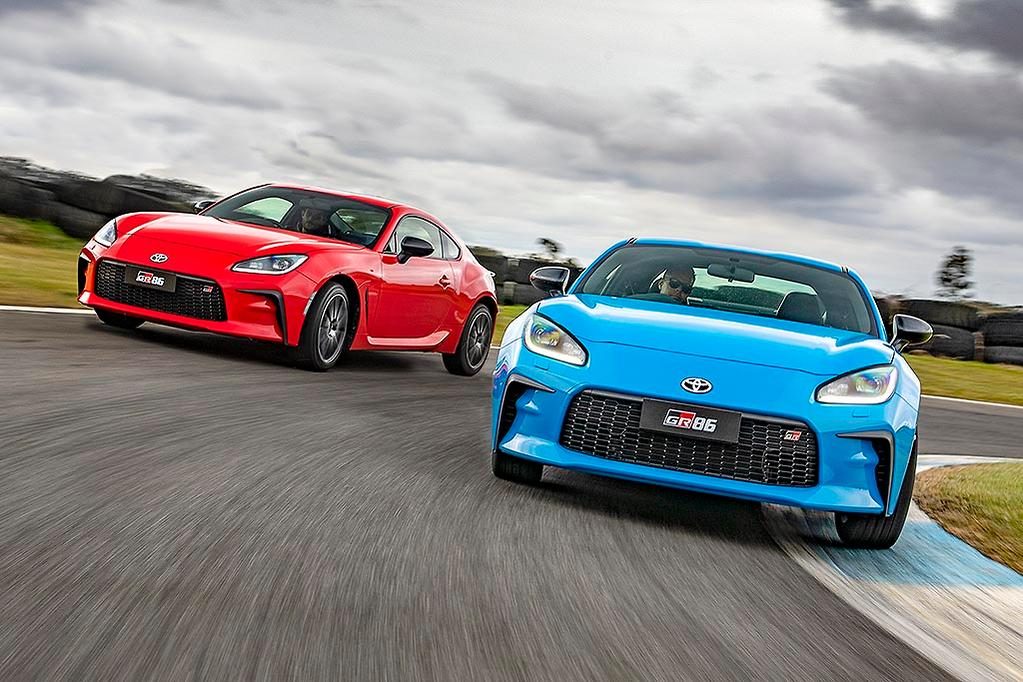
The next GR86 and MX-5 won’t just share parts—they’ll share philosophy. Engineers from both sides are reportedly exploring ways to maintain purity while adapting to modern regulations. Weight reduction, compact dimensions, and near-perfect balance remain top priorities.
Toyota is expected to continue with a front-engine, rear-wheel-drive setup, while Mazda pushes for electric or hybrid assistance that feels natural. Insiders suggest Mazda’s SkyActiv-X engine tech could play a role. For Toyota, the focus will be sharper dynamics through Gazoo Racing expertise. I made a review of GR86 in Malay language. You can read it here
A Blend of Tradition and Modern Engineering
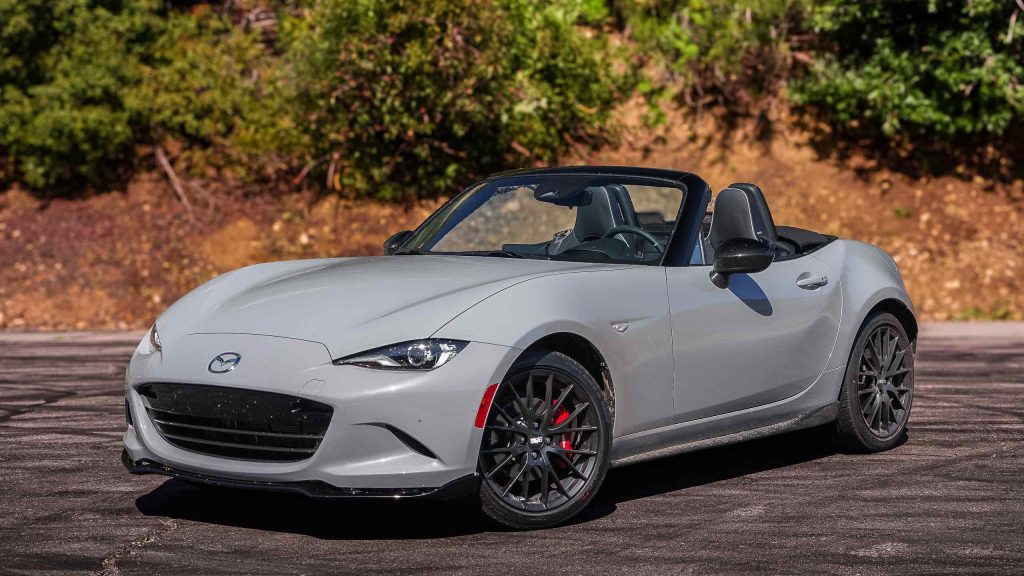
Electrification won’t kill the manual gearbox. Early reports claim both models will still offer a stick shift. That’s rare today. Toyota and Mazda seem determined to keep the analog feel that drivers crave.
This collaboration also reflects Japan’s strategic response to a changing market. Sports cars are becoming harder to justify commercially, but shared R&D keeps them viable. Together, both brands can cut costs and extend the life of the segment.
What to Expect from the Partnership
If rumors hold true, the twin models may launch around 2026 or 2027. Expect a lightweight chassis, rear-wheel drive, and tight proportions. Power outputs might hover around 200 horsepower, focusing more on balance than brute strength.
Mazda’s role could lean toward tuning the feel and responsiveness. Toyota, on the other hand, may refine performance and global marketing through its GR network. The result could be two cars that look different but drive with the same precision.
The Future of Japanese Sports Cars
In an era dominated by EVs and SUVs, this project feels like a rebellion. It’s a nod to car enthusiasts who still love the road. Mazda and Toyota are not just reviving a car — they’re reviving a culture.
If they succeed, we might see a new golden age of affordable, pure sports cars. One that proves driving joy still matters, even in a world racing toward electrification.


 Yusri Ng