 Akmal Azhar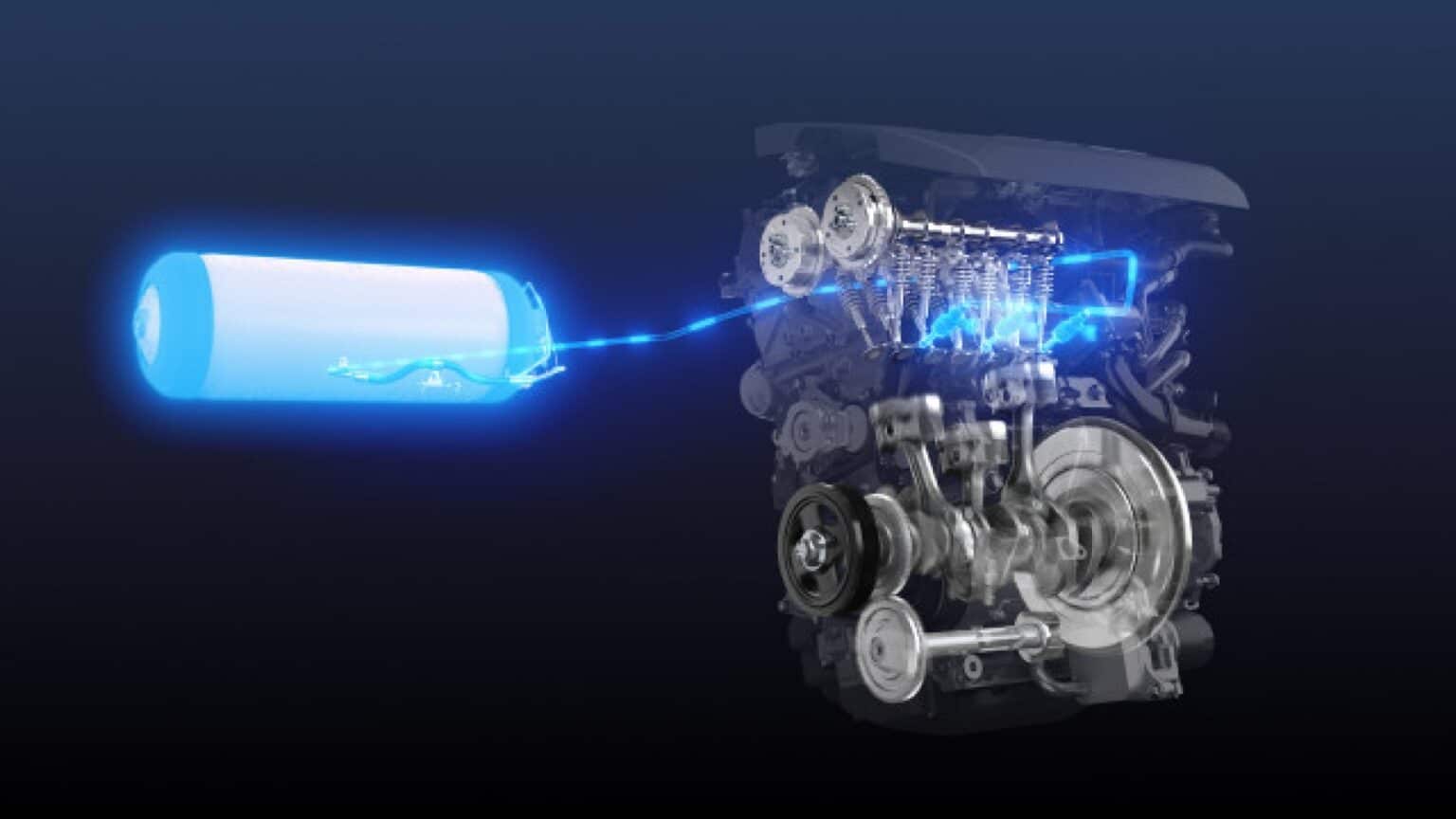
AVL RACETECH, the high-performance division of AVL, has developed a groundbreaking hydrogen-fueled internal combustion engine. First revealed in 2022 and gaining renewed attention in 2025, the engine is seen as a potential alternative to both traditional gasoline engines and electric drivetrains in motorsport and beyond.
How Water Injection Transforms Combustion
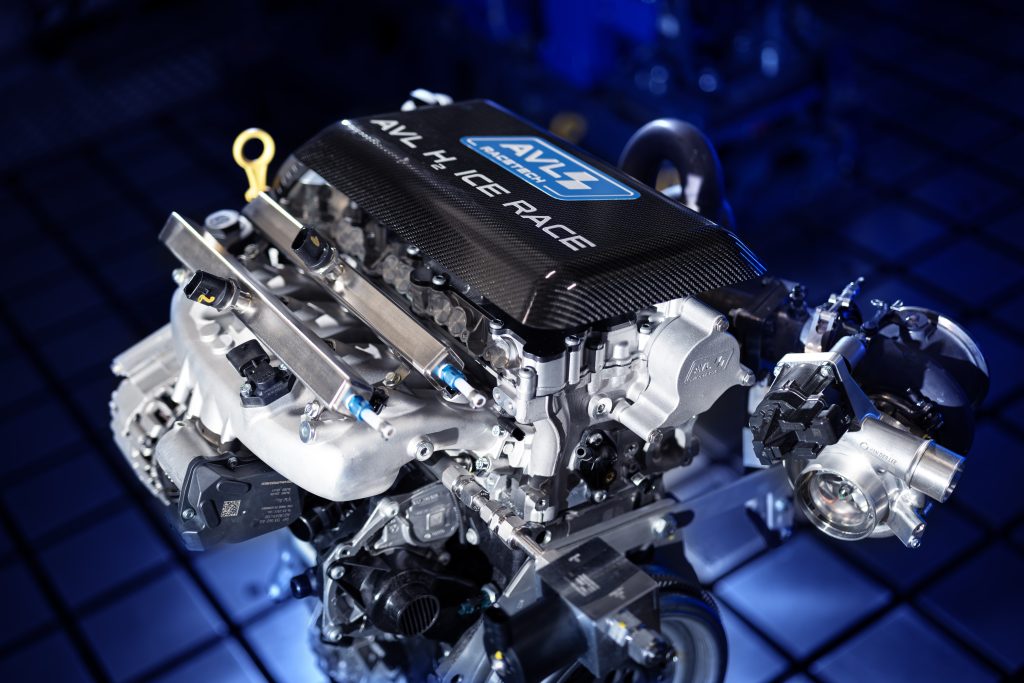
Instead of relying on lean-burn combustion, which limits performance, the AVL hydrogen engine operates at a stoichiometric air-fuel ratio (lambda = 1), maintaining higher power levels. This is made possible by a sophisticated water injection system that cools the combustion chamber. This cooling prevents knocking and pre-ignition, two common problems in hydrogen combustion. It also allows increased turbocharger boost and improved combustion efficiency.
Impressive Power and Torque Output
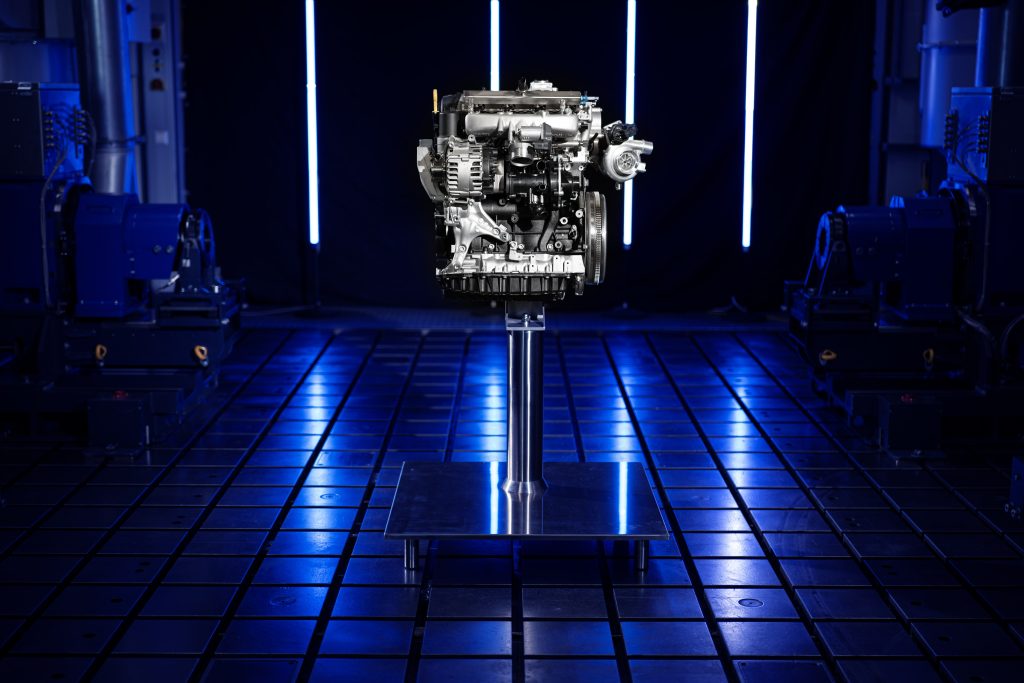
Testing at AVL’s facility in Graz, Austria, showed the 2.0-liter turbocharged engine produces 410 horsepower (301.7 kW) at 6,500 rpm and 500 Nm of torque between 3,000 and 4,000 rpm. These numbers represent a specific power of 150 kW per liter, putting it on par with current high-performance motorsport engines that typically run on gasoline.
Retaining Traditional Engine Architecture
One of the key advantages of AVL’s hydrogen engine is that it remains based on the architecture of a conventional internal combustion engine. This means manufacturers and motorsport teams can adapt existing platforms without major design overhauls. The hydrogen adaptation is both cost-effective and technically feasible.
Motorsport-Grade Hydrogen Performance
Project lead Paul Kapus emphasized how rare it is to achieve such performance with hydrogen combustion while staying within the limits of conventional engine architecture. The technology allows motorsport applications to benefit from clean energy without sacrificing engine response or power delivery.

 Zakirin