 Akmal Azhar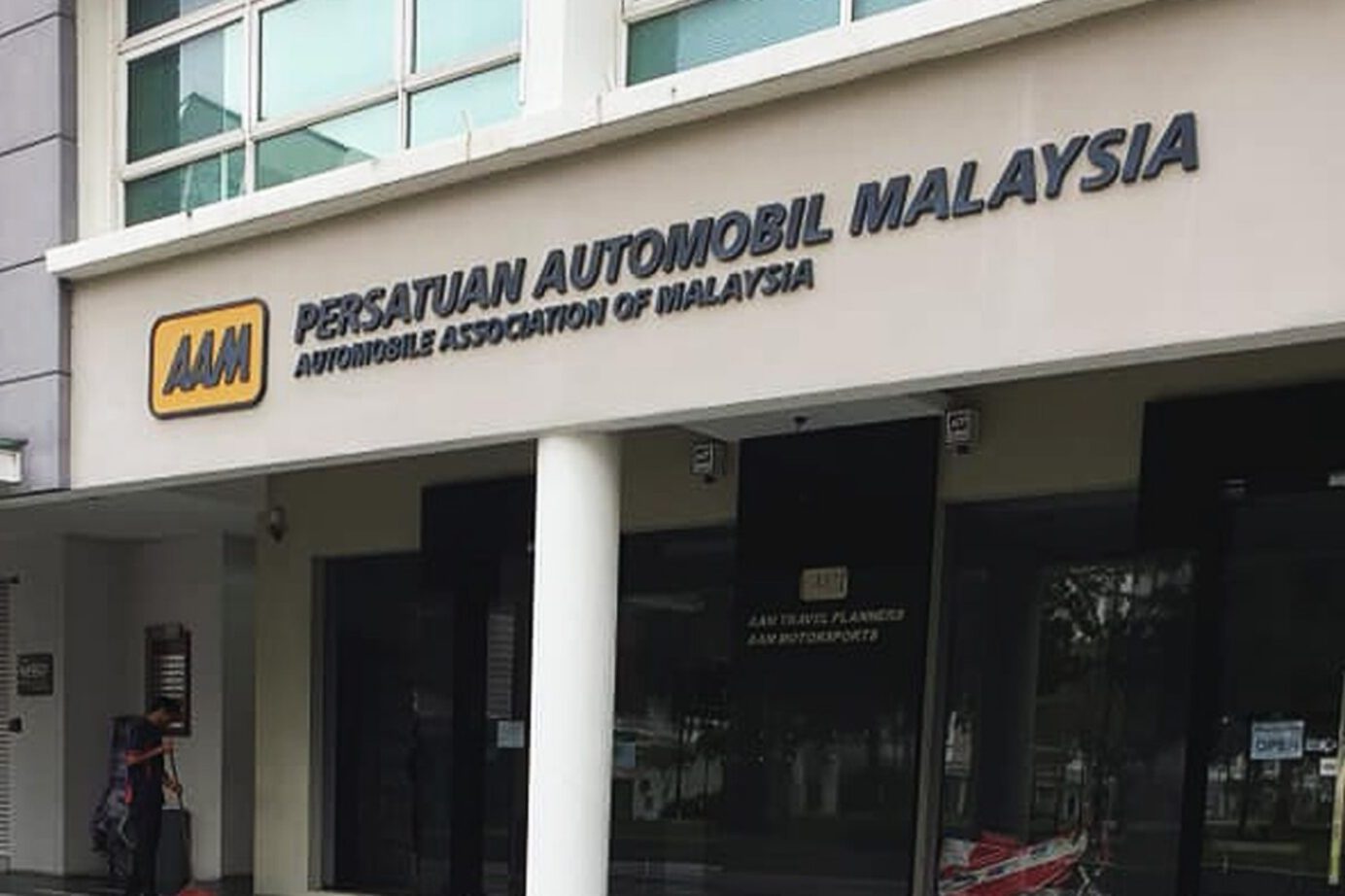
The Malaysian Automotive Association (MAA) has called for a significant shift in how vehicles are taxed in Malaysia. This move could usher in a more transparent and equitable system for both manufacturers and consumers. The current tax structure, described as opaque and outdated, has long been criticized for lacking clarity and fairness. Under the existing regime, vehicle prices are influenced by a complex set of duties and excise taxes, often leading to inflated pricing without a clear understanding of cost breakdowns.
Push for Transparency and Standardization
The proposed reform centers around the implementation of a fixed, transparent tax structure that would apply consistently across all vehicle types and brands. This would replace the current practice where the final selling price is heavily influenced by negotiated margins and variable excise duty rates. MAA President Mohd Shamsor Mohd Zain emphasized that the new system should be formula-based, allowing consumers and industry players alike to understand precisely how a car’s price is derived.
He noted that Malaysia’s automotive taxation system is one of the least transparent in the region, causing confusion and mistrust among buyers. By standardizing the tax calculation, Malaysia could align more closely with international practices and foster a healthier, more competitive automotive market.
Impact on Vehicle Pricing and Consumer Confidence
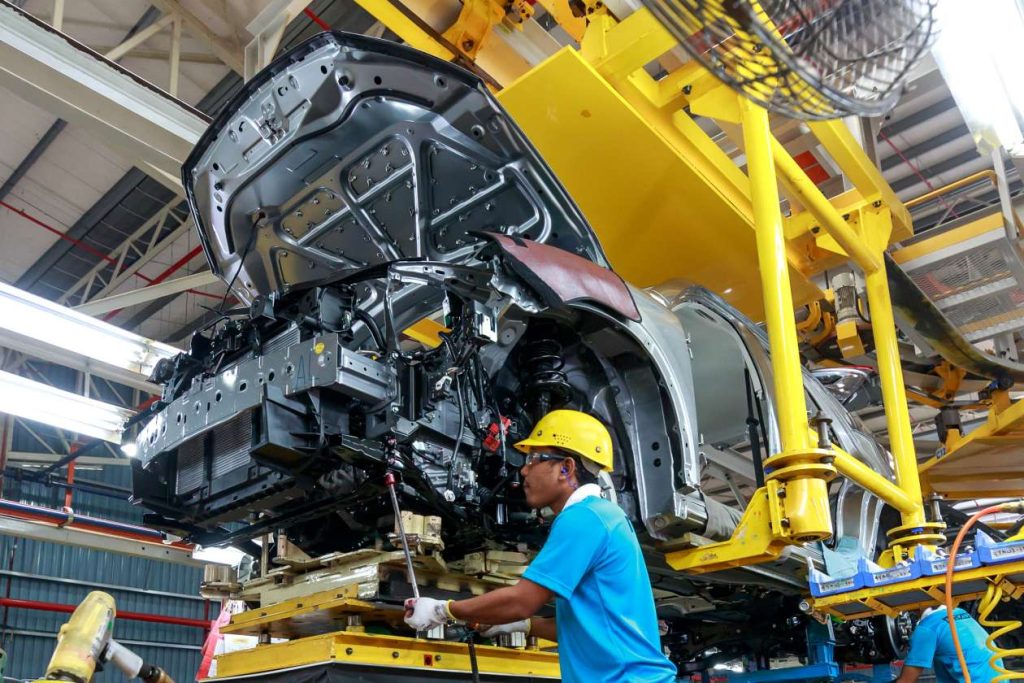
A fixed tax structure could significantly impact vehicle affordability. Currently, car prices can vary widely even among models with similar specifications due to the discretionary nature of excise duties. This inconsistency often leads to perceptions of unfair pricing and fuels speculation. With a formulaic system in place, it would be easier for consumers to compare vehicles based on actual value, rather than attempting to decode the tax layers embedded in the price.
The move also holds potential to attract more foreign investment into the country’s automotive sector. A transparent taxation framework signals a mature, investor-friendly environment that aligns with Malaysia’s aspirations to become a regional automotive hub.
Government Support Will Be Crucial
While the MAA has made a compelling case, the actual implementation of a fixed tax system depends heavily on the government’s willingness to review and revise existing policies. Past proposals for reform have met with resistance due to potential revenue impacts and concerns over how it would affect the pricing of locally assembled versus imported vehicles.
However, with changing consumer expectations and increased global scrutiny on trade practices, the timing may finally be right for such a bold transformation. The government has yet to officially respond to MAA’s latest appeal, but industry stakeholders are hopeful that discussions will gain momentum in the near future.
A Turning Point for the Industry
This proposal marks a pivotal moment for Malaysia’s automotive landscape. A clear and fair taxation model could restore public trust, improve market efficiency, and support broader national goals of economic reform and sustainability. If successfully implemented, it may reshape the way vehicles are bought and sold in Malaysia for generations to come.


 Zakirin