 Akmal Azhar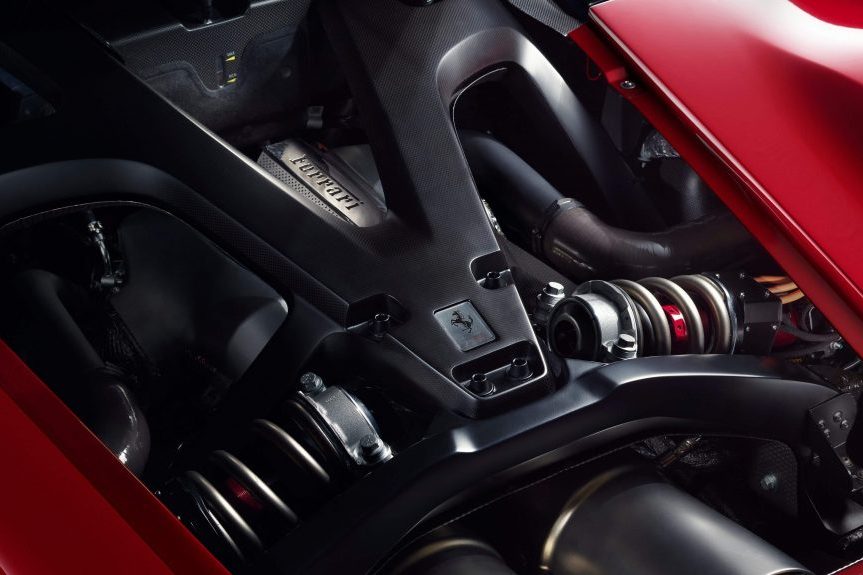
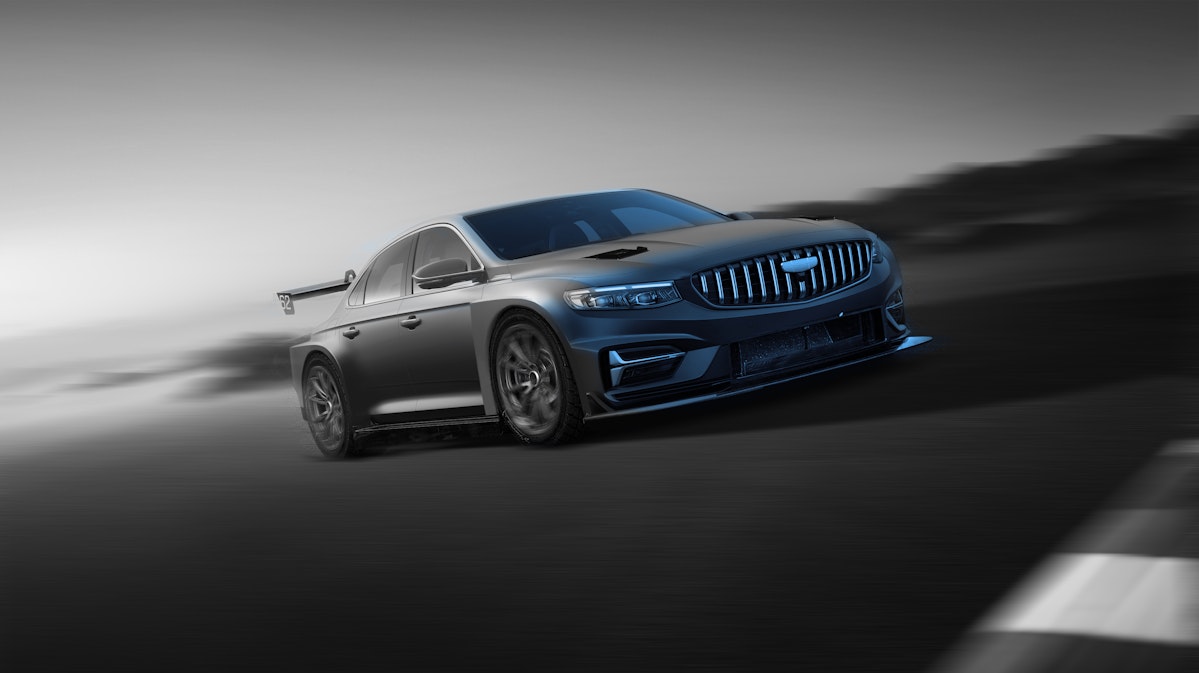
A seismic shift in automotive engineering has arrived: a brand-new hybrid supercar unleashing an astonishing 1,184 horsepower. This marvel of engineering draws deeply from the worlds of Formula 1 and aerospace, merging their pioneering technologies into a road-ready powerhouse. The result? A vehicle poised to redefine performance benchmarks and usher in a new era of high-horsepower electrified machines.
Hybrid Powertrain Inspired by Racing

At the heart of this revolution is a twin-turbocharged V6 hybrid system, replacing Ferrari’s traditional V8 and V12 powerplants. The hybrid architecture integrates electric motors—a front‑mounted MGU-K and rear units—alongside the combustion engine, collectively contributing approximately 296 hp of the total 1,184 hp output.
Such power delivery echoes the hybrid systems deployed in Ferrari’s Formula 1 and endurance racing vehicles like the 499P, delivering both raw energy and efficient torque distribution.
Formula 1 Technology Brought to the Street

From Formula 1, this supercar inherits lightweight engineering, aerodynamic precision, and powertrain intelligence. Components like carbon-fiber structures, electric-assisted turbos, and F1-grade hybrid deployment exemplify the translation of racetrack innovation into street-legal excellence.
Its electric turbos enhance mid-low RPM response, reducing lag and ensuring blisteringly fast acceleration.
NASA’s Engineering Influence

NASA’s impact is equally unmistakable. Structural design elements such as sharp-edged panels, dihedral cross-sections, and massive side vents draw inspiration from aerospace engineering—mimicking NASA-developed ventilation systems to optimize aerodynamics and thermal management.
Additive manufacturing, another crossover from the space sector, accelerates prototyping and reduces complexity through intricate part design.
Design That Blends Speed and Science

The car’s shell embodies these influences: sleek, aggressive, and cut from the seared edge where aerospace meets automotive. Inside, the cabin replicates the focused environment of an F1 cockpit, placing the driver at the center of control and engagement.
Performance with a Purpose

This fusion of disciplines isn’t just for show—it addresses regulatory pressures, consumer demands, and the performance expectations of the 1,000 hp club. As governments push for cleaner technologies and automakers face rising R&D costs, hybridization has emerged as a key strategy to maintain performance without sacrificing compliance or efficiency.
Ferrari’s commitment is evident: the new Maranello factory is fully geared towards electrification, signaling the brand’s pivot toward high-octane yet sustainable future driving.
A Supercar That Redefines Innovation
This 1,184-hp hybrid is more than just a supercar. It is a statement of intent—one that draws on the frenetic energy of Formula 1 and the precision of aerospace to deliver a vehicle that isn’t merely fast, but technologically sophisticated and future-ready. Whether it becomes the gold standard remains to be seen, but one fact is clear: bridging racetrack ingenuity with space-age engineering has created a machine worthy of rewriting the rulebook.


 Yusri Ng