 Akmal Azhar
Maintaining your vehicle involves more than just regular oil changes and tire pressure checks. Two crucial yet often overlooked services are tire balancing and wheel alignment. Though they sound similar, they serve distinct purposes and address different issues in your vehicle’s performance.
Tire Balancing
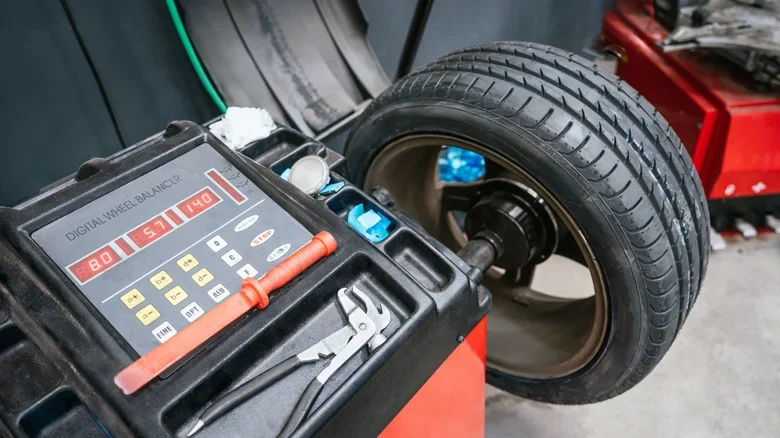
Tire balancing ensures that the weight of the tire and wheel assembly is evenly distributed. During this service, technicians remove the wheels and tires, strip any existing weights, and mount them on a specialized machine. This machine spins the tire to detect any abnormalities, vibrations, or irregular wear. Based on the data, technicians add precise weights to balance the tire, promoting smoother rotation. Properly balanced tires contribute to a longer tire lifespan and improved fuel efficiency.
Wheel Alignment
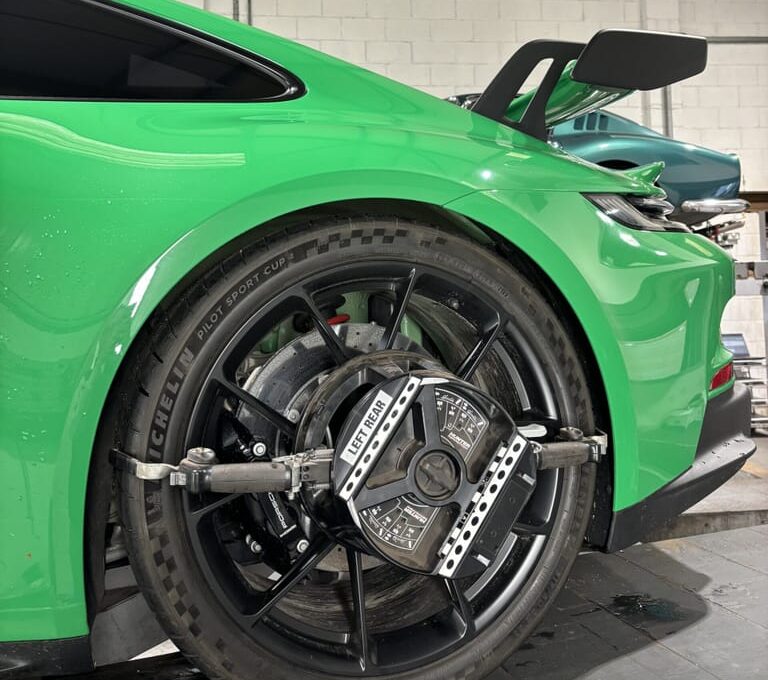
Wheel alignment, in contrast, focuses on adjusting the angles of the wheels to the manufacturer’s specifications. Using a specialized rack and sensors attached to each wheel, a computer system collects data on wheel angles. Technicians then adjust these angles to ensure the wheels are correctly aligned. Proper alignment prevents uneven tire wear, keeps the steering wheel centered, and protects the suspension system.
Signs of Imbalance or Misalignment
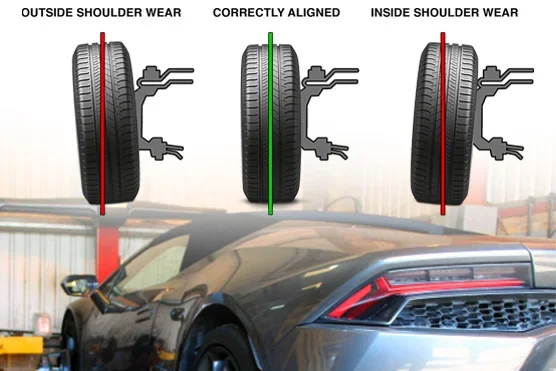
Recognizing the signs of imbalance or misalignment is essential. If you experience vibrations or a shaky steering wheel while driving—especially when not braking—it may indicate that your tires are out of balance. On the other hand, if your vehicle pulls to one side or the steering wheel is off-center, it could suggest a wheel alignment issue. In either case, consulting a professional mechanic is advisable to diagnose and address the problem accurately.
Why Regular Maintenance Matters
Regular tire balancing and wheel alignment are vital for optimal vehicle performance, safety, and longevity. By understanding their differences and recognizing the signs of each, you can ensure a smoother and more efficient driving experience.


 Zakirin