 Akmal Azhar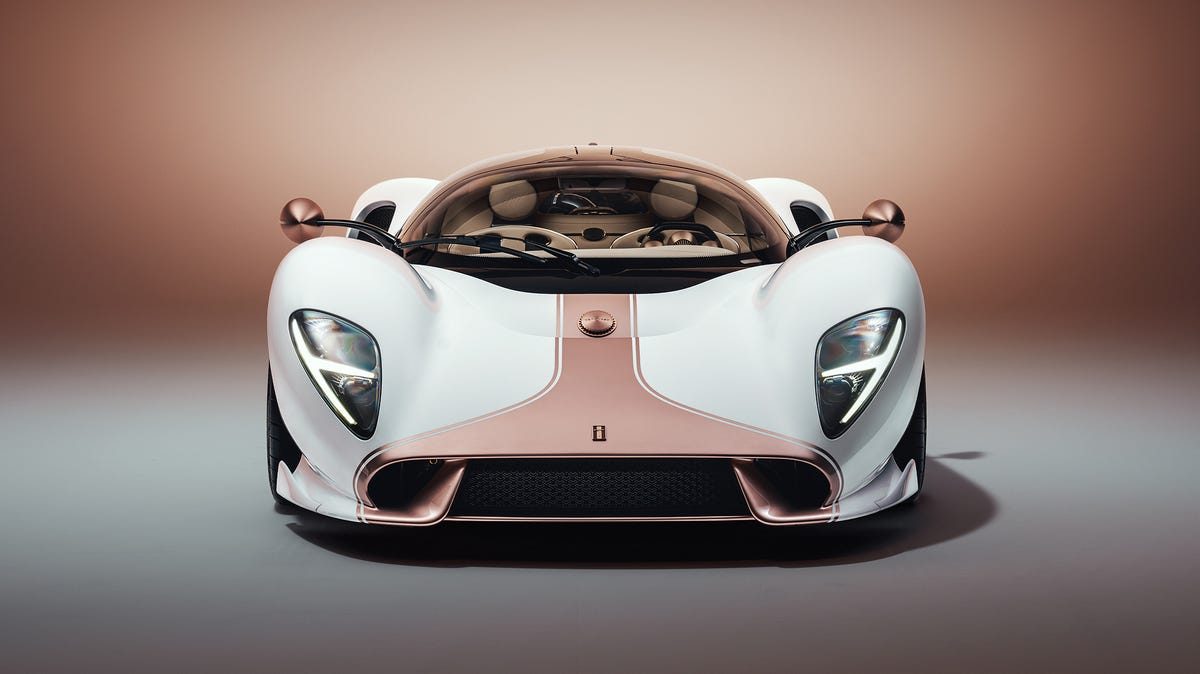
The De Tomaso P72 has finally emerged in its production-ready form, marking a triumphant return for the storied Italian marque. Unveiled at the 2019 Goodwood Festival of Speed, the P72 captivated enthusiasts with its retro-inspired design and analog driving ethos. Now, after years of meticulous development, the production-spec P72 is set to deliver a pure, unadulterated driving experience that harks back to the golden era of motoring.
Design and Heritage
The P72’s design is a homage to the 1965 De Tomaso P70, a collaboration between Alejandro De Tomaso and Carroll Shelby. Its curvaceous bodywork, flowing lines, and teardrop-shaped cabin evoke the aesthetics of 1960s endurance racers. The production model stays true to the original concept, featuring a carbon fiber monocoque chassis constructed from a single piece of carbon fiber, ensuring both rigidity and lightness .
The exterior is adorned with rose gold accents, including the wheels, mirror caps, and striping, adding a touch of opulence to its vintage-inspired appearance. Functional enhancements, such as redesigned window cutouts and an updated rear diffuser, have been integrated to improve aerodynamics without compromising the car’s classic silhouette .
Interior: A Return to Analog
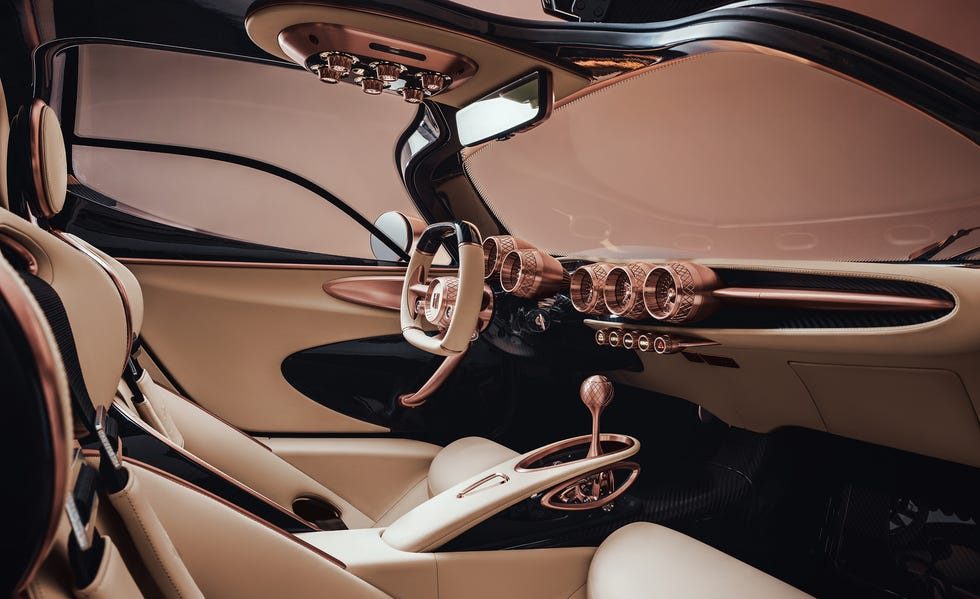
Inside, the P72 rejects modern digital trends in favor of a tactile, analog experience. The cabin is devoid of screens and infotainment systems, focusing instead on hand-stitched leather upholstery, exposed carbon fiber, and machined aluminum gauges finished in rose gold. An exposed linkage shifter serves as a centerpiece, connecting the driver directly to the six-speed manual transmission .
This deliberate choice to eschew digital distractions underscores De Tomaso’s commitment to delivering a pure driving experience. A discreet phone holder is the only concession to modern connectivity, allowing drivers to stay connected without detracting from the car’s analog charm .
Performance and Engineering
At the heart of the P72 lies a supercharged 5.0-liter V8 engine, developed in collaboration with Roush Performance. This powerplant produces 700 horsepower and 604 lb-ft of torque, channeling power to the rear wheels through a six-speed manual gearbox. The engine’s design draws inspiration from 1960s headers, reinforcing the car’s retro ethos .
The P72 features a pushrod suspension system with three-way manually adjustable dampers, allowing drivers to fine-tune the car’s handling characteristics. This setup emphasizes driver engagement and mechanical purity over electronic aids and drive modes, aligning with the car’s overall philosophy .
Production and Exclusivity
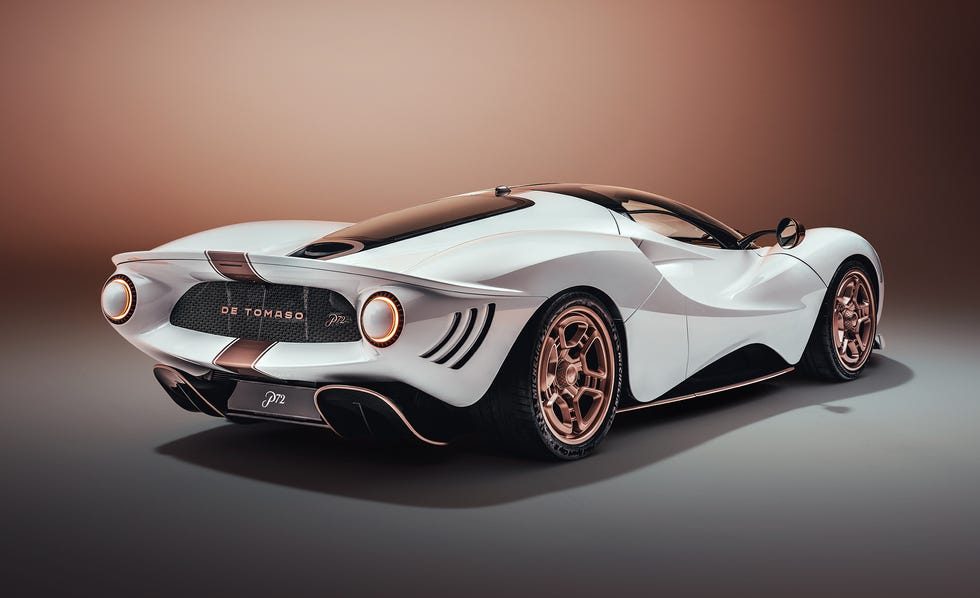
De Tomaso plans to produce only 72 units of the P72, each tailored to the individual specifications of its owner. This limited production run ensures exclusivity and allows for a high degree of personalization, from heritage-inspired paint finishes to bespoke interior materials. Deliveries are scheduled to commence in late 2025, marking the culmination of a six-year journey from concept to reality .
Conclusion
The De Tomaso P72 stands as a testament to the enduring allure of analog motoring. By blending timeless design, artisanal craftsmanship, and mechanical purity, it offers a driving experience that transcends modern conventions. For enthusiasts seeking a visceral connection to the road, the P72 delivers an evocative homage to a bygone era, reimagined for the present day.

 Zakirin