 Akmal Azhar
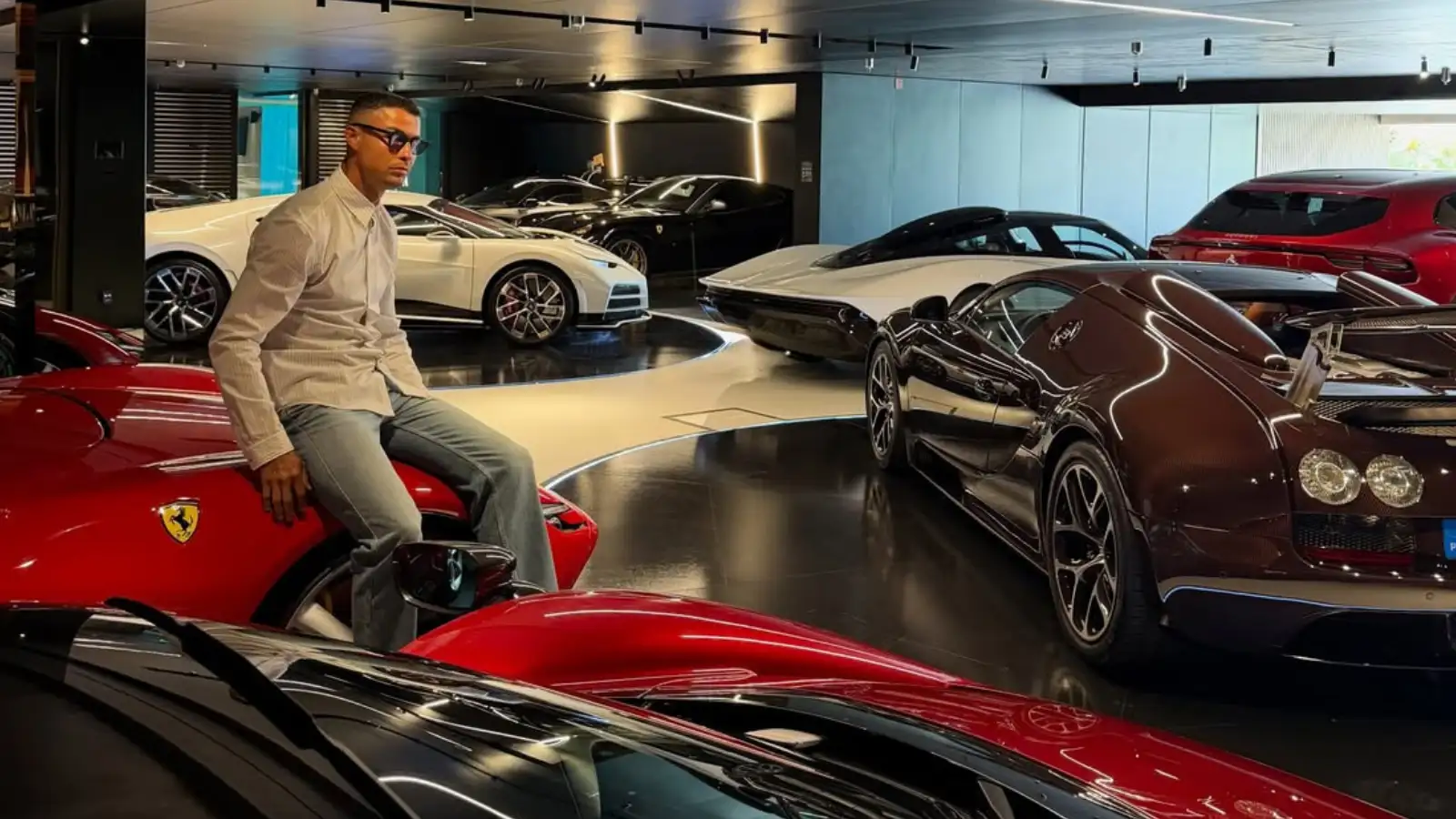
In a seismic shift for the automotive world, Croatian electric hypercar pioneer Rimac has assumed 100% ownership of the legendary French brand Bugatti, marking the culmination of a partnership that began in 2021.
This move signals not just a corporate takeover but a philosophical merger of cutting-edge electrification and century-old combustion heritage, setting the stage for a revolution in high-performance motoring.
From Partnership to Full Ownership: The Deal’s Backstory
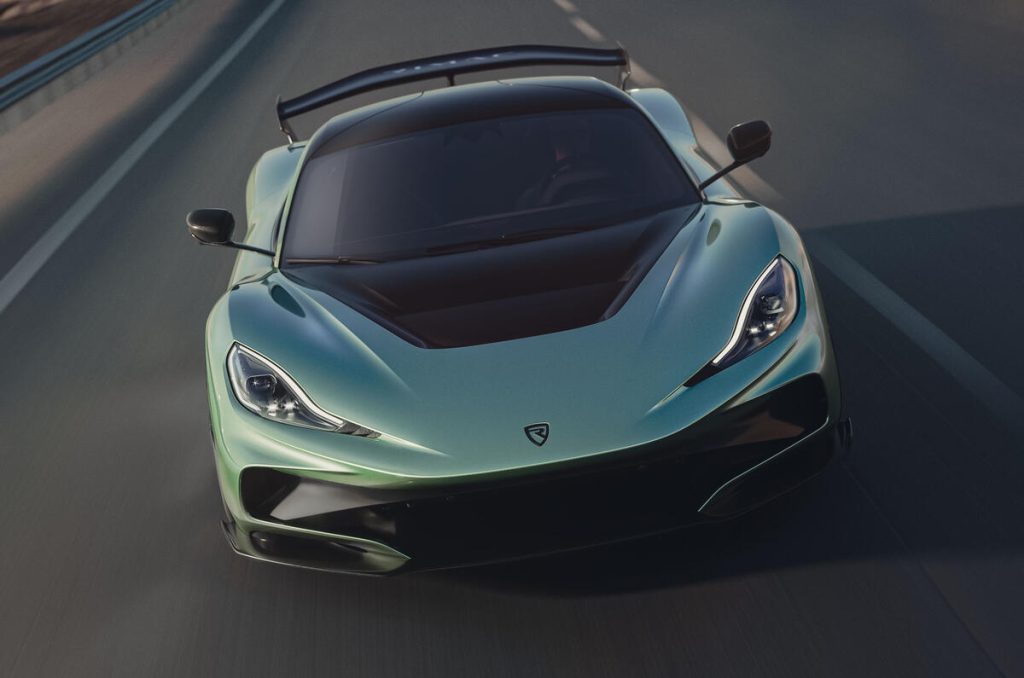
When Rimac and Bugatti first joined forces under Volkswagen Group’s orchestration in 2021, the arrangement was structured as a 45:55 joint venture, dubbed “Bugatti Rimac,” with Rimac holding the minority stake.
Fast-forward to today, and the Croatian tech wunderkind—led by 35-year-old CEO Mate Rimac—has acquired the remaining shares, placing both brands entirely under the Rimac Group umbrella.
The transition was quietly set in motion when Porsche (a key Rimac investor) and Volkswagen Group realigned their strategies, prioritizing mass-market electrification over niche hypercars.
For Bugatti, this meant finding a steward capable of preserving its legacy while propelling it into the future—a role Rimac has embraced with audacious ambition.
Why Rimac? The Synergy of Extremes
At first glance, the pairing seems paradoxical: Bugatti, the epitome of combustion-powered excess, famous for the 300+ mph Chiron, and Rimac, the EV disruptor behind the 1,914 hp Nevera. Yet beneath the surface, their alliance is strikingly logical.
Rimac brings to Bugatti:
- Battery and software expertise honed through the Nevera, the world’s fastest-accelerating production car
- Lightweight materials innovation, crucial for offsetting battery weight
- AI-driven performance systems that could redefine Bugatti’s dynamic envelope
Bugatti offers Rimac:
- Unrivaled craftsmanship and a 110-year heritage of automotive artistry
- Exclusive clientele accustomed to seven-figure price tags
- Aerodynamic and cooling know-how from extreme combustion engines
Mate Rimac himself frames the acquisition as a “custodianship”: “We’re not here to turn Bugatti into an EV brand overnight. We’re here to blend the best of both worlds.”
The First Fruits: What’s Next for Bugatti
Insiders hint at three imminent developments under Rimac’s full control:
- The Chiron’s Successor (2027)
Expected to debut as a hybrid hypercar, pairing a radically evolved W16 engine with Rimac’s axial-flux electric motors. Early rumors suggest a combined 1,800+ hp and all-electric mode for city driving—a first for Bugatti. - The “Bugatti EV” (2030)
A ground-up electric model, leveraging Rimac’s solid-state battery tech, is confirmed for the decade’s end. Its design will reportedly pay homage to the Type 57SC Atlantic, with a focus on grand touring luxury over outright speed. - Digital Revolution
Bugatti’s famously analog cabins will gain Rimac’s AI copilot system, capable of adjusting performance parameters based on driver biometrics—a feature teased in the Nevera.
The Quirks Only True Enthusiasts Will Notice
Beyond the headlines, Rimac’s influence is already visible in subtle, unexpected touches:
- The “Croatian Connection”
The Chiron’s successor will use Rimac-sourced carbon-fiber monocoques, woven in a secretive facility near Zagreb. Each will bear a tiny Croatian checkerboard emblem alongside Bugatti’s signature grille. - Sound Engineering
To preserve the W16’s theatrical roar in hybrid mode, Rimac developed “Emotional Resonance” tech—microphones that amplify engine notes through cabin speakers when in combustion mode, then seamlessly switch to synthesized EV sounds inspired by Bugatti’s vintage racers. - The “Hidden Handshake”
Owners of both a Nevera and a future Bugatti will unlock shared software features, like a virtual garage where the cars “communicate” via ambient lighting sequences.
Challenges Ahead: Tradition vs. Transformation
Not all Bugatti loyalists are celebrating. Purists worry electrification will dilute the brand’s soul, pointing to the failed “EB 110” revival of the 1990s as cautionary precedent. Others question whether Rimac’s tech-first approach can coexist with Bugatti’s bespoke coachbuilding traditions.
Mate Rimac anticipates these concerns: “Bugatti will always have a soul. We’re just giving it a new nervous system.” His trump card? A pledge that no future Bugatti will weigh over 2,000 kg, defying industry trends toward heavier EVs.
The Bigger Picture: What This Means for Hypercars
Rimac’s takeover underscores a broader industry pivot:
- Legacy brands need disruptors to survive electrification
- Performance is no longer just about power—software is the new battleground
- Exclusivity now demands innovation; billionaires want tech bragging rights alongside speed
As the first Rimac-controlled Bugatti takes shape, one thing is certain: the hypercar rulebook isn’t just being rewritten—it’s being rebooted.
Key Takeaways for Enthusiasts:
- Hybrid, not full-EV, is Bugatti’s immediate future
- Rimac’s tech will focus on driver engagement, not just acceleration
- The Bugatti-Rimac client experience will merge French luxury with Silicon Valley-style updates
For Investors:
- Rimac’s valuation could double by 2030 if Bugatti integration succeeds
- The “Ultra High-Net-Worth Individual” market remains recession-proof
For Competitors:
- Ferrari’s upcoming hypercar now faces a tech-savvy rival
- Koenigsegg’s focus on combustion may look increasingly isolated
The message is clear: in the hypercar arms race, Rimac just seized the high ground.


 Zakirin