 Akmal Azhar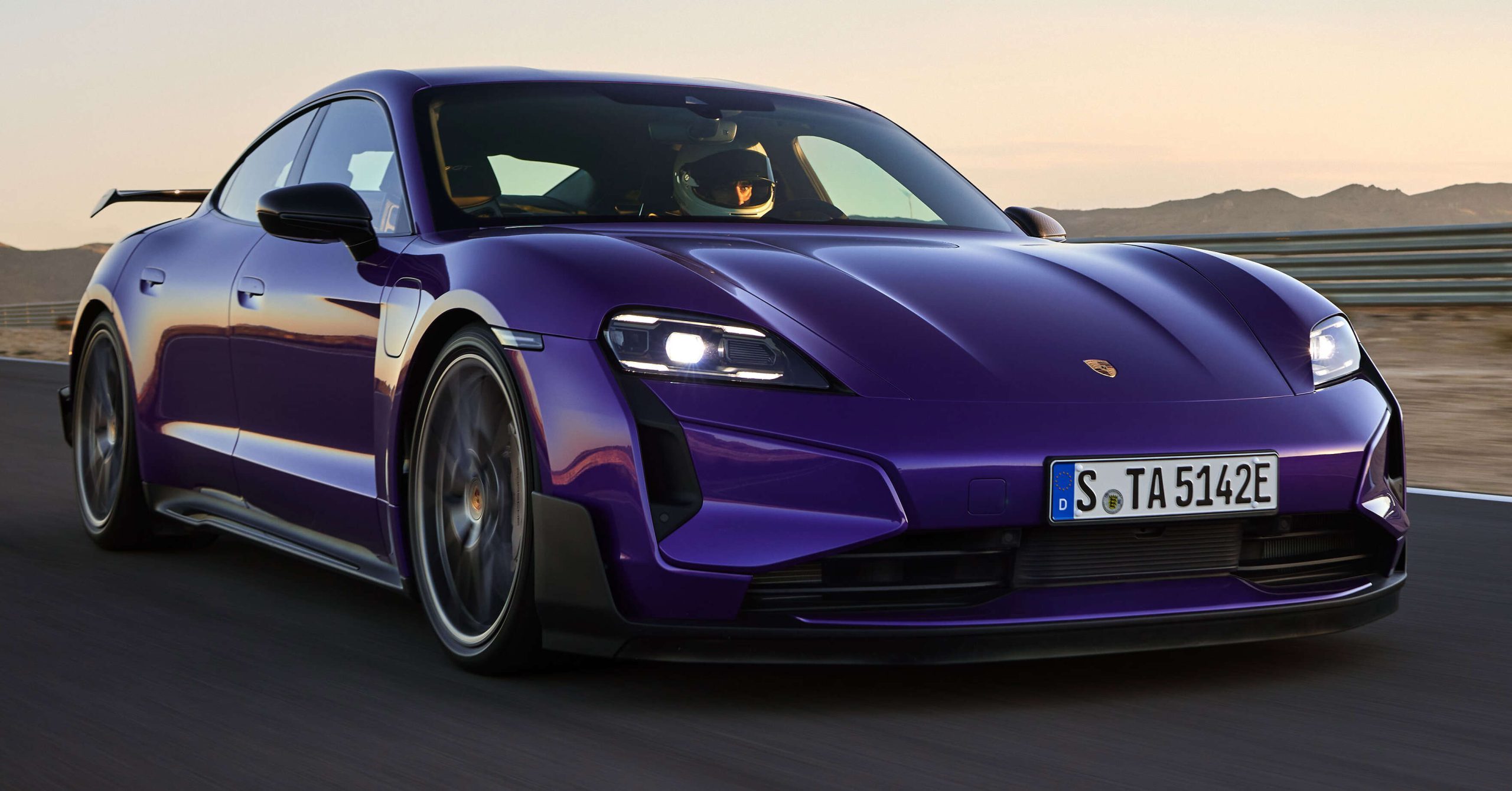
Porsche’s Electric Revolution: How an EV Outperformed a 911 Turbo S on an F1 Racetrack
The automotive world is witnessing a seismic shift as electric vehicles (EVs) continue to challenge and, in some cases, surpass the performance of traditional internal combustion engine (ICE) cars. In a recent and groundbreaking development, Porsche’s latest electric vehicle (EV) has made headlines by outperforming the iconic 911 Turbo S around a Formula 1 racetrack.
This achievement is not just a win for Porsche but a significant milestone in the evolution of electric mobility, proving that EVs are no longer just eco-friendly alternatives—they are serious contenders in the realm of high-performance driving.
The Battle of Power and Precision
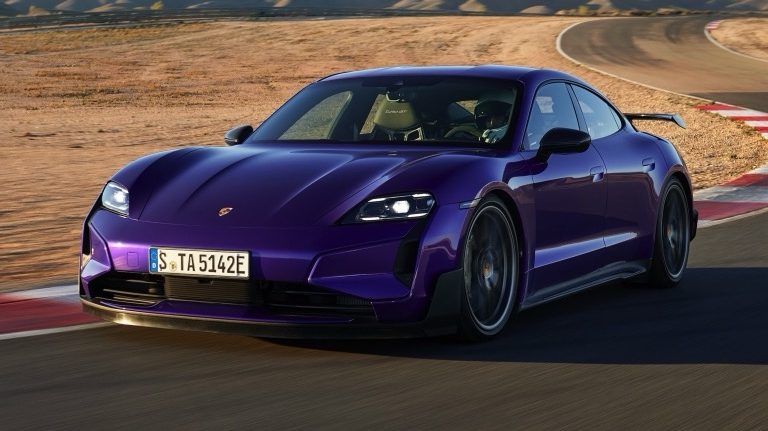
The Porsche 911 Turbo S has long been regarded as a benchmark for performance cars. With its twin-turbocharged flat-six engine producing 640 horsepower, all-wheel drive, and a 0-60 mph time of just 2.6 seconds, the 911 Turbo S is a marvel of engineering.
It has consistently set the standard for speed, agility, and driving dynamics, earning its place as one of the most revered sports cars in the world.
However, Porsche’s foray into electric mobility has introduced a new contender that is rewriting the rules. The unnamed EV, which is speculated to be a prototype or a pre-production model of an upcoming high-performance electric Porsche, recently took to an F1 racetrack to prove its mettle.
The results were nothing short of astonishing. The EV not only matched the 911 Turbo S in terms of speed but also demonstrated superior handling, acceleration, and overall performance, ultimately securing a faster lap time.
The Technology Behind the Triumph
The key to the EV’s success lies in its advanced electric powertrain and cutting-edge technology. Unlike traditional ICE vehicles, electric cars deliver instant torque, providing immediate acceleration from a standstill.
This characteristic gives EVs a significant advantage in scenarios requiring rapid bursts of speed, such as exiting corners on a racetrack. Porsche’s EV is equipped with a state-of-the-art electric motor system that delivers jaw-dropping power and efficiency, enabling it to outperform even the most capable ICE vehicles.
Another critical factor is the EV’s weight distribution. Electric vehicles typically have their heavy battery packs mounted low in the chassis, resulting in a lower center of gravity. This design enhances stability and cornering capabilities, allowing the EV to maintain higher speeds through turns without compromising control.
Additionally, Porsche’s expertise in chassis tuning and aerodynamics ensures that the EV remains planted and responsive, even under extreme driving conditions.
Regenerative braking is another area where the EV shines. By converting kinetic energy back into electrical energy during deceleration, regenerative braking not only improves efficiency but also provides consistent and precise braking performance.
This feature is particularly advantageous on a racetrack, where braking stability and control are paramount.
The Role of Software and AI
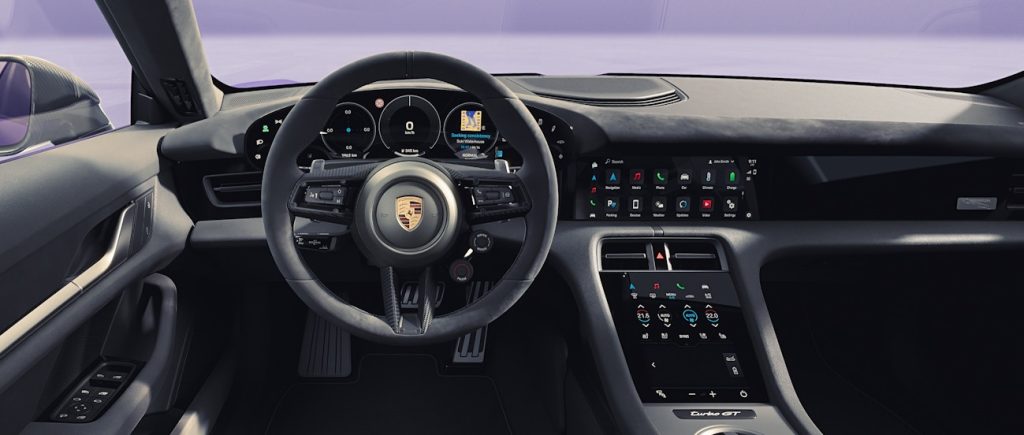
Beyond hardware, software plays a crucial role in the EV’s performance. Porsche has integrated advanced driver-assistance systems (ADAS) and artificial intelligence (AI) into the vehicle, optimizing its performance in real-time.
The EV’s onboard computer continuously analyzes data from sensors, cameras, and GPS to adjust power delivery, torque distribution, and suspension settings, ensuring optimal performance for every corner and straightaway.
The AI-driven systems also provide real-time feedback to the driver, offering insights into driving techniques and track conditions. This level of integration between hardware and software creates a seamless and intuitive driving experience, allowing even amateur drivers to extract maximum performance from the vehicle.
A New Era for Porsche and Electric Mobility
Porsche’s achievement is not just a testament to its engineering prowess but also a clear indication of where the automotive industry is headed.
As governments worldwide implement stricter emissions regulations and consumers increasingly prioritize sustainability, automakers are investing heavily in electric mobility. Porsche, a brand synonymous with performance and luxury, is leading the charge by demonstrating that electric vehicles can deliver the thrill and excitement traditionally associated with high-performance ICE cars.
The success of Porsche’s EV on the racetrack also underscores the brand’s commitment to innovation. By pushing the boundaries of what is possible with electric technology, Porsche is setting new standards for performance, efficiency, and sustainability. This achievement is likely to accelerate the development of future electric models, including the highly anticipated all-electric Porsche 718 and the next-generation Taycan.
Implications for the Automotive Industry
The implications of Porsche’s EV outperforming the 911 Turbo S extend far beyond the brand itself. This milestone serves as a wake-up call to other automakers, highlighting the potential of electric vehicles to dominate the high-performance segment.
It also challenges long-held perceptions about EVs, proving that they are not just practical and eco-friendly but also capable of delivering exhilarating driving experiences.
For consumers, this development is a game-changer. As electric vehicles continue to evolve, they are becoming increasingly accessible and appealing to a broader audience. The combination of cutting-edge technology, environmental benefits, and unmatched performance makes EVs an attractive option for car enthusiasts and everyday drivers alike.
The Road Ahead
While Porsche’s EV has proven its capabilities on the racetrack, the road ahead is not without challenges. The widespread adoption of electric vehicles depends on several factors, including the availability of charging infrastructure, battery technology advancements, and consumer acceptance.
However, milestones like this one demonstrate that the automotive industry is moving in the right direction.
Porsche’s success also highlights the importance of collaboration and innovation. By leveraging its expertise in performance engineering and embracing new technologies, Porsche is paving the way for a future where electric vehicles are not just viable alternatives but the preferred choice for drivers seeking performance, luxury, and sustainability.
Conclusion
Porsche’s electric vehicle outperforming the 911 Turbo S on an F1 racetrack is a defining moment in automotive history. It marks the beginning of a new era where electric vehicles are no longer constrained by preconceived limitations but are instead celebrated for their potential to redefine performance and innovation. As Porsche continues to push the boundaries of electric mobility, it is clear that the future of driving is electric—and it is faster, smarter, and more exciting than ever before. This achievement is not just a victory for Porsche but a triumph for the entire automotive industry, signaling the dawn of a new age in high-performance driving.

 Zakirin