 Akmal Azhar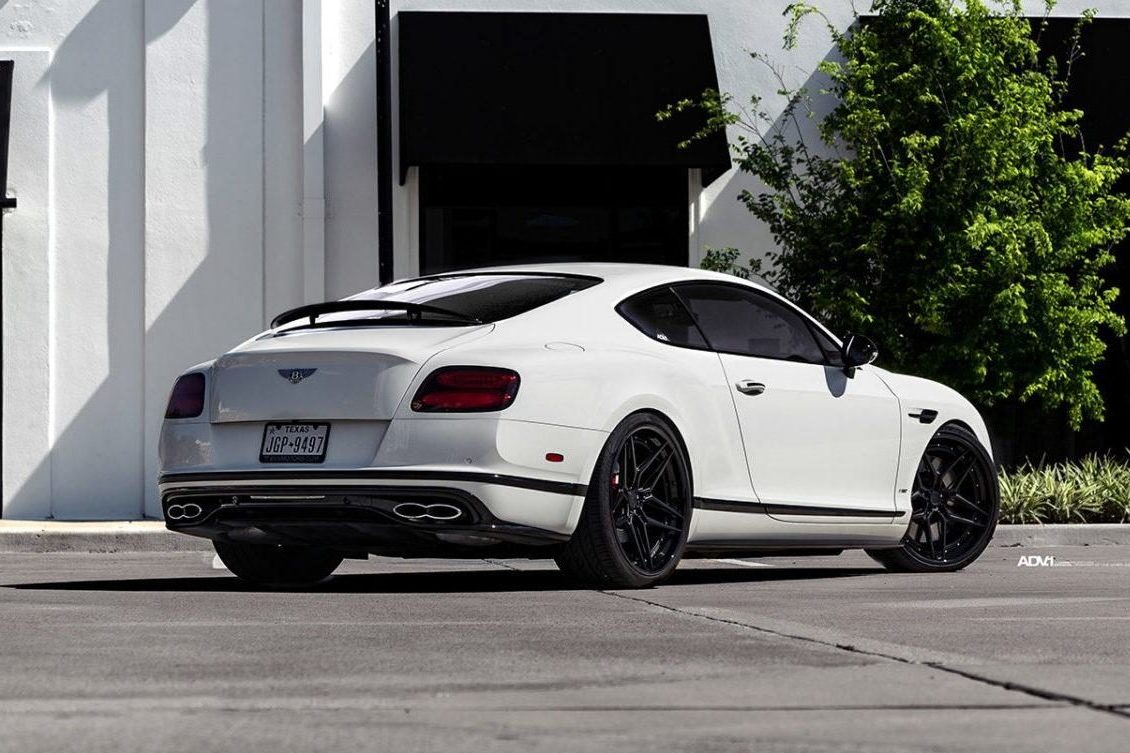
Bentley Motors is one of the most prestigious luxury automobile brands in the world, known for its unparalleled craftsmanship, innovative engineering, and rich heritage. The company’s journey from a small British automaker to a globally recognized symbol of luxury and performance has been shaped by changes in ownership, technological advancements, and a dedication to creating vehicles that merge power with elegance. From its inception in the early 20th century to its current status as a subsidiary of Volkswagen Group, Bentley has remained synonymous with automotive excellence. Understanding Bentley’s history, ownership, manufacturing processes, dimensions, unique qualities, and political influences offers a deeper appreciation of what makes the brand exceptional.
The origins of Bentley date back to 1919, when Walter Owen Bentley founded the company in Cricklewood, North London. His vision was to create high-performance vehicles that could compete in motorsport while also providing luxury and refinement. The first car produced under the Bentley name was the Bentley 3 Litre, which quickly gained recognition for its speed and durability. The brand became synonymous with racing success, particularly at the 24 Hours of Le Mans, where Bentley achieved multiple victories in the 1920s. These early successes solidified Bentley’s reputation as a builder of fast, reliable, and beautifully crafted automobiles. However, financial difficulties plagued the company, and in 1931, Bentley was acquired by its rival, Rolls-Royce, marking a new chapter in its history.
Under Rolls-Royce ownership, Bentley evolved into a brand that prioritized luxury as much as performance. The post-war period saw the relocation of Bentley’s manufacturing to Crewe, England, a facility that remains the brand’s headquarters today. The factory at Crewe became the heart of Bentley’s production, where skilled craftsmen and engineers continued to refine the brand’s signature blend of speed and sophistication. However, as Rolls-Royce itself faced financial challenges, Bentley underwent another significant ownership change in 1980 when Vickers PLC acquired Rolls-Royce Motors, taking Bentley along with it. This transition marked a renewed focus on Bentley as a distinct brand with its own identity, leading to the development of cars such as the Bentley Mulsanne and Turbo R.
In 1998, Bentley entered a new era when the Volkswagen Group acquired the brand from Vickers. This acquisition led to a significant transformation, as Volkswagen invested heavily in modernizing Bentley’s production facilities while preserving its commitment to craftsmanship. One of the most important aspects of this transition was Volkswagen’s investment of over £1 billion in the Crewe factory, ensuring that Bentley remained at the forefront of luxury automotive manufacturing. The Volkswagen era also saw the reintroduction of Bentley into the ultra-luxury market, with models like the Continental GT redefining the brand’s image and appealing to a younger, more dynamic clientele. By 2022, Bentley’s operations were further integrated into Volkswagen’s Audi division, reflecting a strategy to align the brand’s technological advancements with Audi’s expertise in performance and electrification.
Bentley’s manufacturing process

Remains a unique combination of traditional craftsmanship and cutting-edge technology. The company’s headquarters and primary production facility in Crewe, England, serve as the epicenter of this meticulous process. Originally built during World War II for the production of aircraft engines, the Crewe factory transitioned to automobile manufacturing in 1946, marking a new chapter in Bentley’s history. Today, the facility is known for its dedication to handcrafting each vehicle with an unparalleled level of precision and attention to detail. Skilled artisans meticulously stitch leather interiors, polish wooden veneers, and assemble the powerful engines that define Bentley’s performance. The Crewe factory is also at the forefront of sustainable manufacturing, with initiatives aimed at reducing carbon emissions and incorporating eco-friendly materials into Bentley’s vehicles.
Beyond Crewe, Bentley has leveraged Volkswagen’s global production network to optimize manufacturing efficiency. The Dresden and Zwickau factories in Germany have occasionally played roles in Bentley’s production process, particularly in assembling specific components and supporting high-demand production periods. Additionally, the Bentayga SUV initially had parts of its production carried out in Volkswagen’s Bratislava plant before final assembly took place in Crewe. This strategic use of Volkswagen’s resources ensures that Bentley maintains its high standards while benefiting from the technological advancements available within the group.
Bentley’s commitment to luxury and performance is evident in the technical specifications of its vehicles.

The Bentley Continental GT, one of the brand’s most iconic models, is powered by a 6.0-liter W12 engine producing 626 horsepower. It can accelerate from 0 to 60 mph in just 3.6 seconds, offering a blend of speed and comfort that few other luxury grand tourers can match. The Bentayga, Bentley’s first SUV, features a 4.0-liter twin-turbocharged V8 engine with 542 horsepower, providing an opulent yet powerful driving experience. The Flying Spur, Bentley’s flagship luxury sedan, combines the refinement of a limousine with the heart of a high-performance vehicle, boasting a W12 engine capable of producing 626 horsepower. Each Bentley is meticulously designed to ensure a balance of luxury, performance, and state-of-the-art technology, making every journey an experience in itself.
One of the defining characteristics of Bentley is the level of customization available to customers. Unlike mass-produced luxury cars, Bentley offers a bespoke experience where buyers can personalize nearly every aspect of their vehicle. From unique paint colors and handcrafted wooden trims to embroidered headrests and custom interior designs, Bentley allows customers to create a car that reflects their individual tastes and lifestyles. This attention to personalization extends to Bentley’s Mulliner division, which specializes in creating one-of-a-kind bespoke models tailored to the most discerning clientele. The result is a vehicle that is not just a mode of transportation but a personal statement of refinement and exclusivity.
Bentley’s influence extends beyond the realm of automobiles, touching on aspects of culture, politics, and sustainability.

As a brand deeply rooted in British heritage, Bentley has often been a symbol of national pride and has played a role in discussions about the future of British manufacturing. The integration of Bentley into Volkswagen’s global strategy has sparked debates about the preservation of traditional British craftsmanship versus the benefits of international investment. Additionally, Bentley’s commitment to sustainability has become a focal point of its modern strategy, as the company has pledged to become end-to-end carbon neutral by 2030. This includes the introduction of hybrid and electric models, such as the upcoming Bentley EV, which will retain the brand’s signature luxury and performance while embracing the future of sustainable mobility.
Bentley’s success is not solely based on its technical achievements or its racing heritage but also on the intangible qualities that make its cars special. Every Bentley is crafted with a sense of purpose, blending art and engineering to create a masterpiece on wheels. The brand’s legacy of grand touring excellence, its dedication to bespoke craftsmanship, and its ability to evolve with changing times make it unique in the world of luxury automobiles. Whether it is the thunderous roar of a W12 engine, the unmatched comfort of a handcrafted interior, or the exclusivity of a limited-production model, Bentley remains a brand that embodies the pinnacle of luxury and performance.
As Bentley moves toward the future, it does so with an eye on tradition and innovation. The brand’s transition to electric mobility, combined with its continued commitment to craftsmanship, ensures that it remains relevant in an ever-changing automotive landscape. With models like the upcoming Bentley EV and continued advancements in hybrid technology, the company is poised to maintain its leadership in the luxury segment while adapting to the demands of modern consumers. The combination of a century-old heritage with forward-thinking innovation positions Bentley as a brand that will continue to define luxury for generations to come. Bentley’s journey from a small British manufacturer to a global icon is a testament to its ability to blend tradition with progress, making it one of the most respected and admired names in the automotive world.


 Zakirin
 Yusri Ng