 Zakirin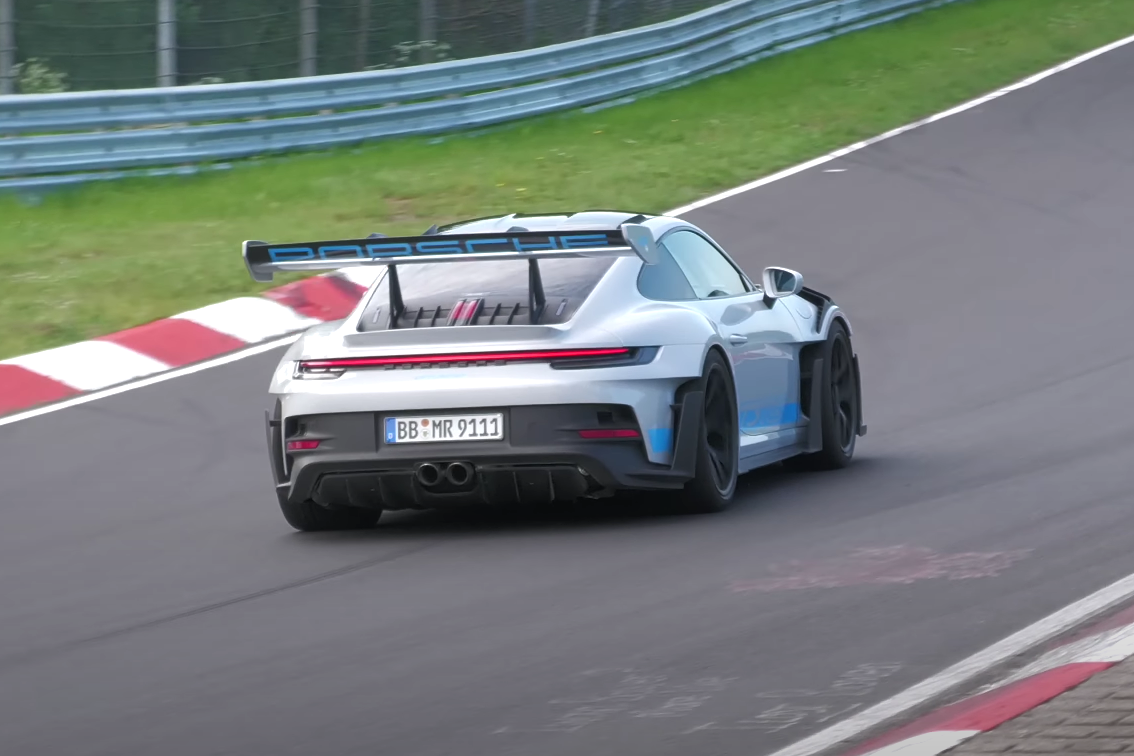
The automotive world is once again abuzz with anticipation as Porsche announces the opening of order books for the 2026 Porsche 911 GT2 RS, a vehicle that continues to redefine the boundaries of performance, engineering, and exclusivity in the high-end sports car segment. This latest iteration of the GT2 RS, a model long celebrated for its raw power and track-focused ethos, promises to build upon the legacy of its predecessors while introducing cutting-edge advancements in aerodynamics, powertrain technology, and driver engagement.
As enthusiasts and collectors scramble to secure their place in the queue, the 2026 GT2 RS emerges not merely as a car but as a statement of automotive ambition, blending Porsche’s storied heritage with a forward-looking vision that prioritizes both speed and sophistication. The GT2 RS has always occupied a unique niche within the 911 lineup, distinguished by its uncompromising approach to performance, and the 2026 model appears poised to elevate this reputation to new heights, leveraging innovations derived from motorsport and the brand’s relentless pursuit of engineering excellence.
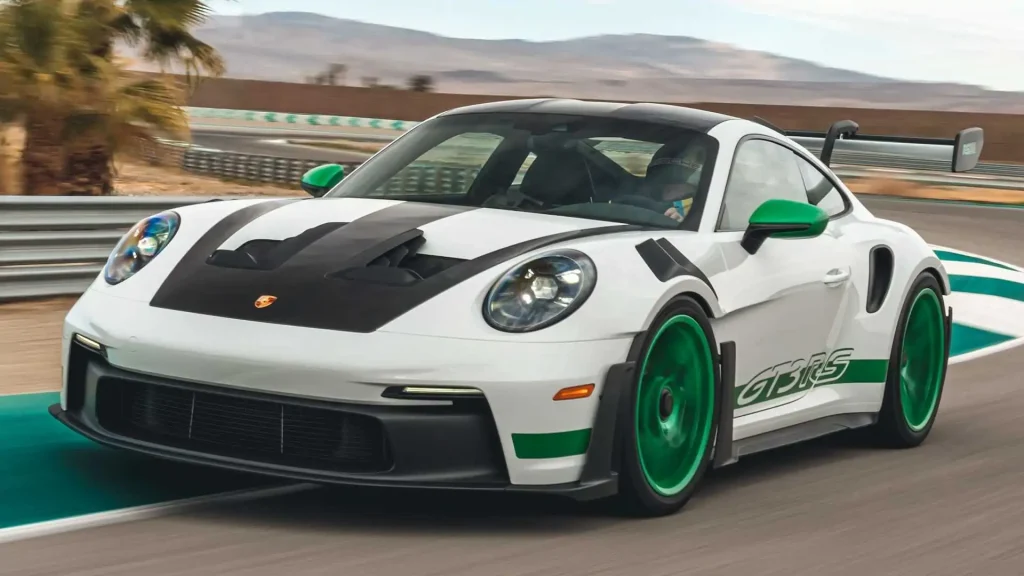
At the heart of the 2026 Porsche 911 GT2 RS lies a meticulously engineered powertrain designed to deliver breathtaking performance metrics. The car is expected to retain its signature twin-turbocharged flat-six engine, a configuration synonymous with Porsche’s high-performance models, but with significant refinements aimed at maximizing output and efficiency. Early reports suggest that the 3.8-liter engine will produce upwards of 700 horsepower, a figure that positions the GT2 RS firmly in the realm of hypercar rivals, while torque figures are anticipated to exceed 590 lb-ft, ensuring explosive acceleration across the rev range.
This power is channeled through a advanced dual-clutch transmission system, optimized for lightning-fast gear changes and seamless power delivery, whether on winding mountain roads or the controlled environment of a race track. Porsche’s engineers have reportedly focused on reducing lag in the turbocharging system, employing new materials and electronic controls to ensure throttle response remains razor-sharp, a critical factor in maintaining the car’s agility and driver connection. The integration of hybrid technology, while not explicitly confirmed, has been a topic of speculation, with industry observers noting that even a mild hybrid system could enhance performance while addressing increasingly stringent emissions regulations, a balancing act Porsche has mastered in recent years.
Aerodynamics play a pivotal role in the GT2 RS’s identity, and the 2026 model introduces a suite of innovations aimed at optimizing downforce and cooling without sacrificing the car’s iconic silhouette. The front fascia features a redesigned splitter and air intakes, crafted to channel airflow more efficiently around the vehicle, while the rear end is dominated by an active rear wing system that adjusts its angle and height in real-time based on speed and driving conditions. This adaptive aerodynamics package not only enhances stability at high speeds but also reduces drag during cruising, a duality that underscores Porsche’s commitment to versatility in its performance machines.
The underbody has been reworked with advanced diffuser elements, working in concert with the rear wing to create a vacuum effect that presses the car closer to the asphalt, improving grip and cornering capabilities. Cooling, always a critical consideration in high-output turbocharged engines, has been addressed through enlarged side intakes and redesigned ducting, ensuring that the powertrain and braking systems maintain optimal temperatures even under sustained hard driving. The use of lightweight materials such as carbon fiber-reinforced plastics (CFRP) and magnesium alloys in the aerodynamic components further reduces overall weight, contributing to the car’s power-to-weight ratio and nimble handling characteristics.
Inside the cockpit, the 2026 GT2 RS strikes a delicate balance between race-inspired minimalism and the luxury expected of a Porsche flagship. The cabin is dominated by a driver-centric layout, with a redesigned steering wheel featuring integrated controls for driving modes, suspension settings, and aerodynamic adjustments, allowing the pilot to tailor the car’s behavior without diverting attention from the road. Lightweight bucket seats, upholstered in a combination of Alcantara and carbon fiber, provide exceptional lateral support during high-G maneuvers, while still offering a degree of comfort for longer journeys.
The infotainment system has been updated to include Porsche’s latest PCM (Porsche Communication Management) interface, featuring a high-resolution touchscreen with connectivity options such as Apple CarPlay, Android Auto, and over-the-air updates, ensuring the vehicle remains at the technological forefront throughout its lifecycle. Traditionalists will appreciate the retention of analog gauges for critical functions like turbo boost pressure and oil temperature, a nod to the GT2 RS’s racing pedigree, while a heads-up display projects essential information onto the windshield, minimizing distractions during spirited driving. Sound insulation has been deliberately minimized to allow the roar of the flat-six engine to permeate the cabin, creating an immersive auditory experience that heightens the connection between driver and machine.
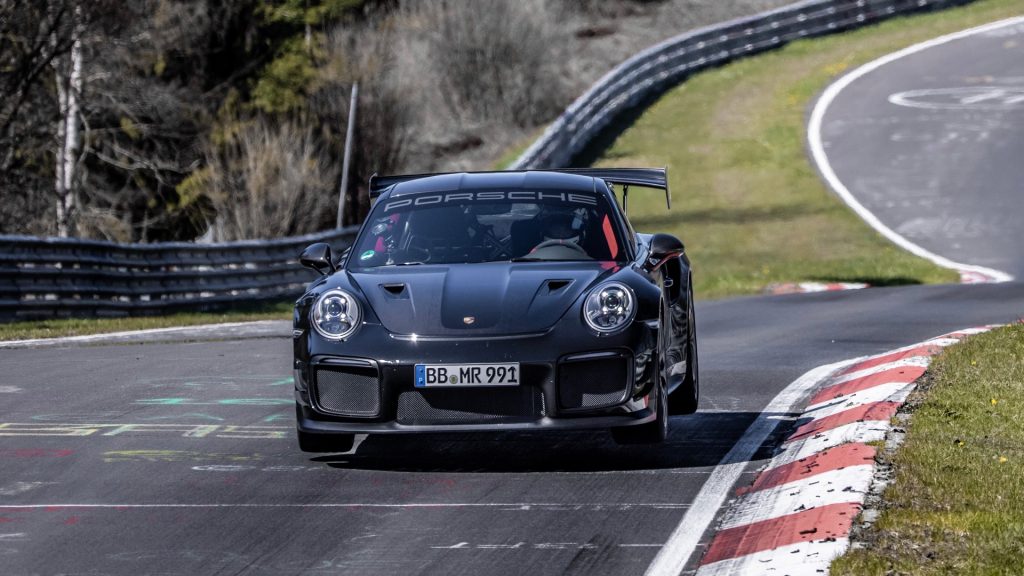
The chassis and suspension systems of the 2026 GT2 RS represent another area where Porsche’s engineering prowess shines through. Building on the foundation of the 911’s rear-engine layout, the GT2 RS employs a revised rear-axle steering system that enhances maneuverability at low speeds and stability at high velocities, effectively shrinking the car’s virtual wheelbase during tight cornering. The suspension geometry has been fine-tuned with input from Porsche’s motorsport division, incorporating adaptive dampers that automatically adjust stiffness based on road conditions and driver inputs, striking a balance between track-day sharpness and everyday usability.
Lightweight alloy wheels, wrapped in specially developed Michelin Pilot Sport Cup 2 R tires, provide exceptional grip, while carbon-ceramic brakes—standard on the GT2 RS—deliver fade-resistant stopping power, essential for a car capable of surpassing 200 mph. Porsche’s Torque Vectoring Plus system, which selectively applies braking force to individual wheels during cornering, works in tandem with the electronic stability control to maximize traction and minimize understeer, allowing drivers to exploit the car’s performance envelope with confidence. The integration of a new rear differential lock enhances acceleration out of corners, ensuring that the prodigious power is effectively translated into forward motion, even on less-than-ideal road surfaces.
Market positioning and exclusivity are integral to the GT2 RS’s allure, and the 2026 model is expected to continue this tradition with limited production numbers and a price tag reflecting its status as a halo car. Industry analysts predict that the starting price will exceed $300,000, placing it in direct competition with limited-edition offerings from manufacturers like Ferrari, McLaren, and Lamborghini, though Porsche’s reputation for reliability and daily drivability may give it an edge among buyers seeking a more practical supercar.
The opening of order books has already generated significant demand, particularly among existing Porsche clientele and collectors who view the GT2 RS as both a driving machine and an appreciating asset. Historical data supports this perception, with previous GT2 RS models often selling for well above their original MSRP in the secondary market, a trend likely to continue given the 2026 model’s technological advancements and limited availability. Porsche has also hinted at bespoke customization options through its Exclusive Manufaktur division, allowing buyers to specify unique paint colors, interior trims, and even lightweight components, further enhancing the car’s exclusivity. This personalization extends to performance-oriented accessories, such as track-day packages that include roll cages, fire suppression systems, and data loggers, catering to customers who intend to push the car to its limits in competitive environments.
Environmental considerations, while not traditionally associated with high-performance vehicles, have influenced the development of the 2026 GT2 RS in subtle yet meaningful ways. Porsche’s commitment to sustainability is evident in the increased use of recycled materials throughout the car’s construction, including eco-friendly composites in the interior panels and carpeting made from regenerated nylon. The manufacturing process itself has been optimized to reduce carbon emissions, aligning with the broader corporate strategy outlined in Porsche’s “Road to 20” initiative, which aims for a 20% reduction in CO2 emissions per vehicle by 2025.
While the GT2 RS remains firmly rooted in internal combustion technology, its development has been informed by lessons learned from Porsche’s electric vehicle programs, particularly in areas such as energy recovery systems and thermal management. The possibility of a hybrid variant, though unconfirmed for this generation, looms on the horizon as Porsche navigates the industry-wide shift toward electrification, balancing the demands of performance purists with regulatory realities. Even without hybridization, the 2026 GT2 RS benefits from advances in fuel injection technology and turbocharging efficiency, resulting in improved fuel economy compared to earlier models, a small but significant step toward reducing the environmental footprint of high-performance automobiles.
The cultural and historical significance of the GT2 RS within Porsche’s lineage cannot be overstated, serving as a technological flagship that trickles down innovations to more mainstream models. Since the debut of the first GT2 in 1993, the series has embodied Porsche’s racing heritage, with each iteration incorporating advancements proven on the track. The 2026 model continues this tradition, drawing directly from Porsche’s experiences in endurance racing series such as the 24 Hours of Le Mans and the IMSA WeatherTech SportsCar Championship. Elements like the aerodynamic package and cooling system bear clear resemblance to those found on the 911 RSR GT race car, while the emphasis on lightweight construction echoes strategies employed in Porsche’s LMDh prototypes.
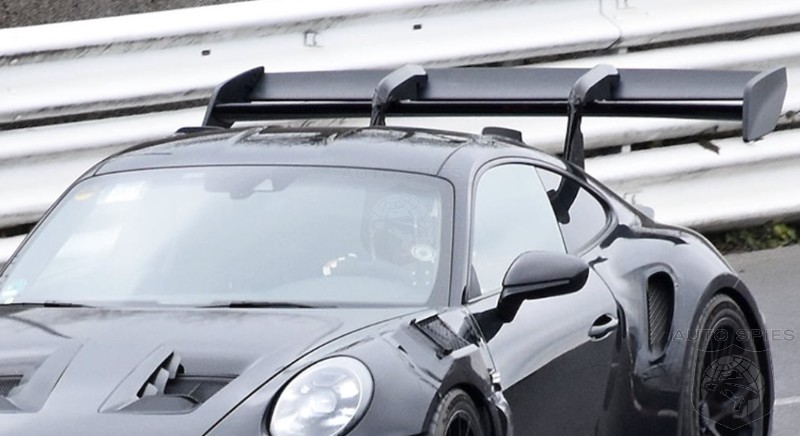
This racing DNA is not merely cosmetic; it translates to tangible performance benefits that resonate with driving enthusiasts, reinforcing the GT2 RS’s reputation as a street-legal race car. The model also serves as a testbed for future technologies, with innovations in materials science, electronic controls, and powertrain management likely to influence upcoming generations of the 911 and other Porsche models. In this sense, the GT2 RS functions as both a culmination of existing knowledge and a preview of what’s to come, bridging Porsche’s illustrious past with its ambitious future.
Driving dynamics remain the ultimate focus of the GT2 RS, and early impressions from journalists granted pre-release access suggest that the 2026 model delivers an experience that is both visceral and refined. The car’s acceleration is described as relentless, with the twin-turbocharged engine propelling it from 0 to 60 mph in under 2.8 seconds, a figure that edges into hypercar territory. Yet it is the mid-range punch that truly astonishes, with seamless power delivery allowing for explosive overtakes and effortless exits from corners. The steering, a hallmark of Porsche’s engineering, provides telepathic feedback, communicating every nuance of the road surface through the wheel rim, while the chassis remains composed even under extreme lateral loads.
On track settings, the suspension firms up dramatically, minimizing body roll and allowing the car to change direction with surgical precision, yet the adaptive dampers soften sufficiently in comfort mode to absorb road imperfections, making the GT2 RS surprisingly viable for daily driving. The braking system inspires confidence, with pedal feel that remains consistent lap after lap, a critical factor for drivers exploring the car’s limits on circuit days. Noise regulations have necessitated some compromises in exhaust note volume compared to earlier models, but Porsche’s engineers have worked to preserve the characteristic wail of the flat-six engine, employing variable valve timing and an active exhaust system that opens up at higher revs to unleash a symphony of mechanical fury.
In the broader context of the automotive industry, the 2026 Porsche 911 GT2 RS arrives at a pivotal moment, as manufacturers grapple with the transition to electrification and increasing pressure to reduce environmental impact. While some competitors have shifted focus entirely to hybrid or electric powertrains for their flagship models, Porsche has chosen to refine and perfect the internal combustion engine, at least for this generation of the GT2 RS.
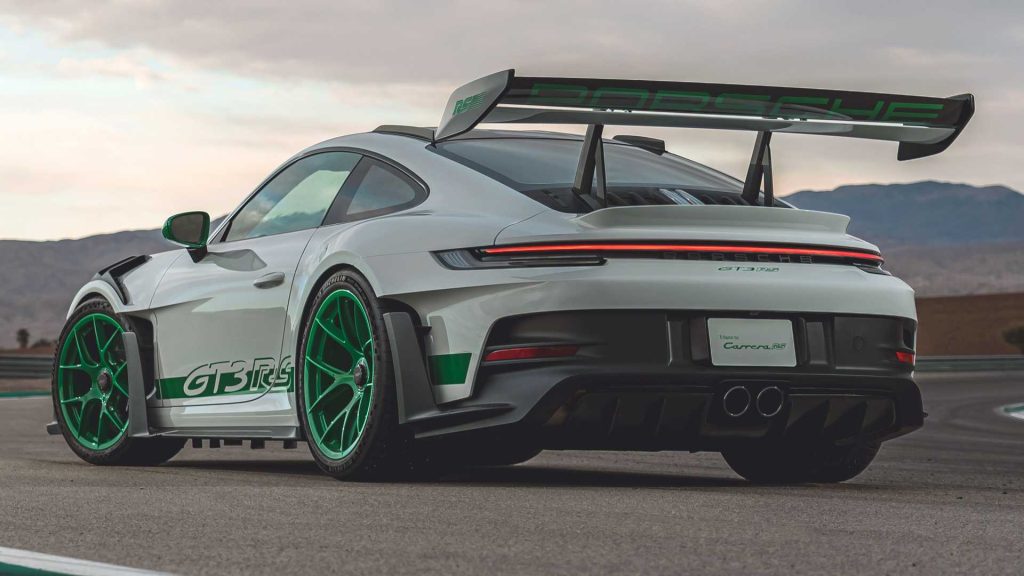
This decision reflects both a commitment to the brand’s core identity and an understanding of its customer base, many of whom remain deeply attached to the sensory experience provided by a high-revving, turbocharged engine. However, the shadow of electrification looms large, and it is conceivable that future iterations of the GT2 RS may incorporate hybrid technology to meet emissions standards without sacrificing performance. For now, though, the 2026 model stands as a celebration of ICE excellence, a machine that pushes the boundaries of what is possible with fossil fuels, even as the industry charts a course toward alternative energy sources. This balancing act between tradition and innovation is emblematic of Porsche’s philosophy, ensuring that the GT2 RS remains relevant in an era of rapid technological change.
The global market for high-performance vehicles has evolved significantly since the introduction of the first GT2 RS, with emerging technologies and shifting consumer preferences reshaping the competitive landscape. In this context, the 2026 model faces stiff competition from rivals such as the Ferrari 812 Competizione, McLaren 765LT, and Lamborghini Huracán STO, each offering their own interpretation of track-focused excellence. What sets the Porsche apart is its unique combination of everyday usability, historical continuity, and engineering depth, attributes that resonate with a discerning clientele.
Unlike some competitors that prioritize outright speed or dramatic styling, the GT2 RS emphasizes balance and driver engagement, qualities that become apparent during extended drives rather than brief test runs. This holistic approach to performance has cultivated a loyal following among enthusiasts who value substance over spectacle, ensuring that the GT2 RS occupies a distinct niche in the market. Additionally, Porsche’s extensive dealer network and robust after-sales support provide peace of mind for owners, addressing maintenance and servicing needs with a level of professionalism that boutique manufacturers struggle to match. These factors, combined with the car’s inherent capabilities, position the 2026 GT2 RS as a compelling choice for those seeking a supercar that excels in both objective performance metrics and subjective driving pleasure.
Looking ahead, the 2026 Porsche 911 GT2 RS is poised to leave an indelible mark on automotive history, serving as a benchmark for performance, engineering, and desirability. Its arrival coincides with a period of unprecedented change in the industry, making it a potential swan song for unadulterated internal combustion engines in the high-performance segment. For collectors and enthusiasts, securing an allocation for this model represents not just the acquisition of a remarkable machine, but an investment in a piece of automotive heritage. As production begins and the first units roll off the assembly line, the GT2 RS will undoubtedly become a fixture at track days, concours events, and private collections worldwide, its legacy cemented by the smiles it elicits from drivers and the envy it inspires in onlookers.
Porsche’s relentless pursuit of perfection ensures that the 2026 GT2 RS is more than just a car—it is a testament to the enduring appeal of mechanical excellence in an increasingly digital age, a reminder that passion and precision can coexist harmoniously, even as the automotive world hurtles toward an uncertain future. In capturing this essence, the GT2 RS transcends its role as a mere mode of transportation, becoming instead a cultural icon, a symbol of what is possible when engineering ambition meets artistic vision.
Need perfume? Buy erilavia