 Akmal Azhar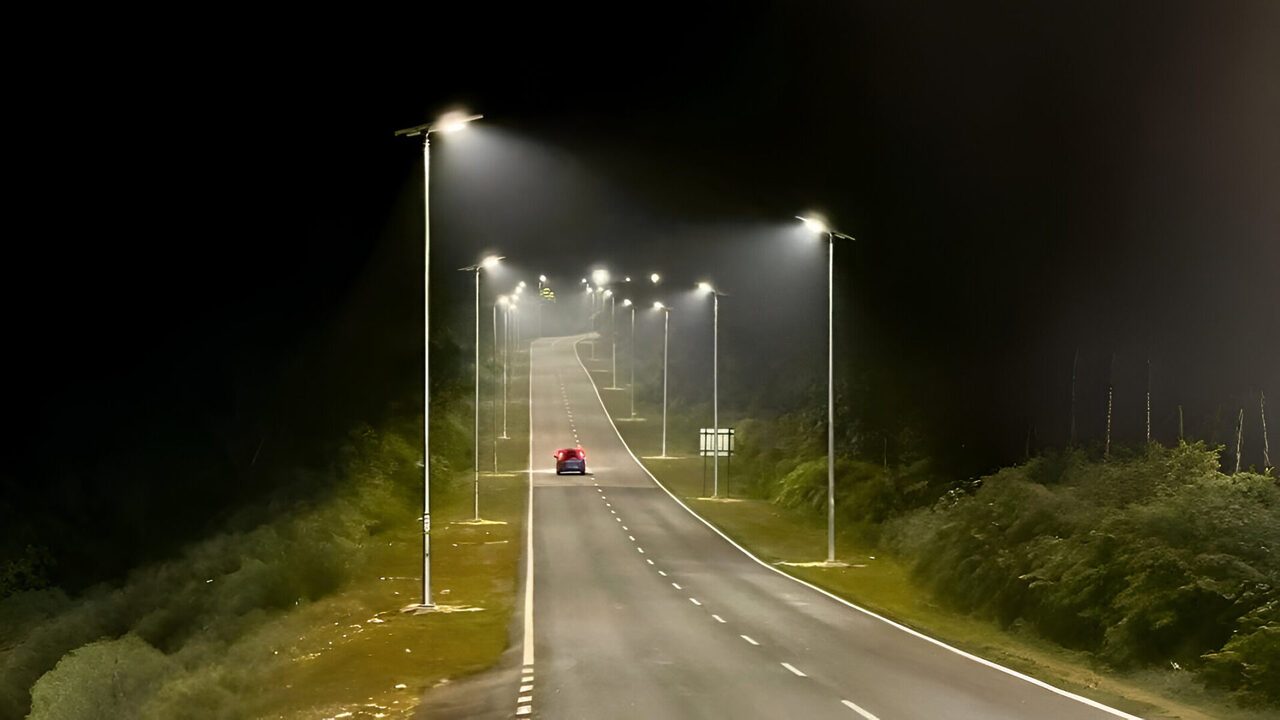
Introduction: The announcement of the installation of 385 solar lights on Gerik-Jeli Road by the Jabatan Kerja Raya (JKR) marks a significant step towards enhancing road safety, especially in an area that has previously witnessed the tragic bus accident involving UPSI students. This heartrending incident highlighted the crucial need for adequate street lighting to prevent traffic accidents, particularly on rural roads that often lack proper illumination. This article will delve further into this initiative, the context surrounding it, and its implications for road user safety.
Subtopic 1: The UPSI Student Bus Tragedy and the Need for Improved Road Safety
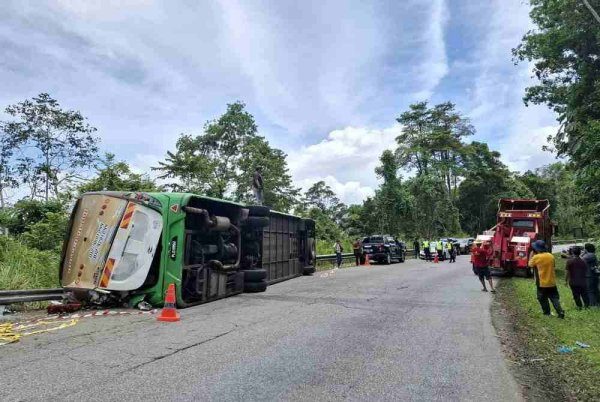
The UPSI student bus tragedy that occurred on Gerik-Jeli Road serves as a poignant reminder of the importance of safe and adequate road infrastructure. This tragic event not only resulted in a loss of life but also underscored the weaknesses in the road safety system in the area, particularly the lack of sufficient lighting at night. Dark roads significantly increase the risk of accidents, especially for inexperienced or inattentive road users. The installation of solar lights is a direct response to this tragedy and an effort to prevent similar incidents from happening in the future.
Subtopic 2: Advantages of Solar Lights as a Sustainable Solution
JKR’s decision to utilize solar lights reflects a wise and forward-thinking approach. Solar lights offer a sustainable, environmentally friendly, and cost-effective solution in the long run. Unlike conventional lights that rely on the electrical grid, solar lights harness abundant solar energy, thereby reducing operational costs and carbon footprints. This advantage is particularly relevant in rural areas that may have limited access to a stable electricity network. Additionally, solar lights require relatively easy and low-cost maintenance.
Subtopic 3: Implications for the Safety of Road Users on Gerik-Jeli Road
The installation of 385 solar lights on Gerik-Jeli Road is expected to have a significant positive impact on the safety of road users. Better illumination will enhance drivers’ visibility at night, reduce the risk of accidents, and foster a greater sense of security among all road users, including pedestrians and motorcyclists. Areas that were previously dark and hazardous will become brighter and more controlled, thereby minimizing the chances of unfortunate incidents.
Conclusion:
JKR’s initiative to install 385 solar lights on Gerik-Jeli Road is a crucial step in improving road safety and preventing the recurrence of traffic tragedies. The choice of sustainable and cost-effective solar technology demonstrates JKR’s commitment to building safe road infrastructure while being environmentally responsible. With better lighting, we hope Gerik-Jeli Road will become safer and more comfortable for all road users.

 Zakirin