 Akmal Azhar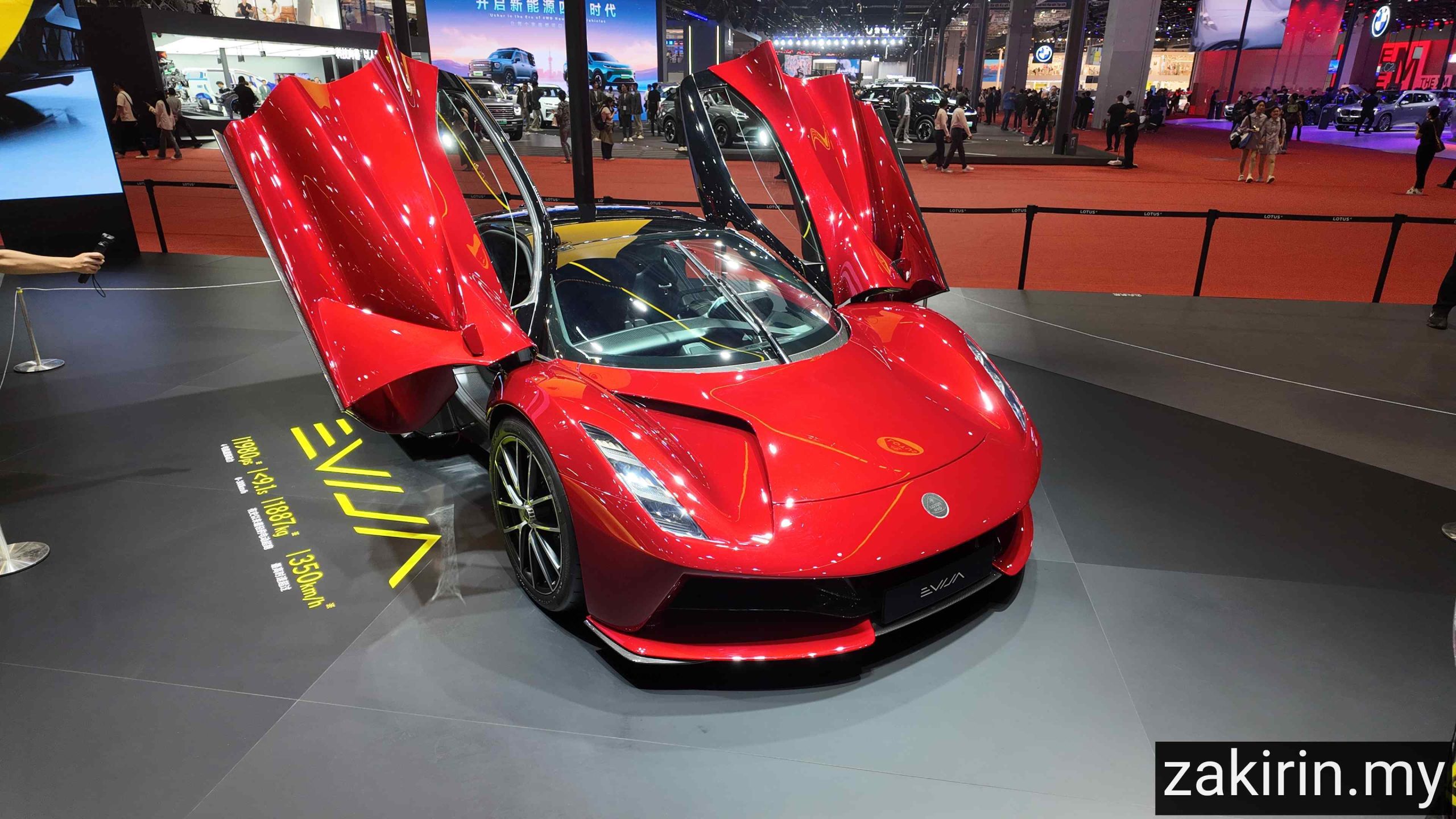
A New Chapter for Lotus
Historically, Lotus has been synonymous with nimble, lightweight cars that prioritize handling over sheer power. However, in a rapidly changing automotive landscape dominated by the transition to electric mobility, Lotus needed to adapt. The Evija, named after the Hebrew word meaning “living” or “breath of life,” signifies a rebirth for the brand. It embodies Lotus’s commitment to innovation, sustainability, and high-performance engineering in the electric age.
Unprecedented Power and Performance
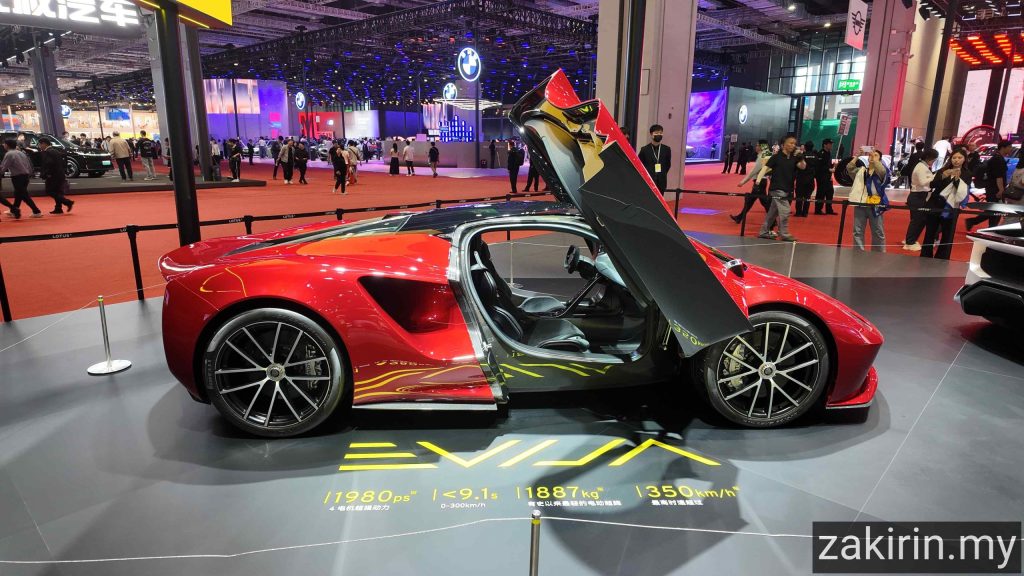
At the heart of the Lotus Evija lies a groundbreaking electric powertrain that produces an astonishing 2,000 PS (approximately 1,973 horsepower). This figure places the Evija among the most powerful production cars in the world. The car is equipped with four electric motors, each driving a single wheel, providing not only immense power but also unparalleled torque vectoring capabilities. This allows for exceptional traction and agility, even at high speeds.
The Evija’s acceleration figures are equally impressive. It can sprint from 0 to 60 mph in under three seconds, while its top speed exceeds 200 mph. Unlike many EVs that focus on urban practicality, the Evija is unapologetically engineered for extreme performance, targeting enthusiasts and collectors who demand the thrill of raw speed combined with cutting-edge technology.
Lightweight Engineering: Staying True to the Lotus Philosophy
While the Evija represents a technological departure, it stays true to Lotus’s core philosophy of lightweight construction. Thanks to an advanced carbon fiber monocoque chassis, the vehicle’s weight is kept to just over 1,700 kilograms (3,748 pounds). This focus on weight reduction is critical for enhancing not only acceleration but also cornering performance and overall driving dynamics.
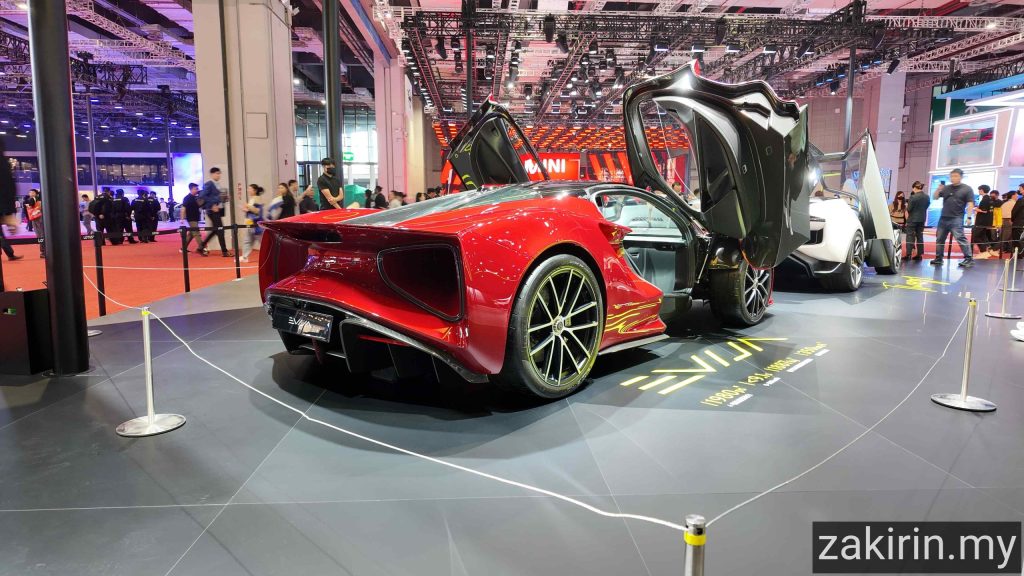
The Evija’s aerodynamic design is a perfect blend of beauty and functionality. Its body features elegant yet aggressive curves, large air channels, and an innovative rear diffuser, all designed to optimize airflow and downforce. Active aerodynamics, including a deployable rear spoiler, further refine the car’s handling characteristics, ensuring stability at high speeds.
Battery Technology and Charging Efficiency
Powering this electric beast is a 70 kWh lithium-ion battery pack, strategically mounted in the mid-rear position to maintain optimal weight distribution. Developed in collaboration with Williams Advanced Engineering, the battery is designed not just for capacity but also for performance sustainability under intense driving conditions.
The Evija supports ultra-fast charging technology, capable of replenishing 80% of its battery capacity in just 18 minutes using a 350 kW charger. This ensures that even with its extreme performance credentials, the car remains practical for real-world use, especially in a future where charging infrastructure continues to expand. The Evija offers an estimated range of over 200 miles (approximately 320 kilometers) on a full charge, which is adequate for a hypercar, though less than more range-focused EVs.
Futuristic Design and Driver-Centric Interior
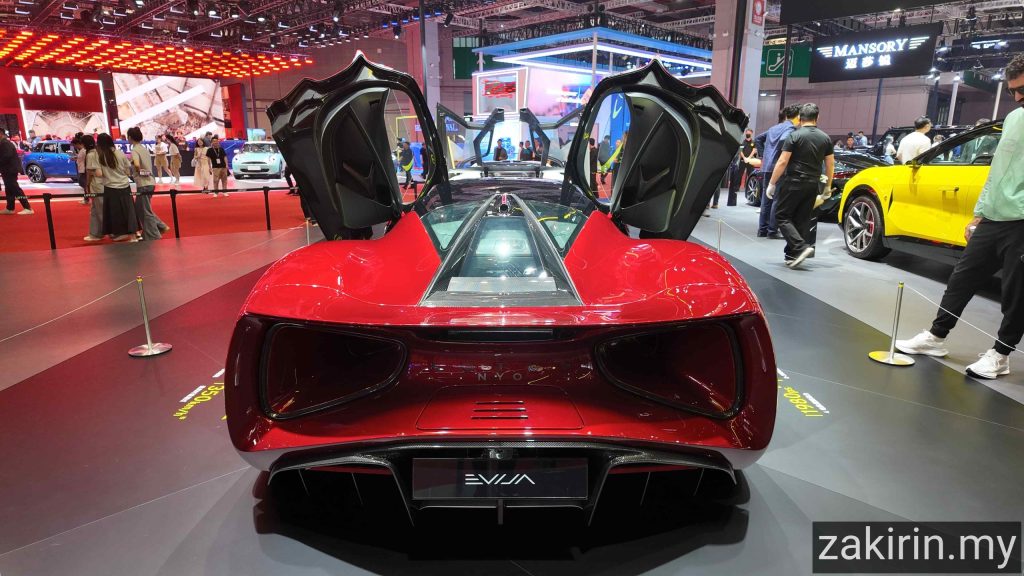
Visually, the Lotus Evija is a masterclass in modern automotive design. Its exterior is sculpted for both aesthetics and aerodynamic efficiency, with features like the ‘Venturi tunnels’ through each rear quarter enhancing airflow and visual drama. The signature full-width rear light bar, inspired by jet afterburners, adds a futuristic touch that ensures the Evija stands out among its peers.
Inside, the cabin adopts a minimalist, driver-focused layout. High-quality materials such as leather, Alcantara, and carbon fiber dominate the interior, offering both luxury and sportiness. A digital instrument cluster provides real-time performance data, while a streamlined infotainment system integrates seamlessly with modern connectivity features. Every control is designed to keep the driver engaged, maintaining the Lotus tradition of simplicity and purity in driving experience.
Political and Environmental Impact: The Bigger Picture
Beyond its technical marvels, the Lotus Evija carries significant political and environmental weight. The global automotive industry is under intense pressure to reduce carbon emissions in response to the climate crisis. Governments worldwide are implementing stringent regulations aimed at phasing out internal combustion engines, with countries like the United Kingdom planning to ban the sale of new petrol and diesel cars by 2030.
In this context, the Evija is not merely a luxury product but a statement of intent. It signals Lotus’s commitment to align with global sustainability goals while maintaining its identity as a performance car manufacturer. The development of the Evija aligns with broader governmental policies that incentivize the adoption of electric vehicles through tax credits, subsidies, and research grants aimed at promoting green technology.
EVs and Global Sustainability Goals
Electric vehicles like the Lotus Evija are central to global strategies aimed at achieving carbon neutrality. Although hypercars are niche products, they serve as important technological flagships. The innovations pioneered in vehicles like the Evija often trickle down into more accessible consumer EVs, advancing battery technology, power efficiency, and lightweight construction methods.
However, the environmental impact of EVs is complex. While they produce zero tailpipe emissions, the carbon footprint of battery production and the source of electricity used for charging remain critical issues. For the Evija to truly embody sustainability, broader systemic changes are necessary, including a transition to renewable energy sources on a global scale.
Economic Implications and Industry Transformation
The transition to electric mobility is also reshaping the global automotive economy. Electric vehicles open up new avenues for job creation, particularly in sectors like battery manufacturing, software development, and advanced materials engineering. For Lotus, backed by parent company Geely (a Chinese automotive giant), the Evija represents a strategic move to stay competitive in a rapidly evolving market.
However, this shift is not without its challenges. Traditional industries linked to fossil fuels face economic disruption. Regions dependent on oil and gas production must navigate the complexities of economic diversification. Similarly, legacy automotive manufacturers are under pressure to adapt, with significant investments required to pivot towards electrification.
Geopolitical Dimensions of Electric Vehicles
There are also geopolitical dimensions to consider. The EV revolution is reshaping global power dynamics, particularly with regard to the supply chain for critical materials like lithium, cobalt, and rare earth elements. China’s dominance in the global battery supply chain has significant political implications, potentially influencing the pace and direction of the global EV transition.
For Lotus, a brand with British heritage but Chinese ownership, the Evija embodies this intersection of East and West. It reflects how globalization and international partnerships are essential in pushing the boundaries of innovation while navigating the political complexities of the modern automotive industry.
Conclusion: A Symbol of Innovation and Responsibility
In summary, the Lotus Evija is more than just an electric hypercar; it is a technological milestone and a symbol of the automotive industry’s inevitable shift toward electrification. Its staggering performance, combined with cutting-edge design and engineering, positions it as a benchmark for future hypercars.
Beyond its technical prowess, the Evija represents a convergence of industry, politics, and environmental responsibility. It aligns with global efforts to combat climate change, while also navigating the intricate web of economic and geopolitical interests tied to the electric vehicle revolution.
As the automotive world accelerates toward a zero-emission future, the Lotus Evija stands as a shining example of how performance and sustainability can coexist, paving the way for a new era of responsible innovation.

 Zakirin