 Akmal Azhar
When an electrified vehicle slows down, it often harnesses energy that would otherwise vanish as heat. This process—known as regenerative braking—captures kinetic energy, transforming it into electricity, and then returns that power to the vehicle’s battery. It’s an elegantly efficient system, offering both improved performance and reduced wear on traditional friction brakes.
Turning the Motor into a Generator
Instead of relying solely on brake pads and discs, regenerative braking turns the electric motor into a generator whenever the vehicle decelerates. This happens either when a driver lifts off the accelerator or presses the brake pedal. By reversing the motor’s function, the process converts what would be lost energy back into a usable form. This reclaimed energy can later assist with propulsion, potentially extending the vehicle’s driving range and benefiting both hybrids and fully electric cars.
Reducing Brake Wear
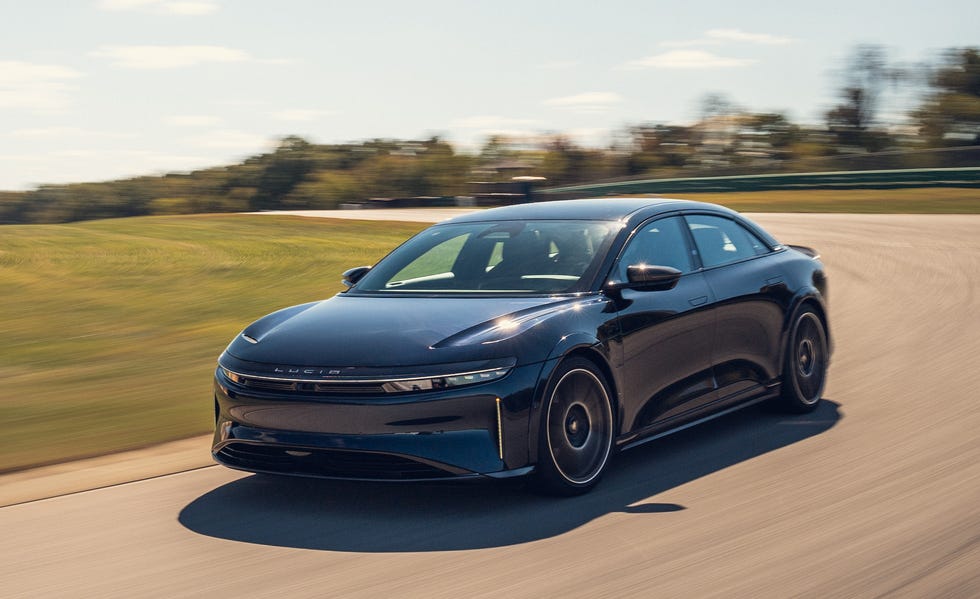
One of the immediate benefits of regenerative braking is its ability to ease the strain on conventional brakes. By doing much of the slowing through electrical regeneration, the friction braking system is engaged less often, which reduces wear and tear—and often delays the need for replacements.
The Role of One-Pedal Driving
Some systems take energy recovery a step further with “one-pedal driving.” In this mode, releasing the accelerator engages regenerative braking so efficiently that the vehicle can come to a stop without even touching the brake pedal, though the traditional brakes may still activate for the final few miles per hour. While convenient, this setup sometimes clashes with driver expectations, especially for those used to conventional braking feel.
Limitations of Regenerative Braking

Despite its advantages, regenerative braking has limitations. At low speeds—typical of parking lots or stop-start traffic—it becomes less effective in harvesting energy. It also cannot replace friction brakes entirely, as emergencies still demand the high force those systems provide. Additionally, in some “one-pedal” modes, brake lights may not illuminate during regeneration, which could create safety concerns.
Applications Beyond EVs
Regenerative braking isn’t exclusive to battery-electric vehicles. Hybrids also reclaim energy under braking to recharge their smaller onboard batteries, which then power the electric motor or auxiliary systems. In plug-in hybrids, it plays a key role in boosting efficiency and extending electric-only driving time.
A Shared Goal with Motorsport Technology
While road vehicles don’t use flywheels like those in Formula One’s KERS systems, the principle is the same—recovering kinetic energy that would otherwise be lost and storing it for future use.
A Step Toward Smarter Driving
In essence, regenerative braking offers a smart collaboration between the electric motor and the friction brake, recapturing energy that would otherwise evaporate. The result is extended range, reduced brake maintenance, and the chance to reshape driving habits for greater efficiency, even if it still depends on traditional brakes for full safety.


 Zakirin