 Akmal Azhar
The Lotus Theory 1 concept car marks a bold leap into the future of electric performance vehicles, blending cutting-edge technology with the brand’s storied heritage. Unveiled in September 2024, this three-seater EV is not only a design marvel but also a technological showcase that hints at the direction of Lotus’s upcoming production models, including the anticipated Type 135 due in 2027 .
Performance & Powertrain
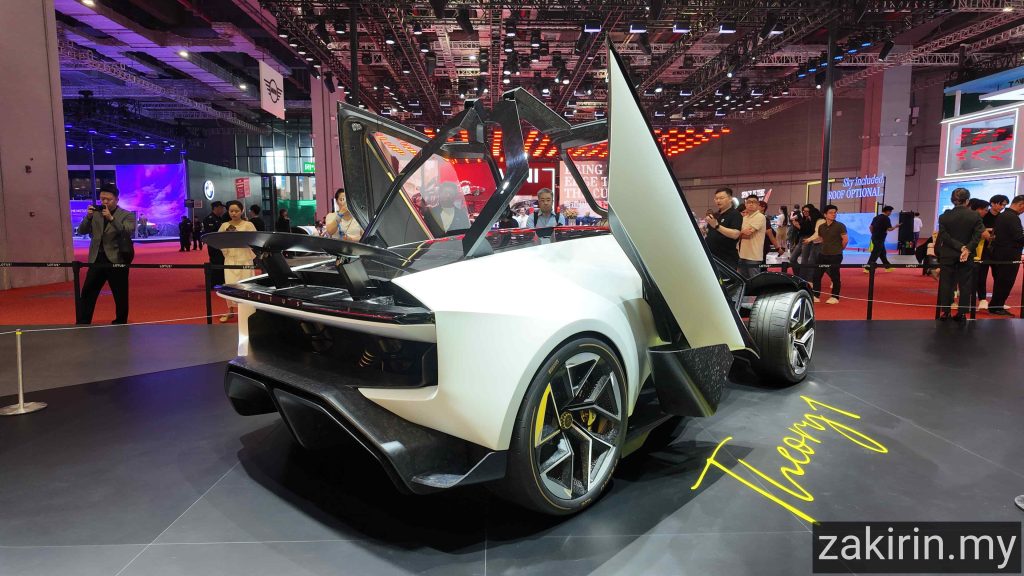
At the heart of the Theory 1 lies a twin-motor, all-wheel-drive electric powertrain delivering an impressive 986 horsepower. This setup propels the car from 0 to 62 mph in under 2.5 seconds, reaching a top speed of 199 mph. A 70 kWh battery provides a range of approximately 250 miles (402 km) on the WLTP cycle . The vehicle’s lightweight construction, tipping the scales at under 1,600 kg, is achieved through the use of advanced materials like recycled carbon fiber and titanium .
Lotuswear: A Sensory Driving Experience
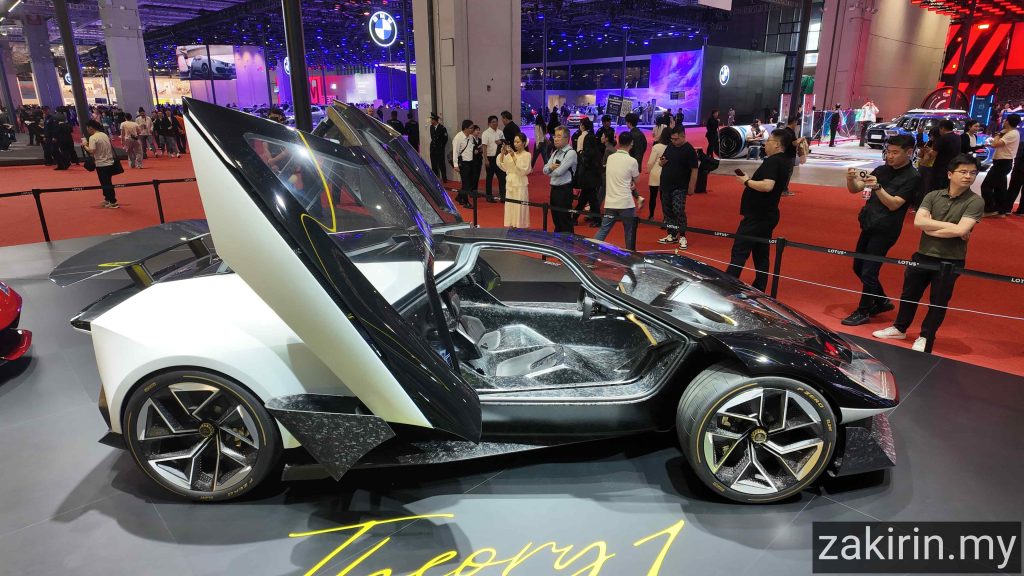
One of the standout features of the Theory 1 is its innovative Lotuswear system, developed in collaboration with MotorSkins. This adaptive, robotic textile integrates inflatable pods into the seats and steering wheel, providing haptic feedback to the driver. For instance, subtle pulses can indicate optimal turning moments, enhancing the driving experience .
Complementing this is a binaural audio system developed with KEF, embedded within 3D-printed lattice headrests. This setup offers personalized soundscapes and noise cancellation, ensuring an immersive auditory environment for each occupant .
Design & Materials: The ‘Challenge of 10’
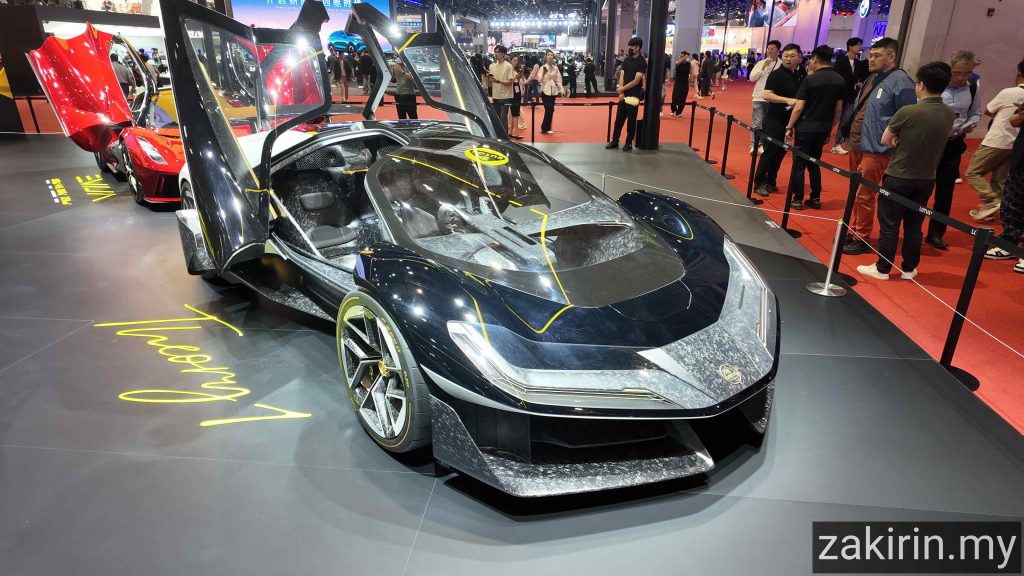
Embracing sustainability, Lotus has implemented the ‘Challenge of 10’ approach in the Theory 1, utilizing only ten primary materials in its construction. These include cellulose-based fiberglass, recycled carbon fiber, titanium, and recycled aluminum . This minimalist philosophy not only reduces complexity but also aligns with Lotus’s tradition of lightweight engineering.
The exterior design pays homage to the iconic Lotus Esprit, featuring a distinctive wedge shape and a central driver’s seat flanked by two rearward passenger seats, reminiscent of the McLaren F1 layout .
Technology Line & Autonomous Capabilities
Running through the vehicle is the Lotuswear Technology Line, a functional strip integrating OLED displays and a suite of sensors, including LiDAR, HD cameras, and radar. This system provides 360-degree environmental awareness, enhancing safety and enabling Level 4 autonomous driving capabilities . The Technology Line also communicates vehicle status to both occupants and other road users, embodying Lotus’s commitment to intuitive design .
Aerodynamics & Chassis Innovation
Aerodynamically, the Theory 1 incorporates active and passive elements, including a contoured underbody and motorsport-style sidepods to optimize airflow . Drawing inspiration from the Lotus 49 Formula One car, the electric motor and battery serve as stressed members of the chassis, reducing weight and enhancing structural integrity .
Final Thoughts
While the Lotus Theory 1 remains a concept, it encapsulates the brand’s vision for the future of electric sports cars. By integrating advanced technologies, sustainable materials, and a driver-centric design, Lotus reaffirms its commitment to innovation without compromising its performance heritage. As the automotive world shifts towards electrification, the Theory 1 stands as a testament to what’s possible when tradition meets forward-thinking engineering.


 Zakirin