 Akmal Azhar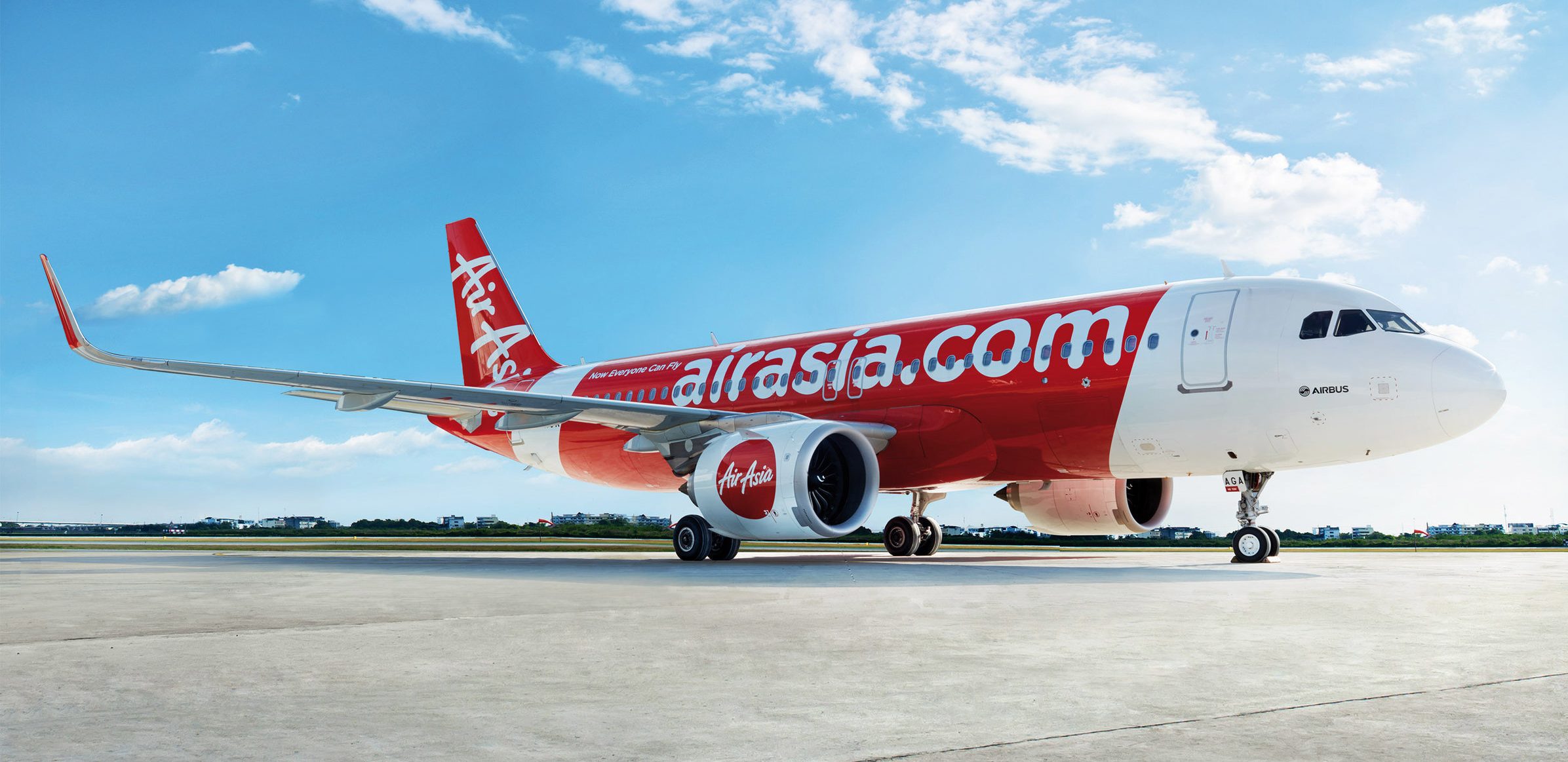
KUALA LUMPUR, April 2025
An AirAsia flight safely landed at Kuala Lumpur International Airport 2 (KLIA2) today following a mid-flight incident that triggered the deployment of oxygen masks, marking one of the most dramatic aviation scares in Malaysia this year.
The Incident: 30 Minutes of Mid-Air Tension
Flight AK-314, en route from Penang to Kuala Lumpur, experienced a sudden loss of cabin pressure at 35,000 feet, prompting oxygen masks to drop from overhead compartments. Passengers reported a loud bang followed by rapid depressurization, causing temporary ear pain and panic. Crew members immediately initiated emergency protocols, instructing travelers to secure masks and assume brace positions as the Airbus A320 descended to 10,000 feet.
“I thought this was it—the masks came down, and people were praying,” said passenger Rajesh Kumar, 42, visibly shaken after disembarking. “But the crew stayed calm. They saved lives today.”
AirAsia’s Response: Praise and Scrutiny
AirAsia confirmed the safe landing in a statement, attributing the incident to a “technical fault in the pressurization system.” The airline emphasized that all passengers and crew were unharmed, though three elderly travelers received medical checks for dizziness.
CEO Tony Fernandes praised the crew’s “textbook execution of safety procedures” but faces tough questions about the airline’s aging fleet. The involved aircraft, a 12-year-old A320, underwent maintenance just two weeks prior. Aviation analysts note that while such incidents are rare, they spotlight the challenges of maintaining older planes amid budget constraints.
The Hidden Hero: KLIA2’s Emergency Readiness
KLIA2’s crisis team swung into action, clearing Runway 3 within minutes and deploying emergency vehicles. The airport’s recently upgraded “Rapid Response AI System” tracked the flight’s descent in real-time, coordinating with air traffic control to prioritize landing.
“This wasn’t luck—it was preparation,” said KLIA2 operations head Datuk Amirul Zain. “We drill for scenarios like this monthly.”
Passenger Aftermath: Vouchers and Trauma
Affected passengers were offered meal vouchers and counseling services, though some criticized the compensation as inadequate. “A RM200 voucher doesn’t cover the trauma,” complained frequent flyer Linda Tan. AirAsia later announced a full refund and bonus AirAsia points, a gesture one aviation lawyer called “a PR Band-Aid for deeper operational issues.”
Why Cabin Pressure Matters
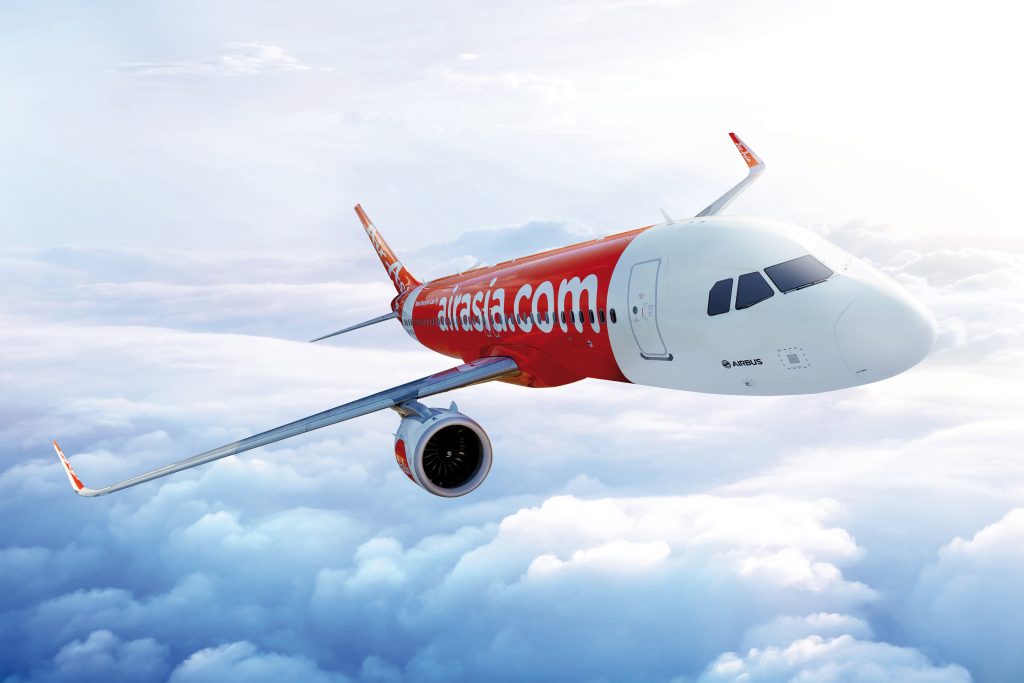
Loss of cabin pressure, while rare, can lead to hypoxia (oxygen deprivation) within minutes. Modern aircraft are designed to auto-descend to safer altitudes, but passenger compliance with mask protocols is critical. Today’s incident highlighted a quirk: many travelers struggled to fit masks over large hairstyles or hats, delaying oxygen flow.
Expert Take:
“This is why crew instructions are non-negotiable,” said aviation safety consultant Dr. Sarah Lim. “Even 10 seconds without oxygen can impair judgment.”
What’s Next?
The Civil Aviation Authority of Malaysia (CAAM) has grounded the aircraft for investigation. Preliminary reports suggest a faulty outflow valve, a known issue in older A320s. AirAsia faces pressure to accelerate its fleet modernization program, which aims to replace 45% of its planes by 2027.
The skies remain safe—but this incident is a stark reminder that complacency has no seat on a plane.


 Zakirin