 Zakirin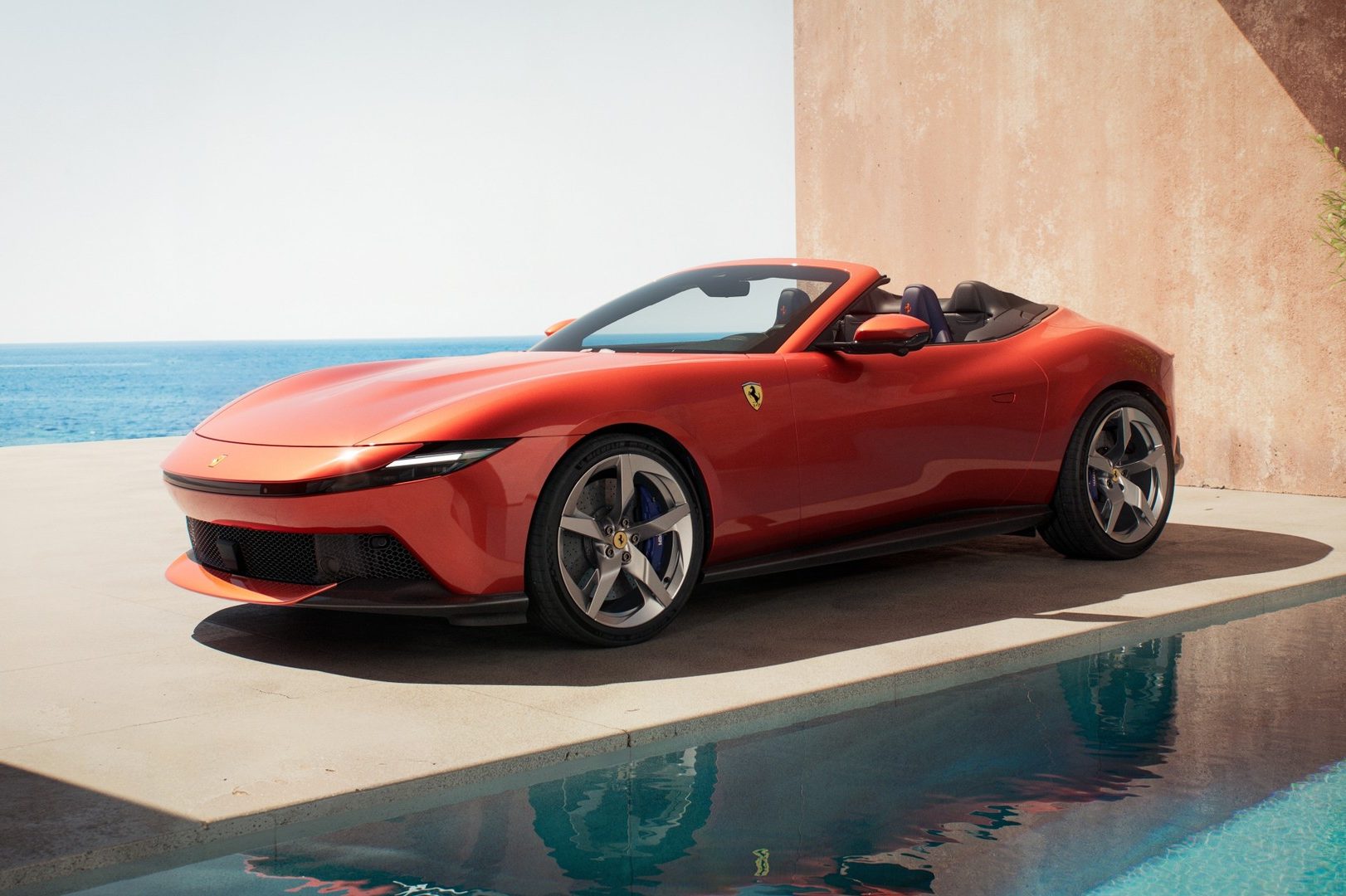
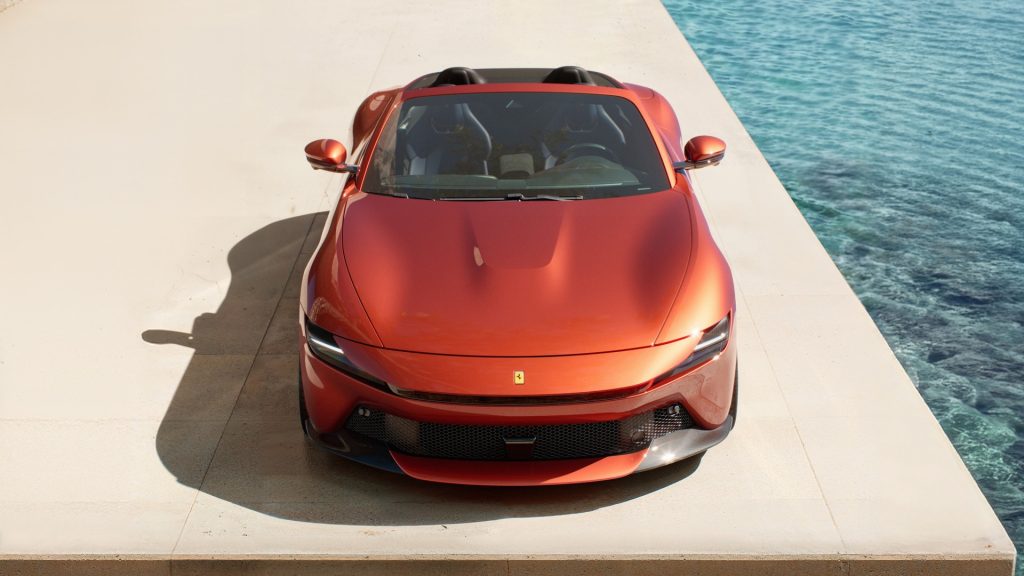
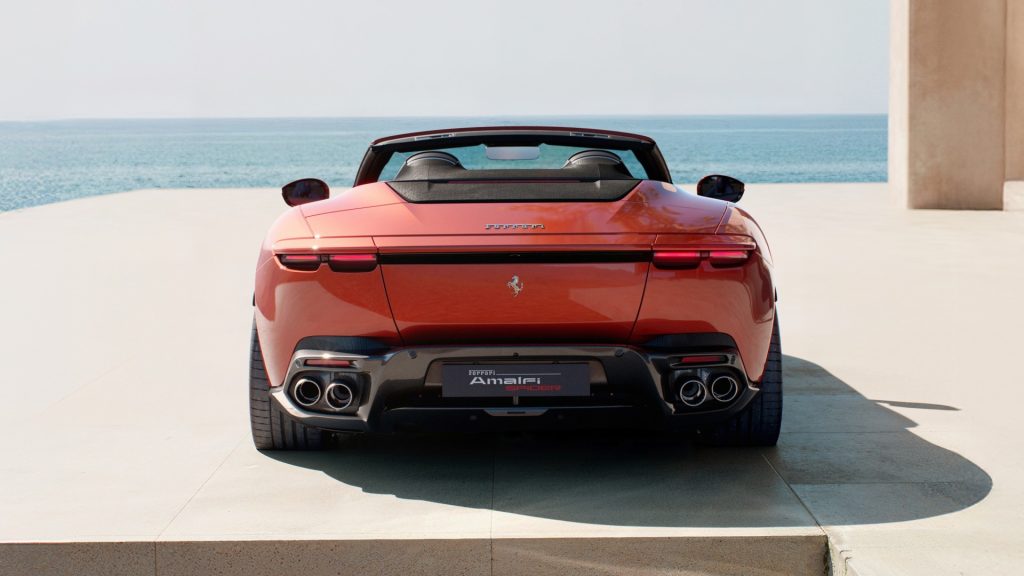
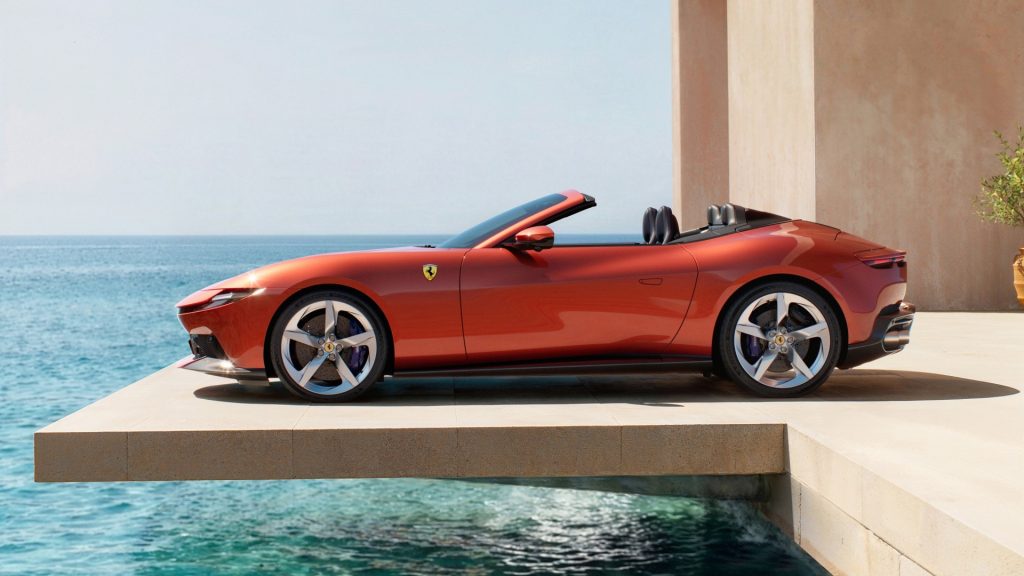
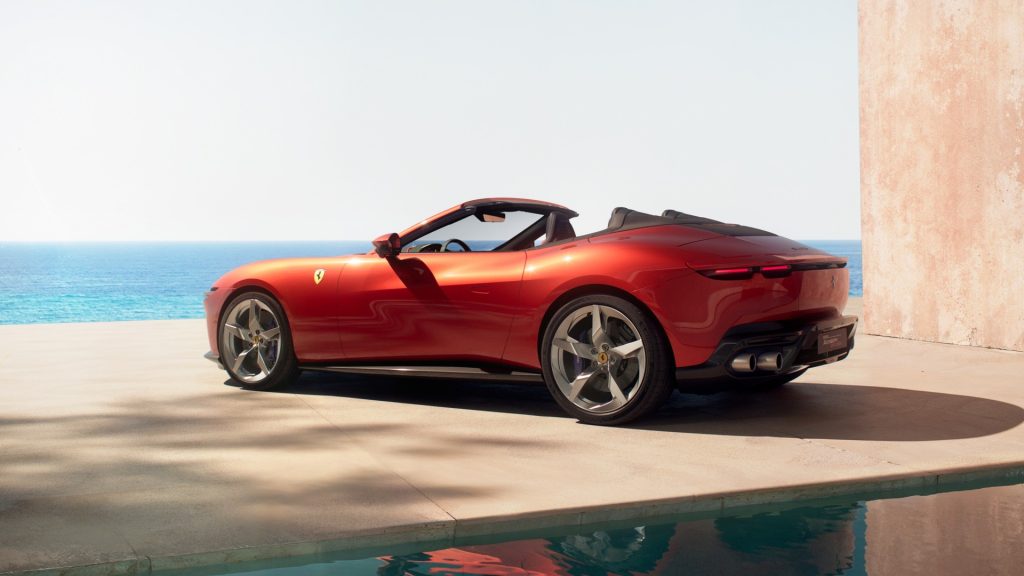
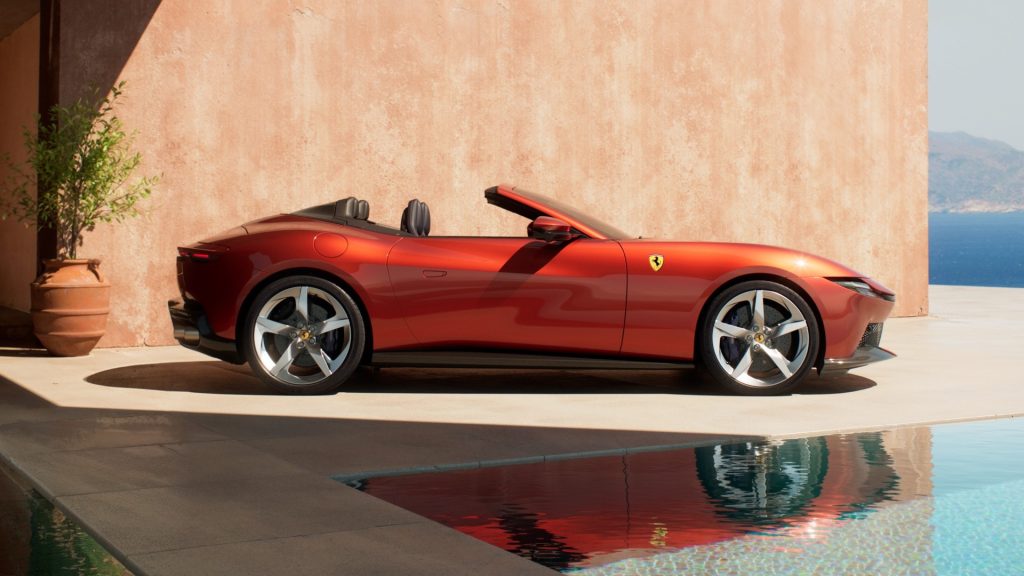
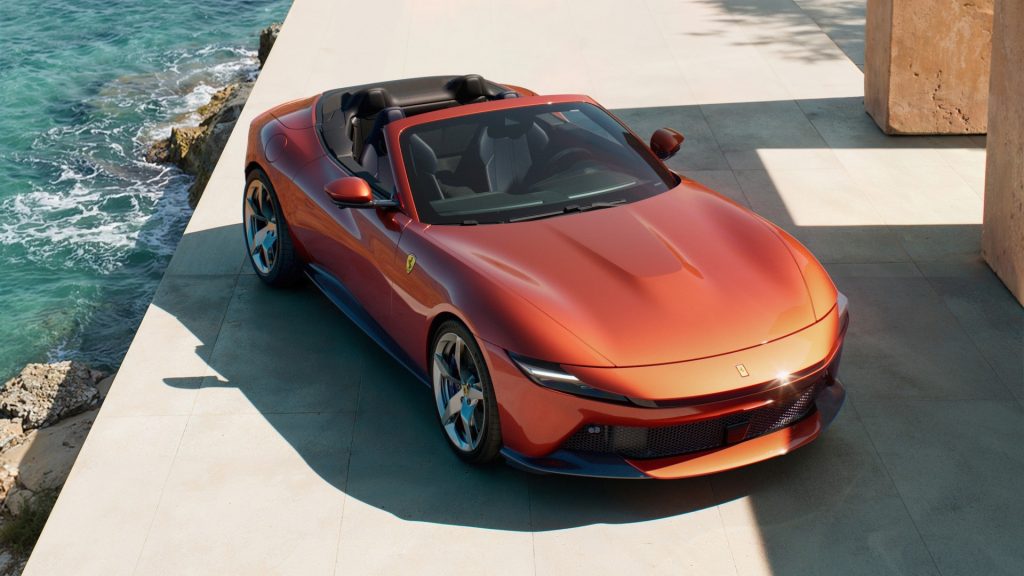
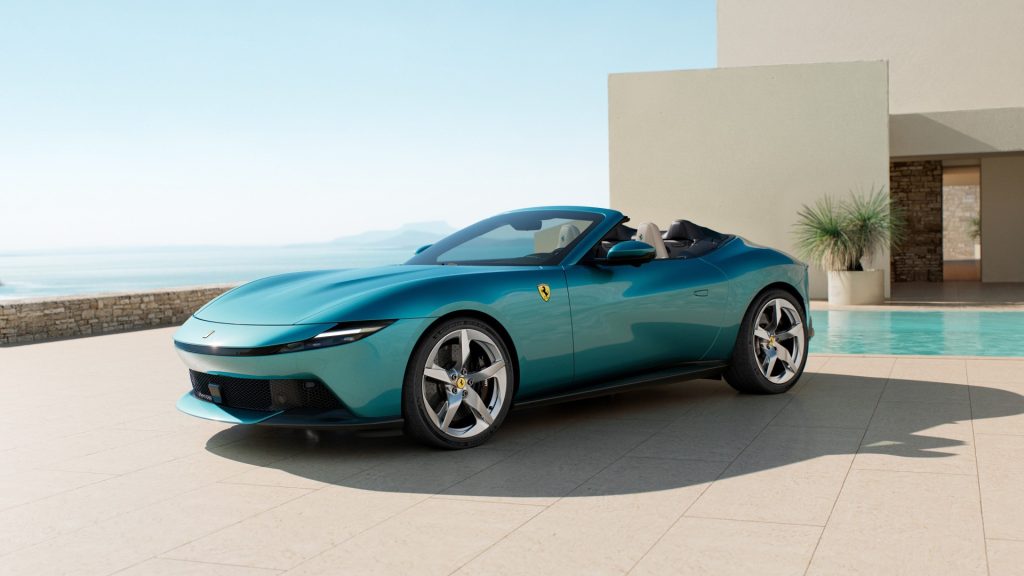
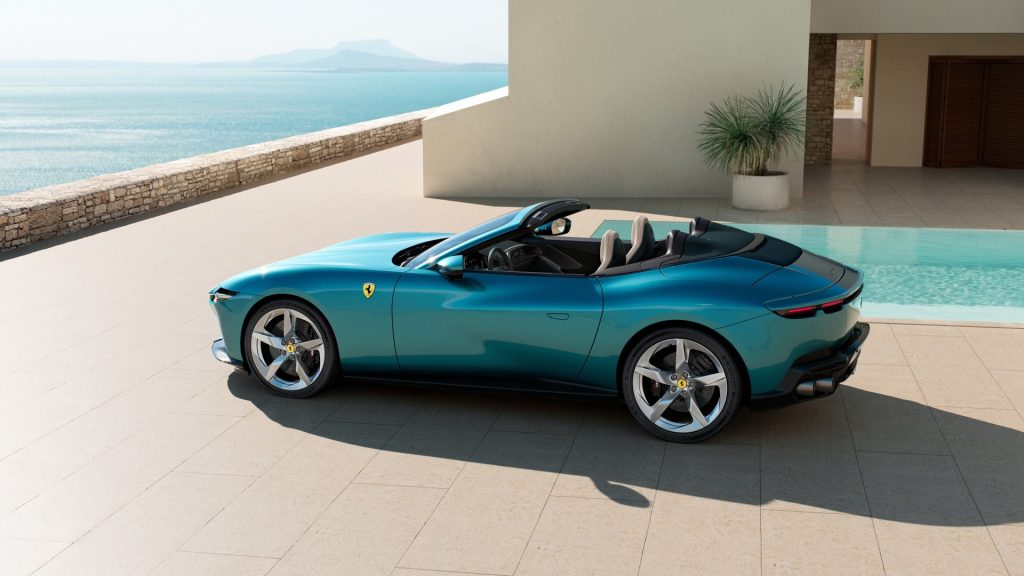
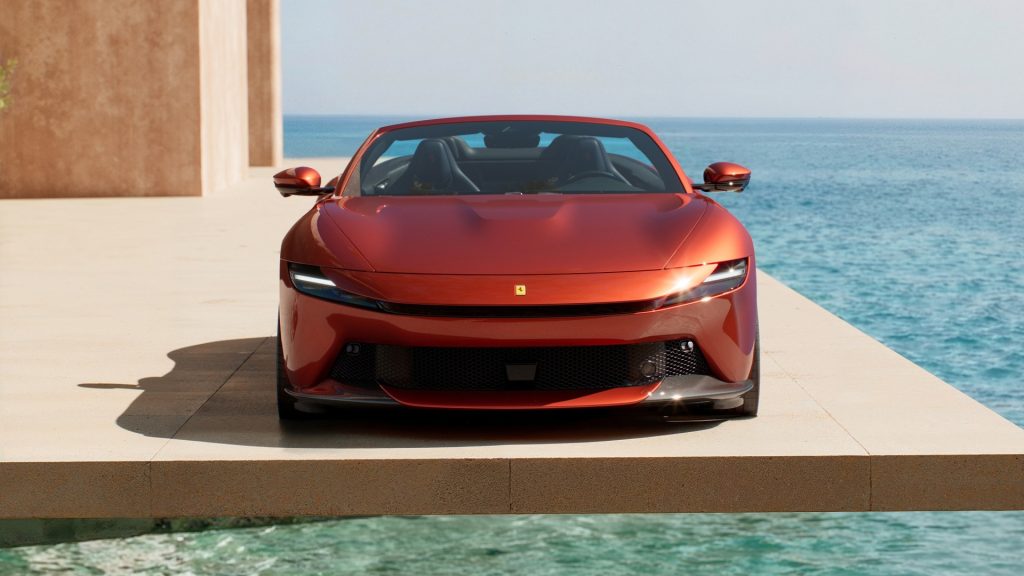
Ferrari Ital Auto Malaysia unveiled the Ferrari Amalfi Spider at its Kuala Lumpur showroom on 2 September 2026, marking the regional Southeast Asian premiere of the open-top 2+2 grand tourer just five months following its global introduction.Serving as the convertible counterpart to the Amalfi coupe introduced earlier this year, the new model succeeds the Roma Spider in Ferrari’s front-mid-engine V8 roadster portfolio.
- Ferrari Amalfi Spider makes its ASEAN premiere in Kuala Lumpur, succeeding the Roma Spider in the brand’s front-mid-engine V8 convertible stable.
- Retains a 3.9-litre twin-turbo V8 outputting 640 PS and 760 Nm, matching the coupe’s 0–100 km/h time of 3.3 seconds alongside a 320 km/h top speed.
- Local pricing is estimated to exceed RM3 million inclusive of duties and taxes, with initial customer deliveries scheduled to commence in the first quarter of 2027.
While final on-the-road pricing in Malaysia remains subject to concluding taxation assessments, official brand representatives indicated that the Amalfi Spider will retail in excess of RM3 million once import duties and local taxes are applied.Initial customer deliveries for the domestic market are projected to start in the first quarter of 2027. Factory vehicle coverage includes Ferrari’s standard seven-year genuine maintenance programme, which covers routine scheduled servicing at intervals of 20,000 km or once annually through certified technical personnel.
| Specification / Metric | Ferrari Amalfi (Coupe) | Ferrari Amalfi Spider |
| Engine Configuration | 3,855 cc twin-turbo V8 (F154) | 3,855 cc twin-turbo V8 (F154) |
| Maximum Power | 640 PS (471 kW / 631 hp) @ 7,500 rpm | 640 PS (471 kW / 631 hp) @ 7,500 rpm |
| Peak Torque | 760 Nm @ 3,000–5,750 rpm | 760 Nm @ 3,000–5,750 rpm |
| Transmission | 8-speed dual-clutch F1 DCT | 8-speed dual-clutch F1 DCT |
| 0–100 km/h Acceleration | 3.3 seconds | 3.3 seconds |
| 0–200 km/h Acceleration | 9.0 seconds | 9.4 seconds |
| Top Speed | 320 km/h | 320 km/h |
| Dry Weight | 1,470 kg | 1,556 kg (+86 kg) |
| Weight Distribution (Front:Rear) | 50% : 50% | 48% : 52% |
| Roof Deployment Time | Fixed roof | 13.5 seconds (operable up to 60 km/h) |
| Luggage Capacity | 272 litres | 255 litres (roof closed) / 172 litres (roof stowed) |
| Dimensions (L x W x H; Wheelbase) | 4,656 x 1,974 x 1,301 mm; 2,670 mm | 4,660 x 1,974 x 1,305 mm; 2,670 mm |
Propulsion is derived from the latest evolution of Ferrari’s 3,855 cc twin-turbocharged F154 V8 engine, calibrated to generate 640 PS (631 hp) at 7,500 rpm and 760 Nm of torque across a broad plateau between 3,000 and 5,750 rpm.Power is channeled to the rear wheels via an eight-speed dual-clutch transmission.Despite an 86 kg gain in dry curb mass resulting from chassis strengthening and roof hydraulic mechanicals, the Amalfi Spider registers an identical 0–100 km/h benchmark of 3.3 seconds and an identical 320 km/h top speed compared to its fixed-roof sibling.In the longer 0–200 km/h acceleration run, the convertible logs 9.4 seconds, an increase of four-tenths of a second over the coupe’s 9.0-second time.
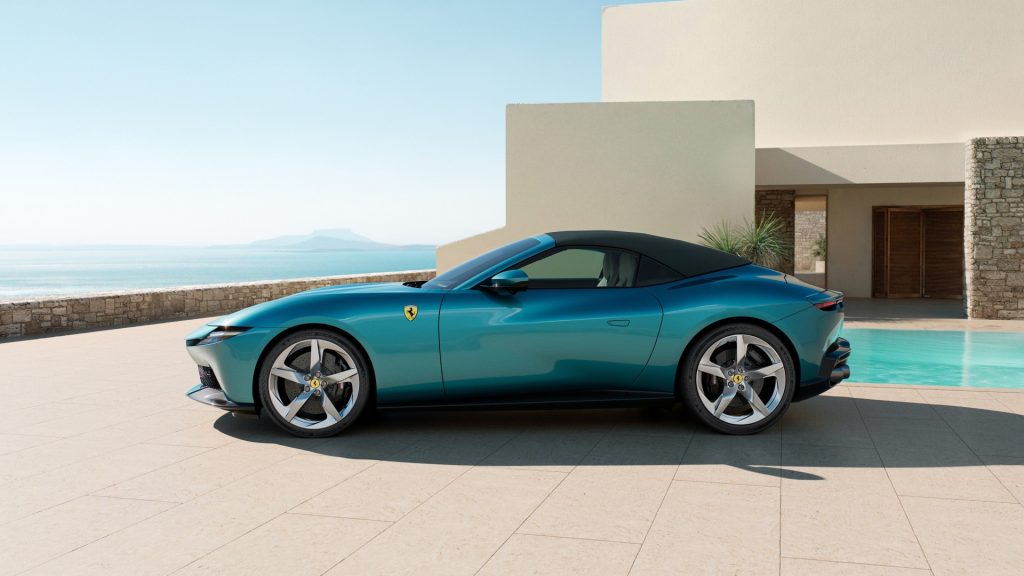
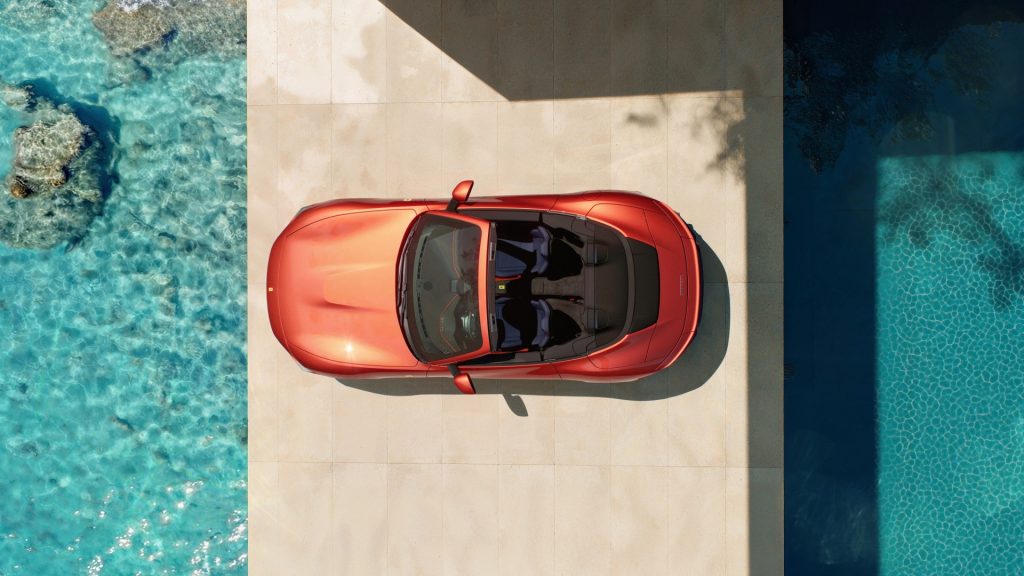
The folding soft top incorporates a Z-fold kinematic assembly covered in a five-layer acoustic fabric engineered to deliver sound and thermal insulation properties comparable to a retractable metal hardtop.The roof mechanism deploys or retracts in 13.5 seconds at driving speeds up to 60 km/h.When fully retracted, the roof stack measures 220 mm thick, preserving 172 litres of cargo volume in the boot, expanding to 255 litres when the roof is raised.To minimize cabin turbulence during roof-down driving, an automated wind deflector integrated directly into the rear seat backrest can be activated at speeds up to 170 km/h, extending to a 101-degree angle to channel air over the cockpit, remaining operational up to the car’s maximum speed.
Chassis tuning and aerodynamic systems are carried over from the coupe program:
- An active rear spoiler integrated into the boot lid with three automated operating configurations: Low Drag (LD), Medium Downforce (MD), and High Downforce (HD).
- Staggered 20-inch alloy wheels wrapped in 245/35 R20 tyres at the front and 285/35 R20 tyres at the rear.
- Brake-by-wire system working in combination with Ferrari’s ABS Evo controller, originally developed for the 296 GTB platform.
- Side Slip Control (SSC) 6.1 architecture managing electronic stability, traction control, and the electronic differential (E-Diff).
- Five-position steering wheel Manettino dial with Wet, Comfort, Sport, Race, and ESC-Off presets.
- Optional hydraulic front-axle lifter capable of raising vehicle ride height by 40 mm to clear urban road obstacles.
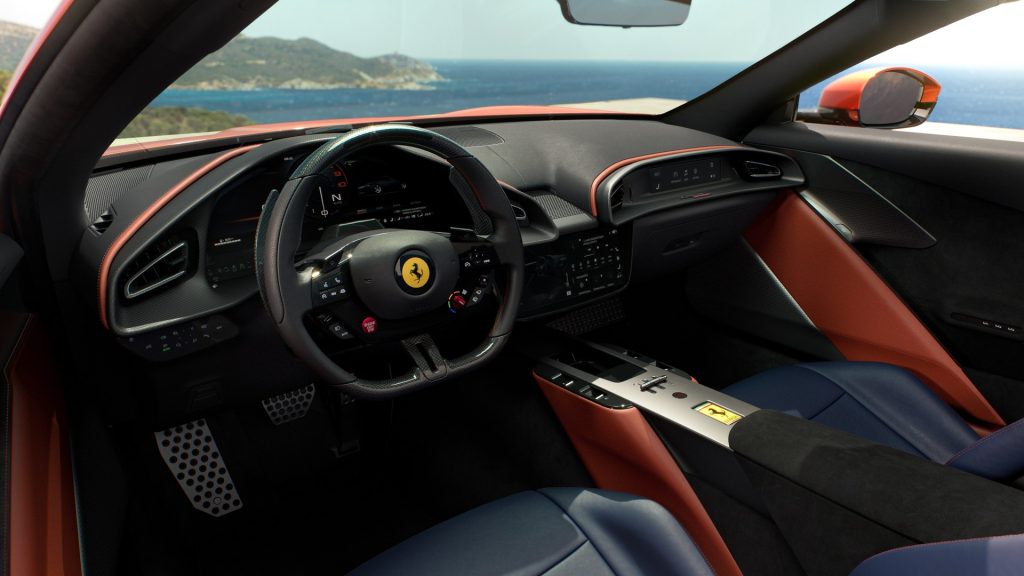
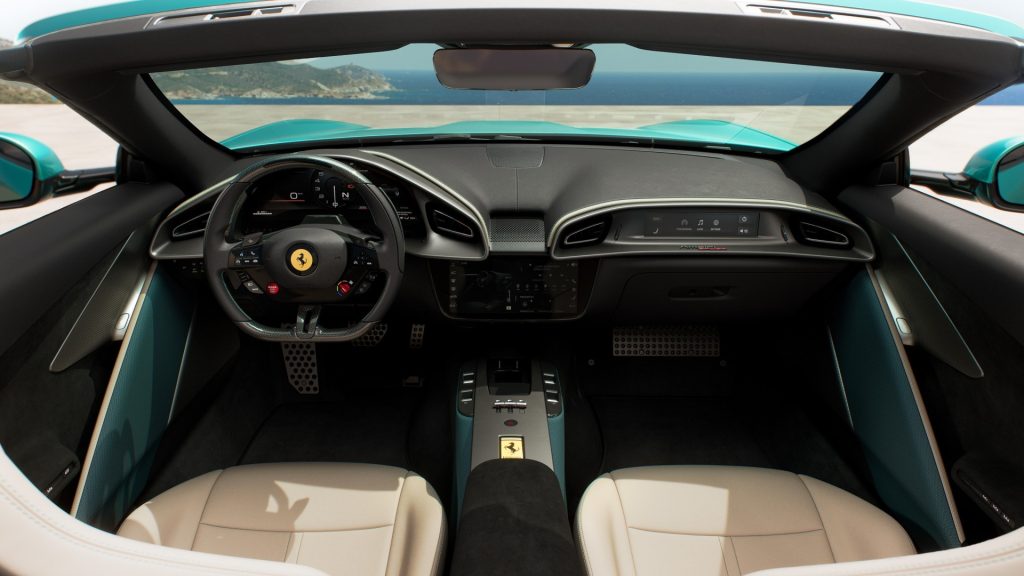
The interior adopts Ferrari’s dual-cockpit layout, separating driver and passenger modules with continuous console lines.The steering wheel transitions back to physical switchgear and mechanical buttons—including a physical engine start button—moving away from full capacitive touch panels.Information is displayed across a 15.6-inch digital instrument cluster and a 10.25-inch central multimedia touchscreen featuring wireless Apple CarPlay and Android Auto connectivity, complemented by an optional 8.8-inch passenger-side auxiliary display showing engine telemetry and g-force parameters.Customisation options for the fabric roof include four primary shades and two technical textiles, including a multidimensional iridescent weave designated as Tecnico Ottanio.