 Zakirin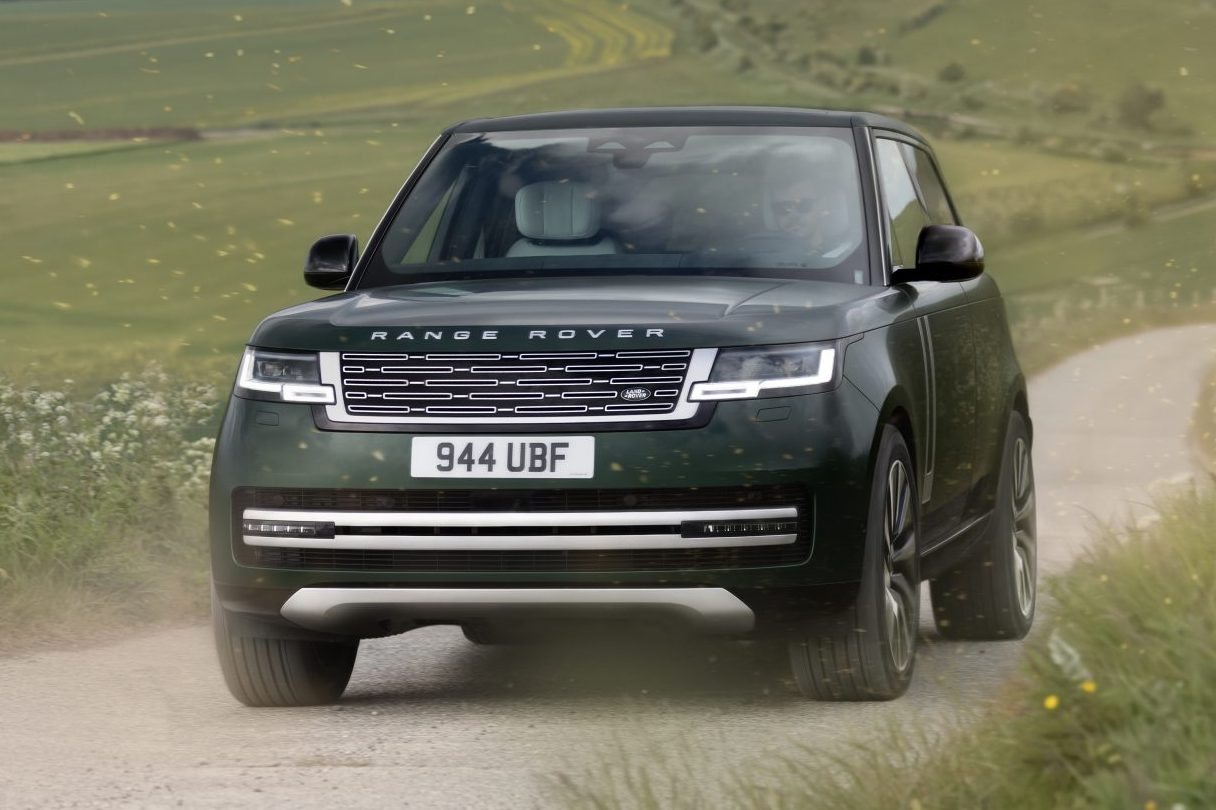
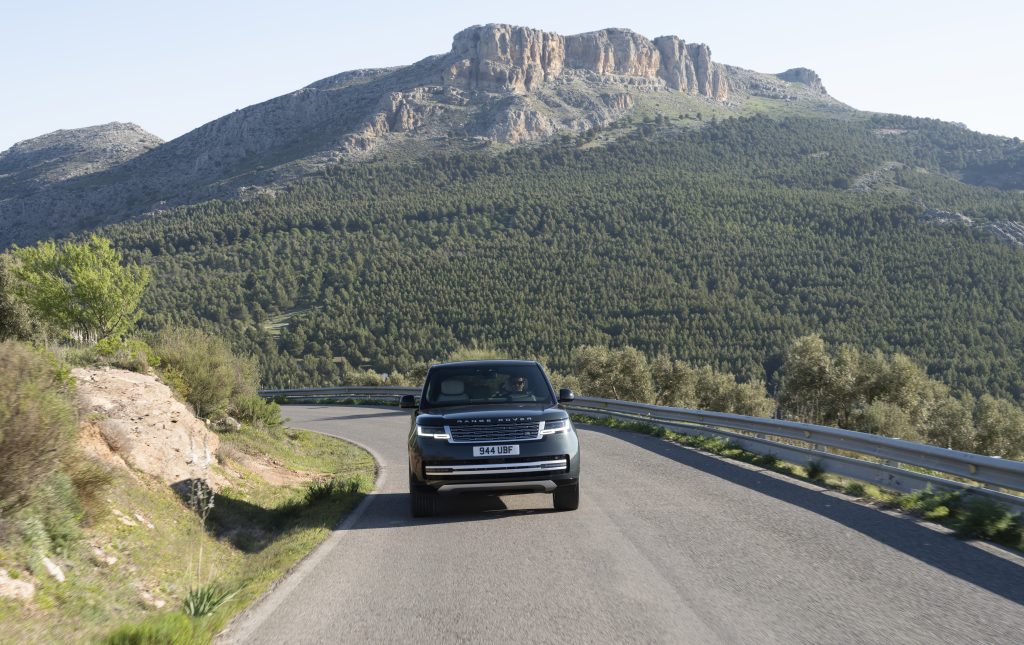
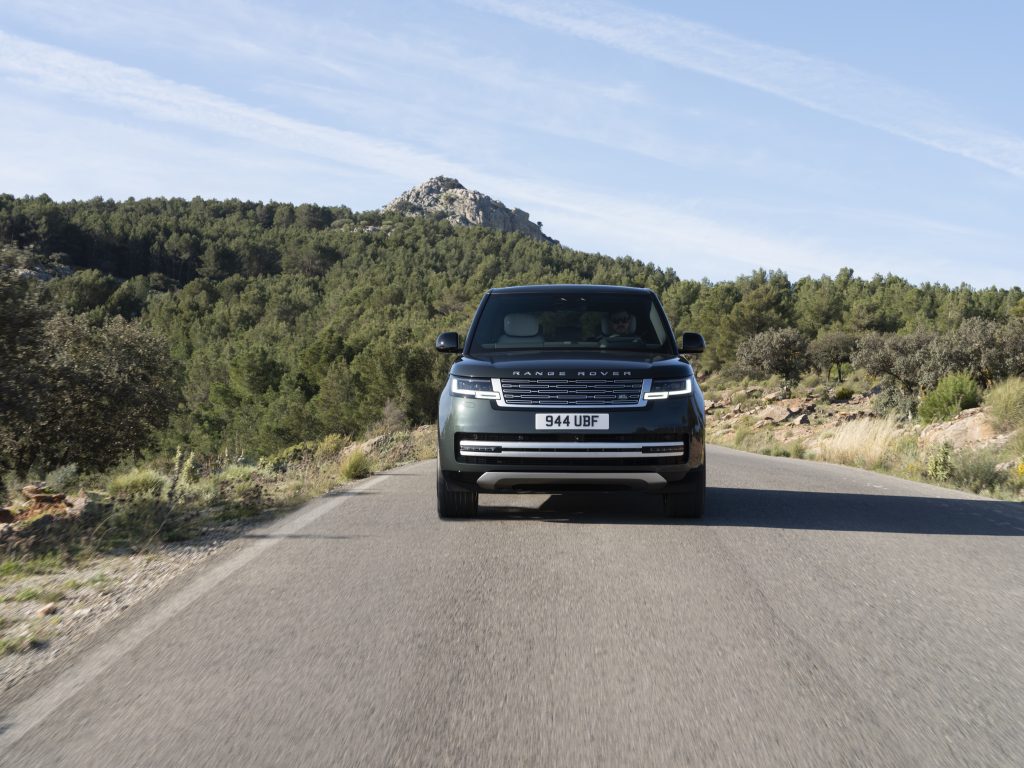
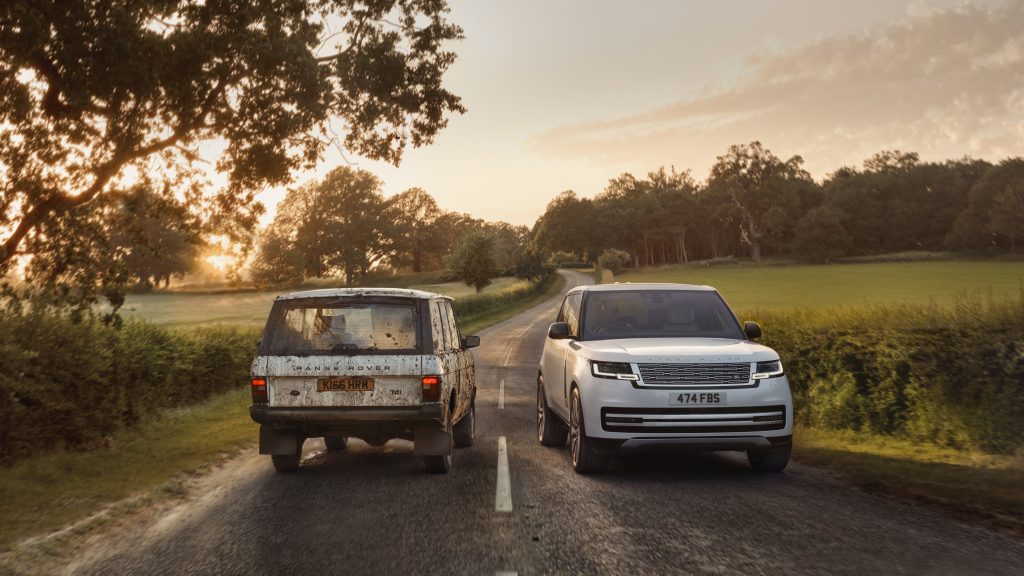
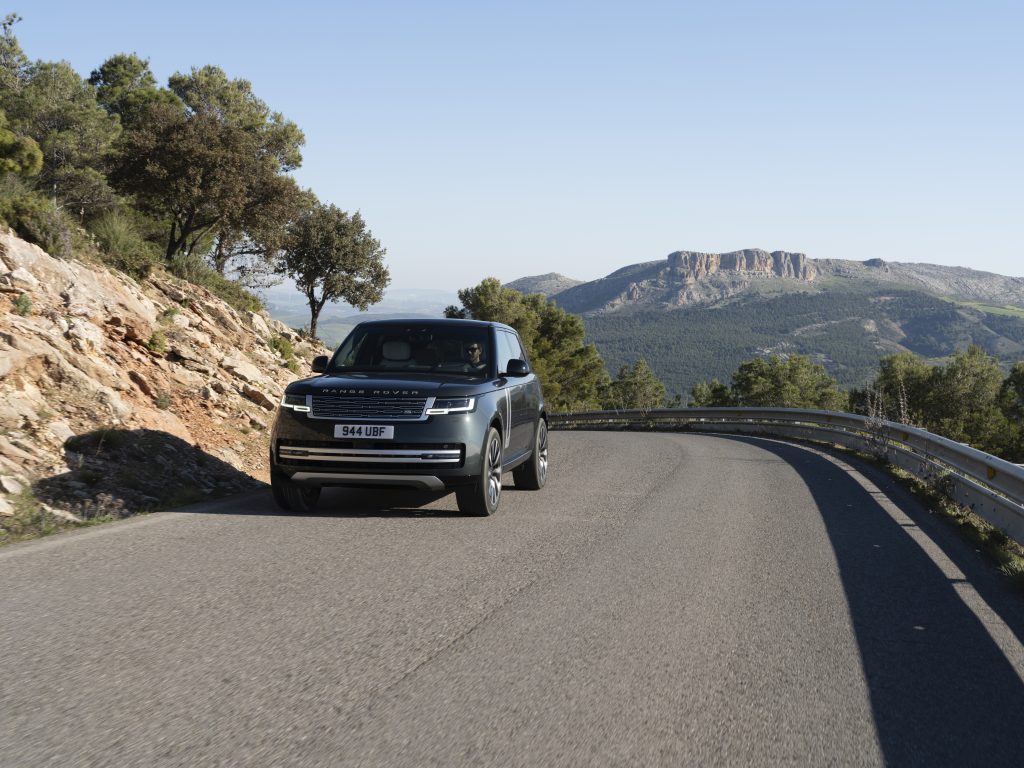
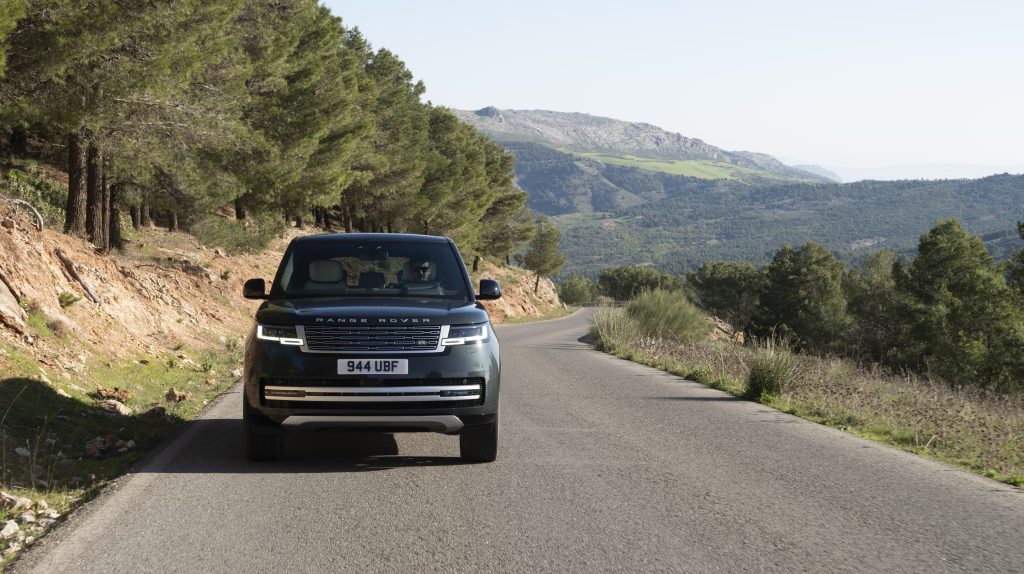
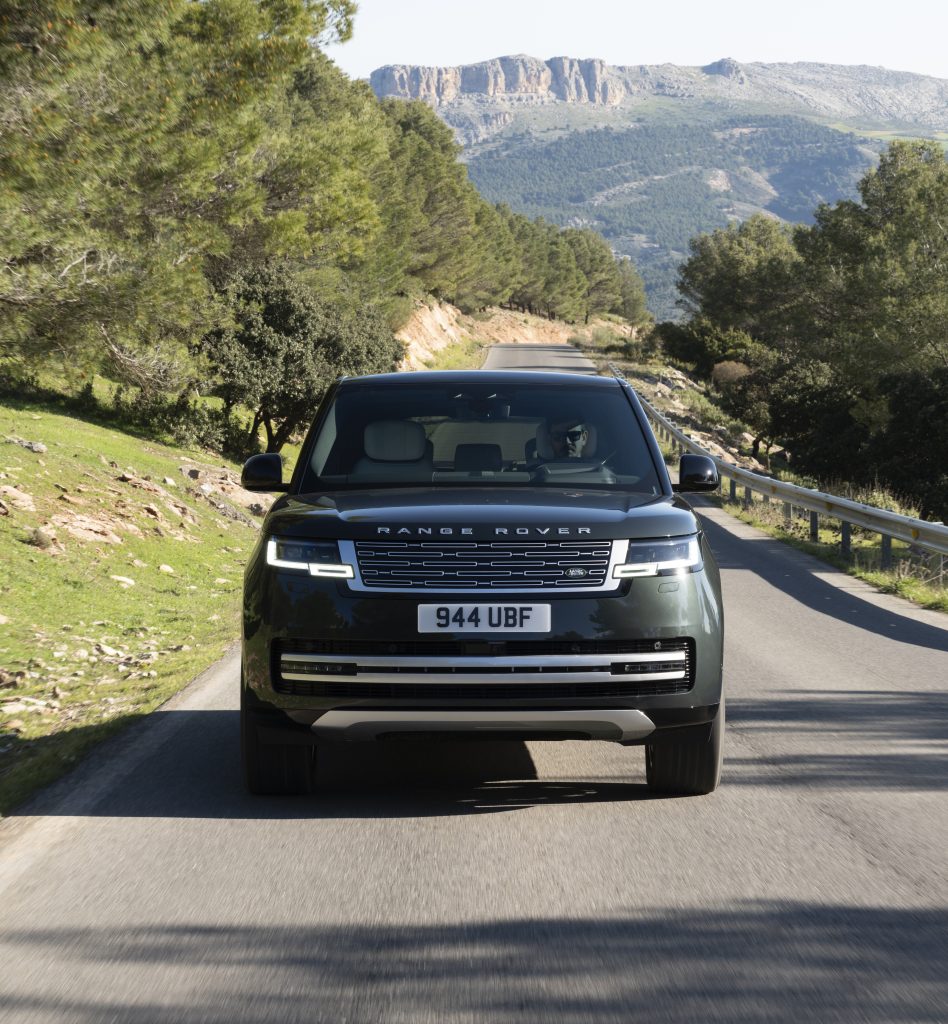
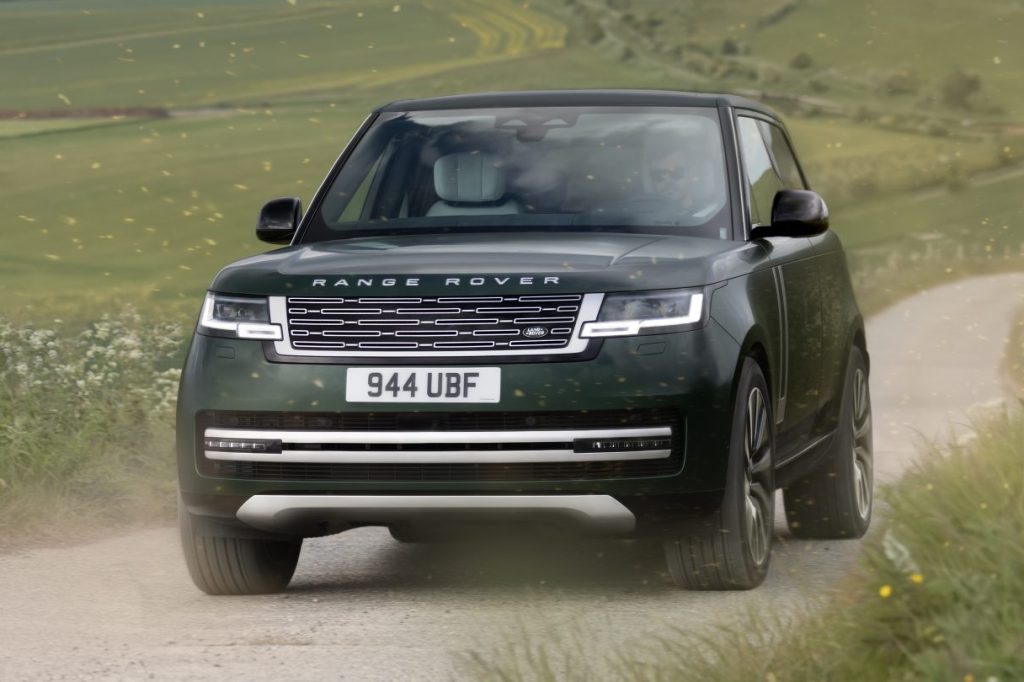
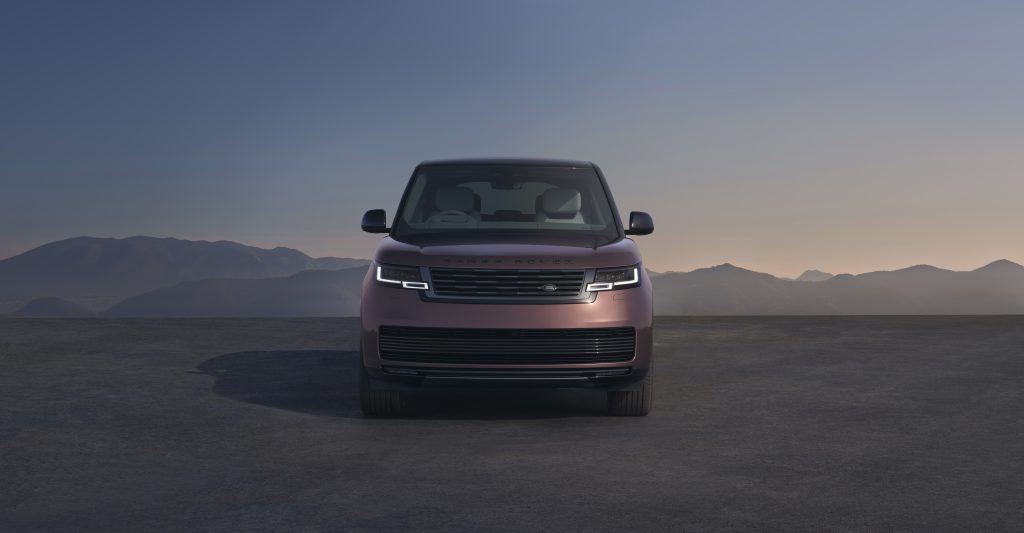
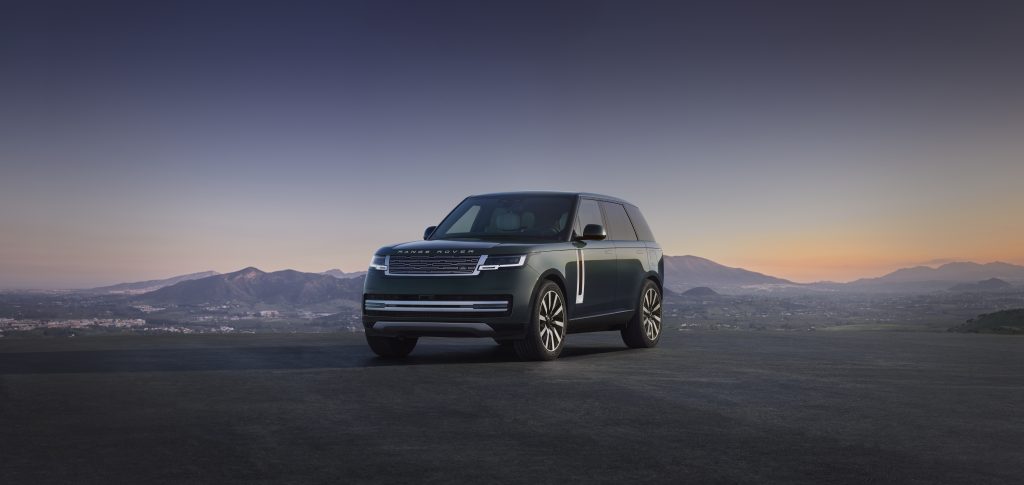
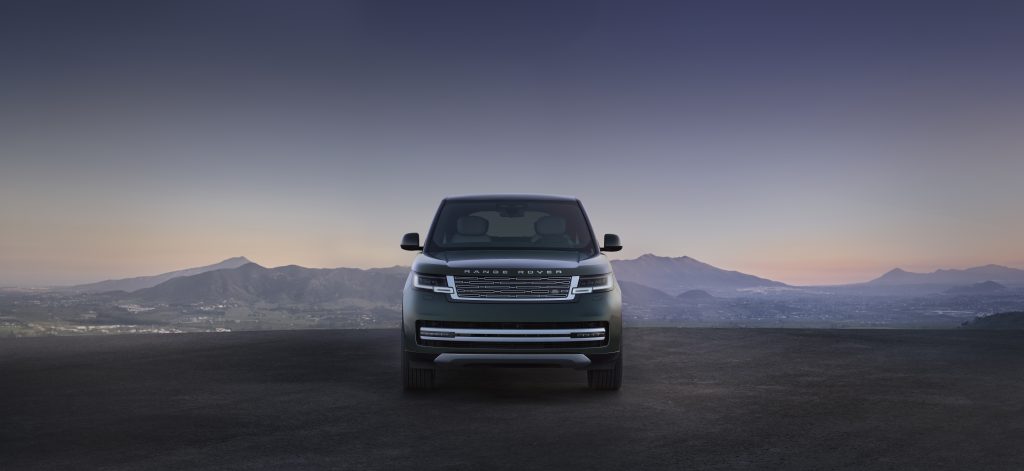
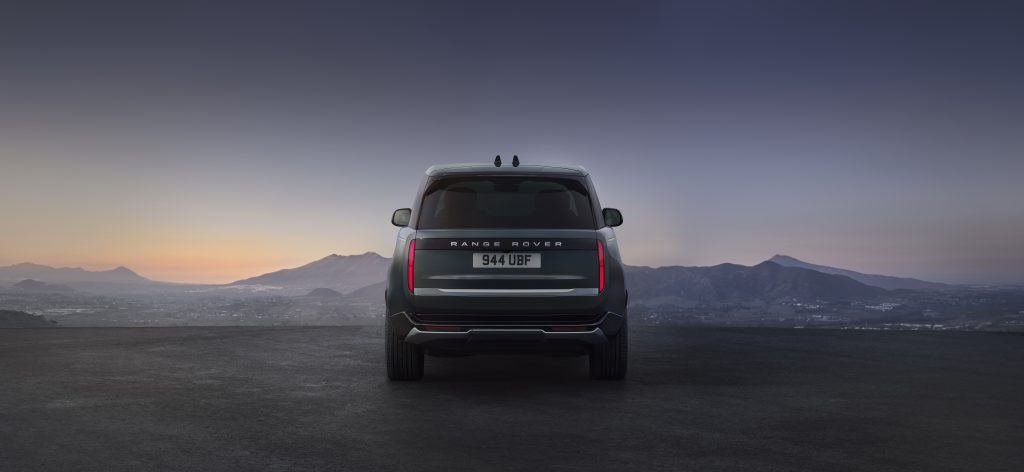
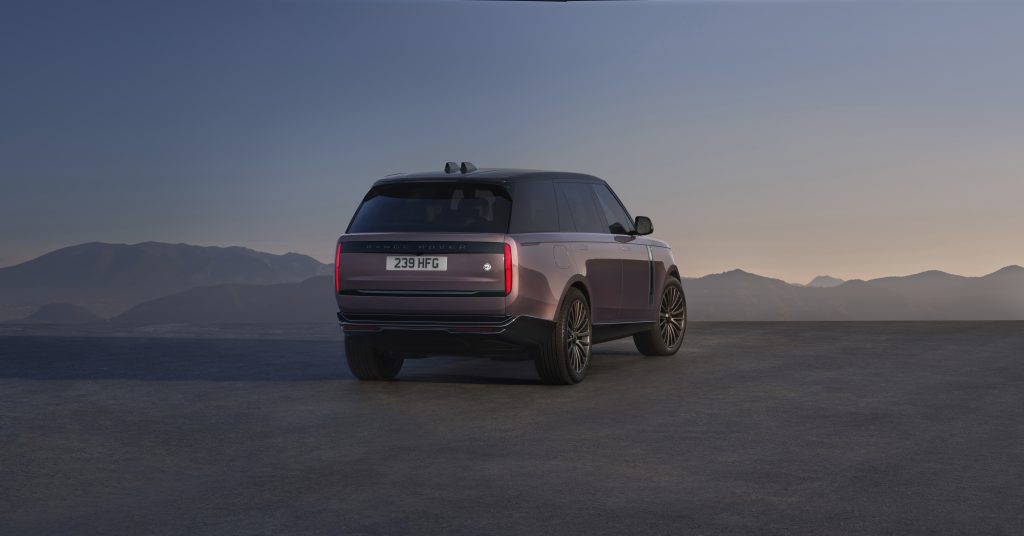
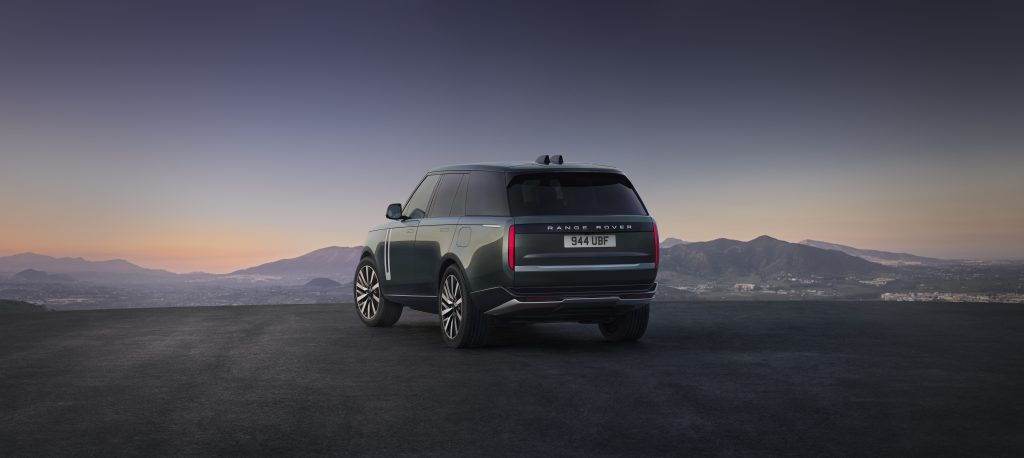
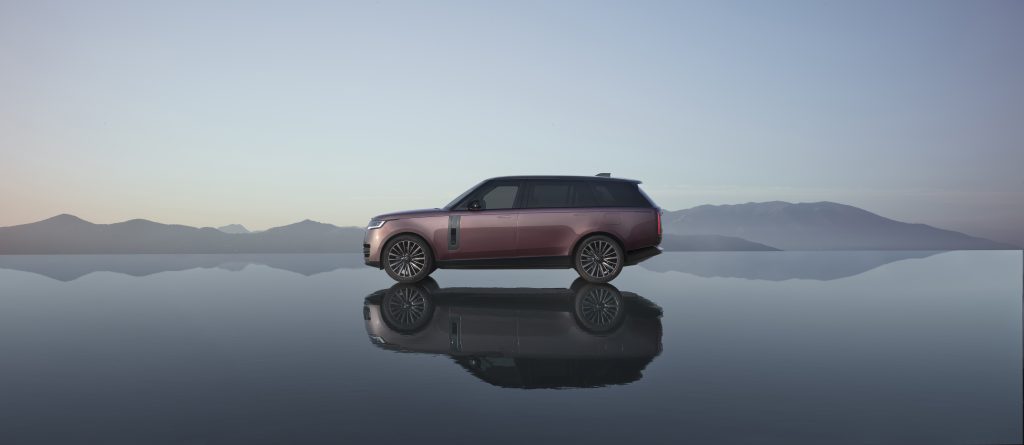
Jaguar Land Rover has officially revealed the Range Rover Electric, transitioning its flagship luxury sport utility vehicle into a fully battery-powered configuration. Built on the flexible Modular Longitudinal Architecture, the vehicle retains the proportions and structural profile of its internal combustion counterparts while integrating twin electric drive units developed in-house. The manufacturer has focused on preserving the core attributes associated with the nameplate, engineering the electric model to deliver equal or superior all-terrain capability compared to traditional V8-powered iterations. With order books now open in international markets ahead of initial customer handovers, the model establishes a technical baseline for the British marque’s progressive electrification strategy.
Key Points
- The Range Rover Electric is equipped with a 118.5-kilowatt-hour battery pack and an 800-volt electrical architecture supporting direct-current fast charging up to 350 kilowatts.
- A dual-motor powertrain produces a combined output of 405 kilowatts and 850 Newton-metres of torque, enabling a zero-to-100 km/h acceleration time of 4.5 seconds.
- The vehicle maintains authentic cross-country capabilities, including a 900-millimetre water wading depth, a 3,500-kilogram braked towing rating, and direct motor slip control calibrated in milliseconds.
Powertrain Specifications and 800-Volt Architecture
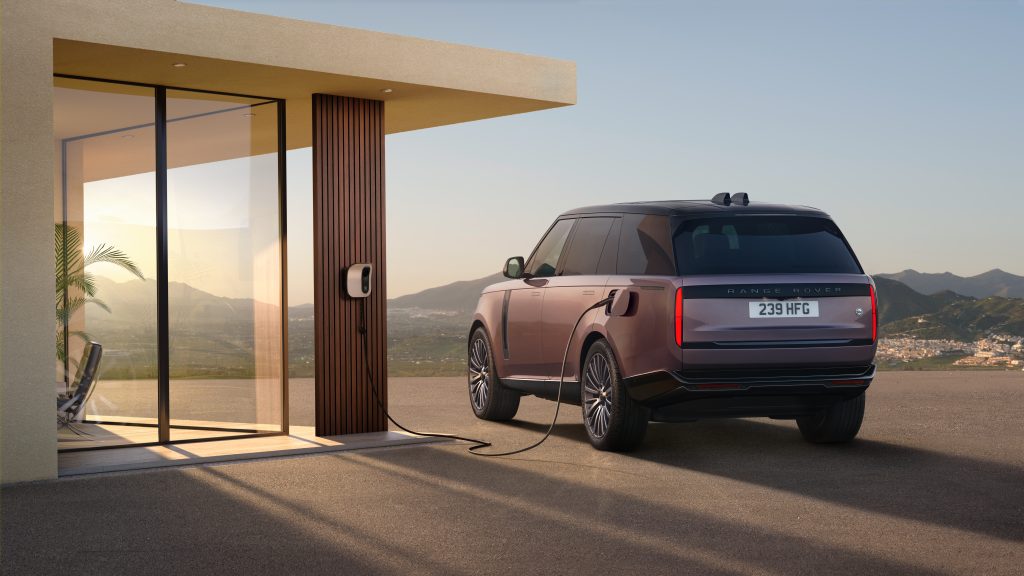
Underpinning the Range Rover Electric is a dedicated dual-motor configuration that integrates a permanent-magnet synchronous motor onto each axle, providing permanent intelligent all-wheel drive. Together, these units deliver a total system output of 405 kilowatts—equivalent to 542 horsepower—and 850 Newton-metres of continuous torque. This output allows the luxury SUV to accelerate from a standstill to 100 km/h in 4.5 seconds, matching the straight-line acceleration metrics of the brand’s 4.4-litre twin-turbocharged V8 variants while eliminating mechanical gear shifting.
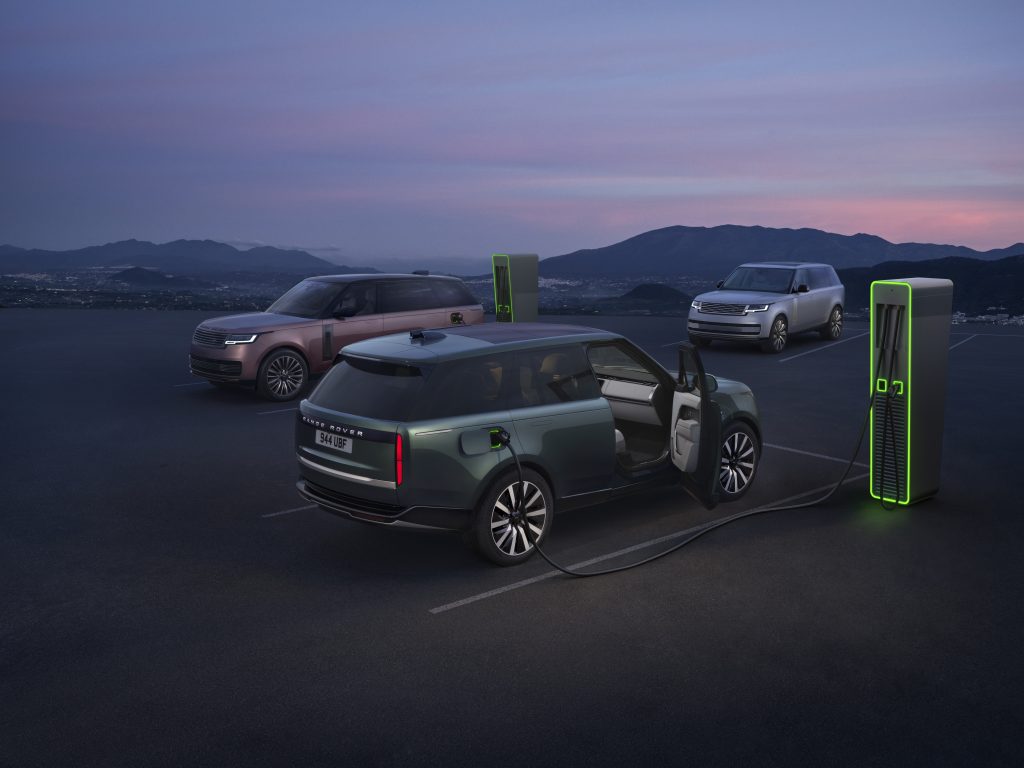
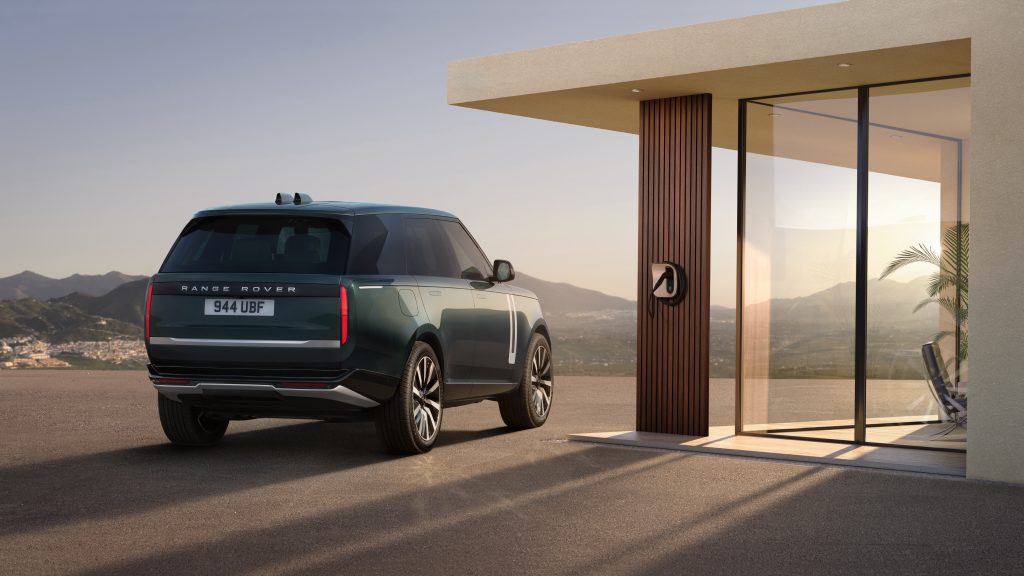
Energy storage is managed by an underfloor 118.5-kilowatt-hour double-stacked lithium-ion battery pack featuring prismatic nickel-manganese-cobalt cells and an integrated liquid thermal management system. The vehicle adopts an 800-volt electrical architecture, which enables direct-current rapid charging at rates of up to 350 kilowatts. Under optimal public charging conditions, the battery can replenish from a 10 percent state of charge to 80 percent in approximately 22 minutes. On alternating current, the onboard charger supports input capacities up to 19.2 kilowatts. The table below outlines the primary powertrain parameters and technical targets registered for the new model:
| Technical Parameter | Specification |
| Drivetrain Layout | Twin permanent-magnet electric motors (AWD) |
| Total System Power | 405 kW (542 hp / 550 PS) |
| Maximum Torque Output | 850 Nm |
| Battery Pack Capacity | 118.5 kWh gross (double-stacked lithium-ion) |
| Electrical Architecture | 800 volts |
| Maximum DC Charging Rate | Up to 350 kW (10–80% in 22 minutes) |
| Maximum Estimated WLTP Range | Up to 600 km (372 miles) |
| Acceleration (0–100 km/h) | 4.5 seconds |
The integration of the battery assembly within the vehicle’s floor pan lowers the overall centre of gravity compared to combustion-powered siblings. This structural packaging distributes weight evenly across both axles, which engineers assert improves directional stability during lateral transitions without compromising cabin headroom or luggage space.
All-Terrain Capabilities and Slip Control Engineering
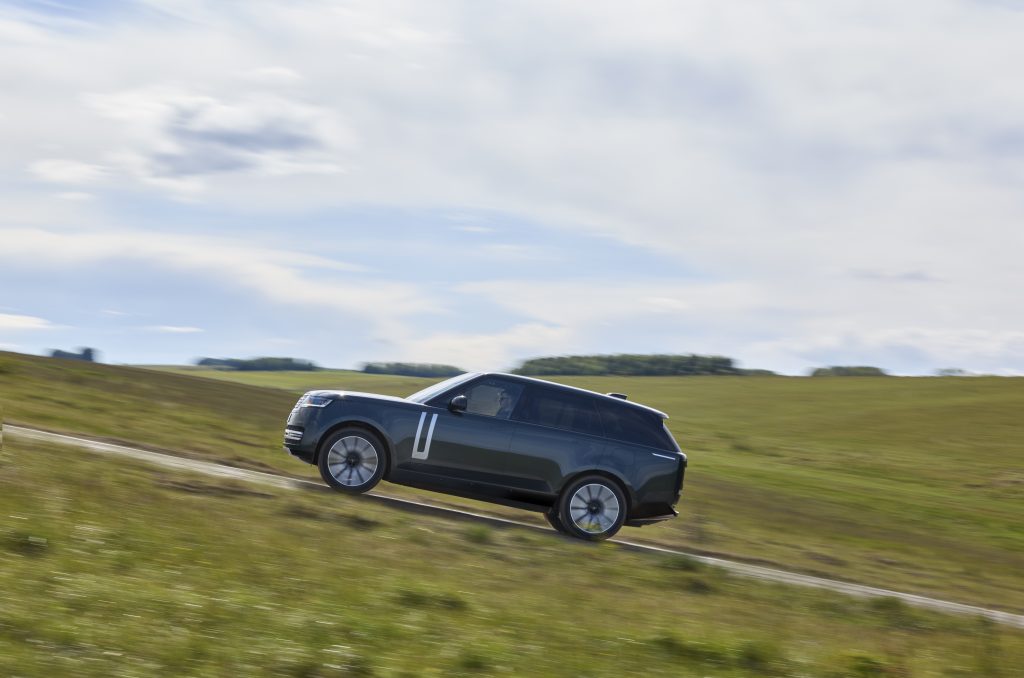
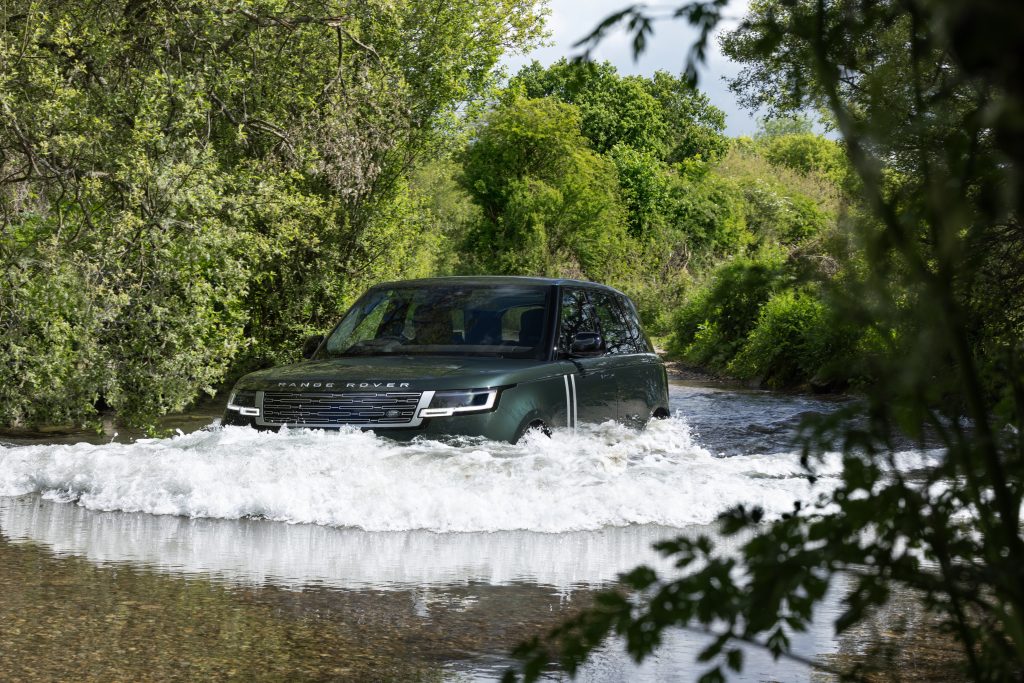
Preserving the model’s off-road pedigree was a primary engineering directive during the multi-year testing programme, which subjected prototypes to sub-zero conditions in Sweden and extreme desert heat in the United Arab Emirates. The electric SUV matches the 900-millimetre water wading depth of the standard combustion Range Rover, an achievement made possible by hermetically sealing the high-voltage electrical enclosures, drive units, and battery housings. An automated air suspension system raises the chassis when Wade Mode is activated, while sensors in the door mirrors monitor external water levels in real time.
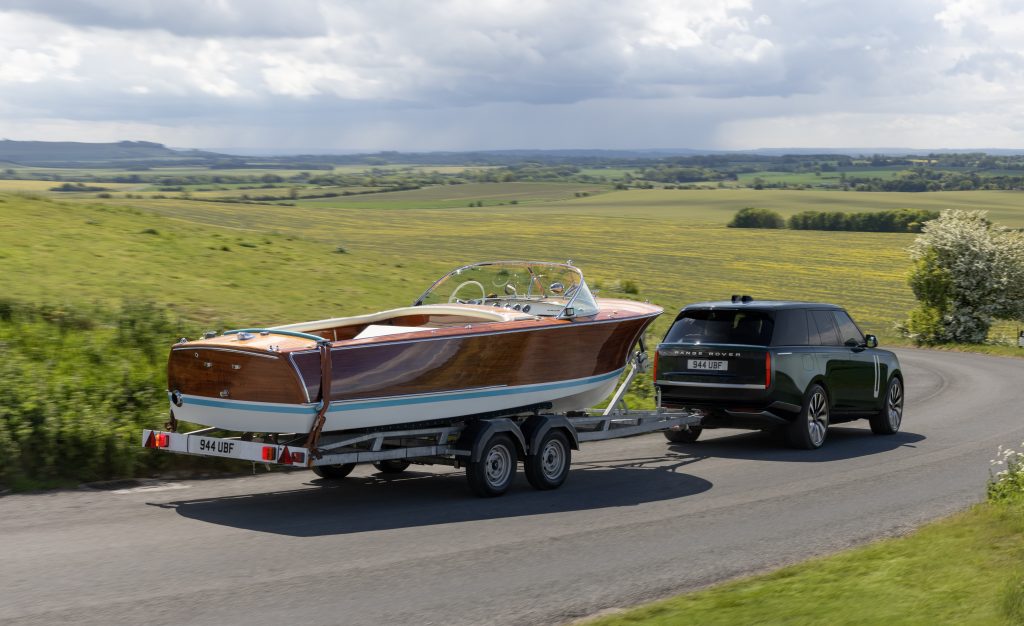
Towing performance remains rated at 3,500 kilograms for a braked trailer, matching conventional diesel and petrol luxury SUVs in this class. To manage power distribution on low-friction surfaces, engineers bypassed traditional anti-lock braking system routines in favour of a direct slip control mechanism. Rather than processing traction data through a central electronic brake control unit, traction management software is embedded directly within each electric drive unit. This configuration reduces wheel slip intervention latency from approximately 100 milliseconds down to a single millisecond, allowing instantaneous torque adjustments on gravel, mud, snow, and wet tarmac. Furthermore, the powertrain delivers sufficient low-end mechanical force to pull away smoothly on standing 33-degree inclines.
Acoustic Management and Cabin Architecture
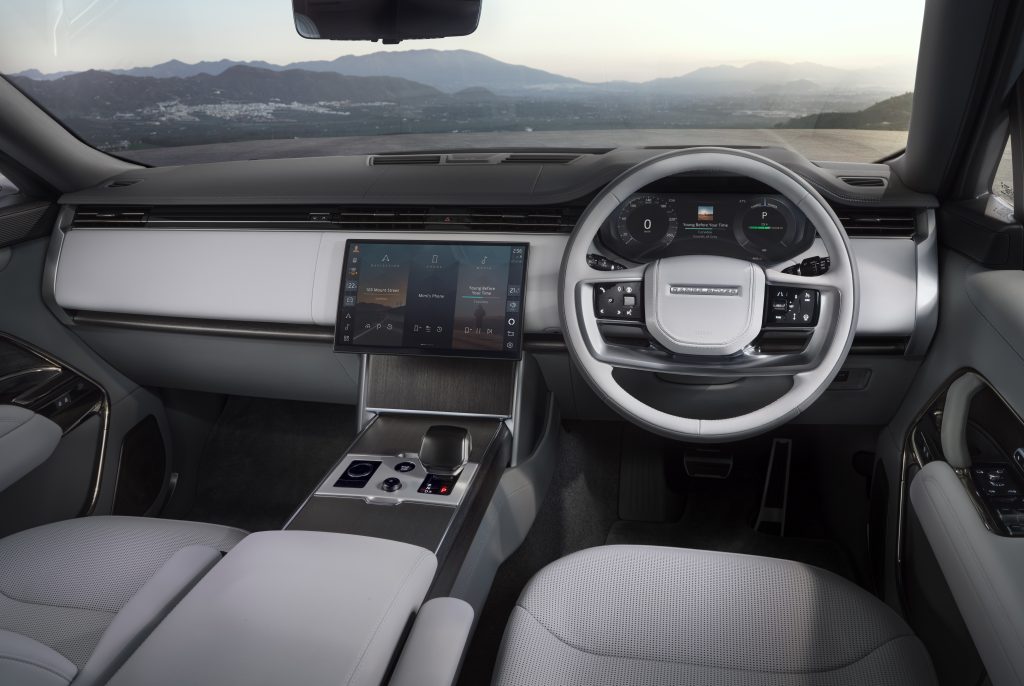
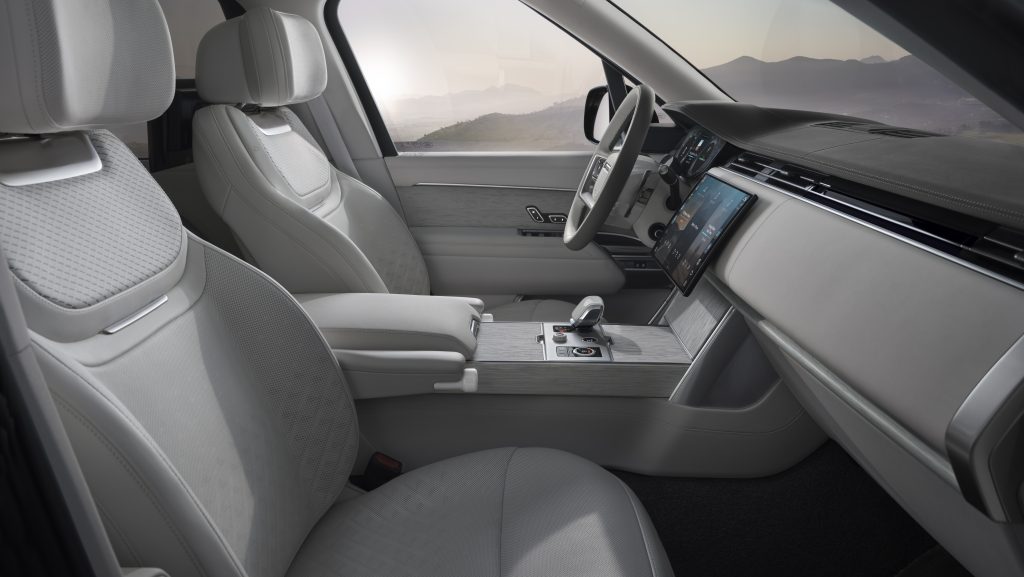
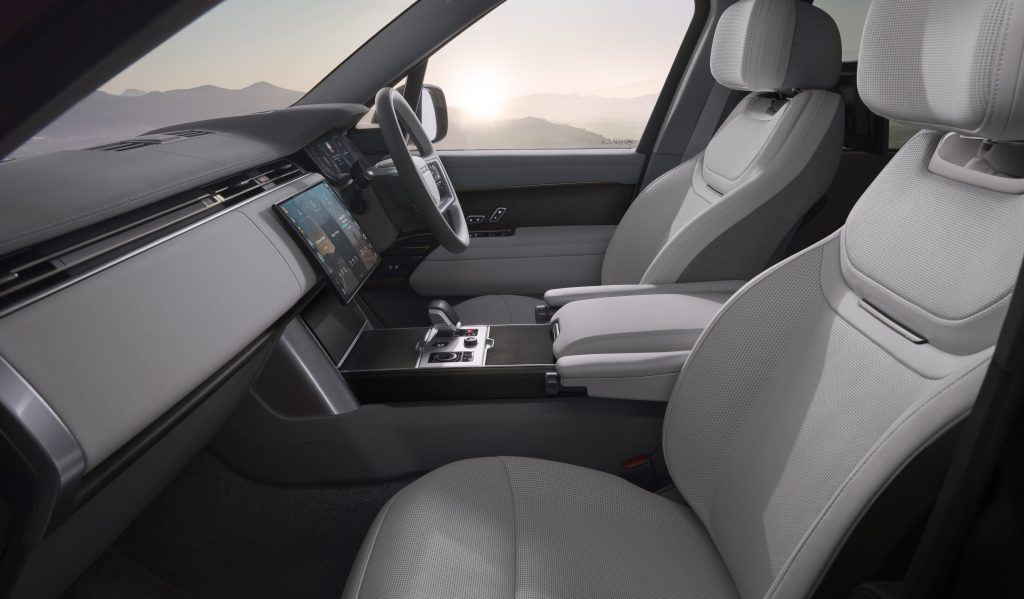
The passenger compartment of the Range Rover Electric builds on the existing fifth-generation cabin architecture while introducing noise mitigation measures designed specifically to compensate for the absence of an internal combustion engine. Because an electric powertrain removes masking engine frequencies, ambient sounds such as tyre roar, wind turbulence, and suspension travel become more perceptible to occupants. To counter this, the vehicle incorporates an upgraded active road noise cancellation system operating through the vehicle’s Meridian sound system.
The vehicle employs multiple acoustic sensors and cabin isolation technologies to create a subdued interior environment:
- Accelerometers positioned on each wheel suspension knuckle to detect chassis vibrations before sound enters the passenger cell.
- Active noise-cancelling processors that generate inverse sound waves through 35 individual speakers, including dedicated pairs integrated directly into the four main headrests.
- Acoustic laminated glazing on the windscreen, side windows, and panoramic roof assembly to deflect aerodynamic wind buffeting.
- Underfloor aerodynamic shielding and sound-absorption mats lining the wheel arches to attenuate road hiss from wide-tread tyres.
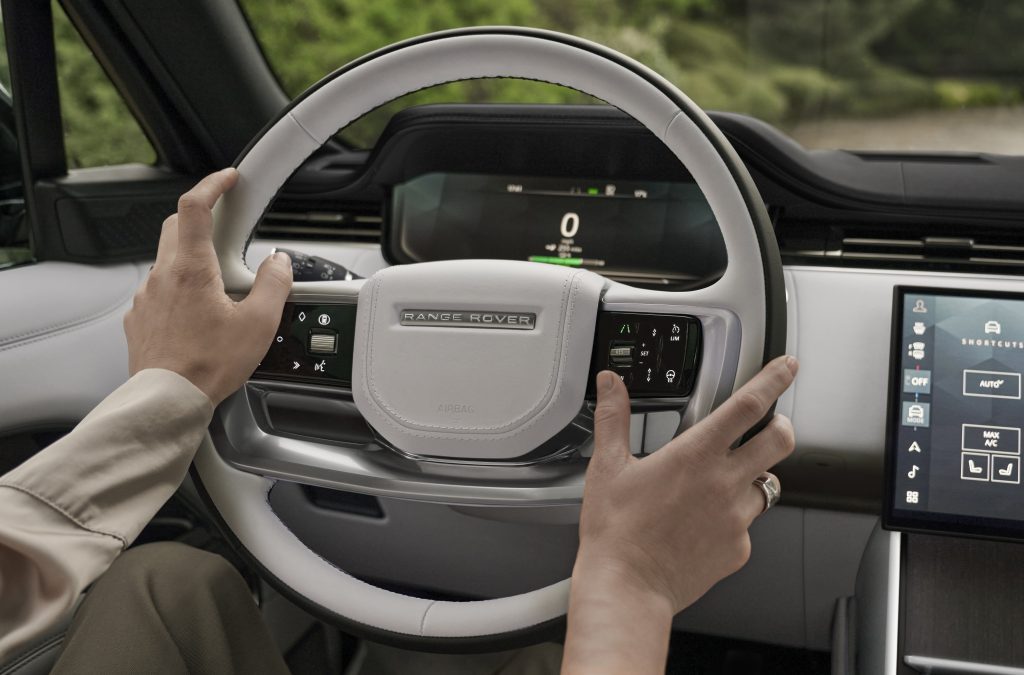
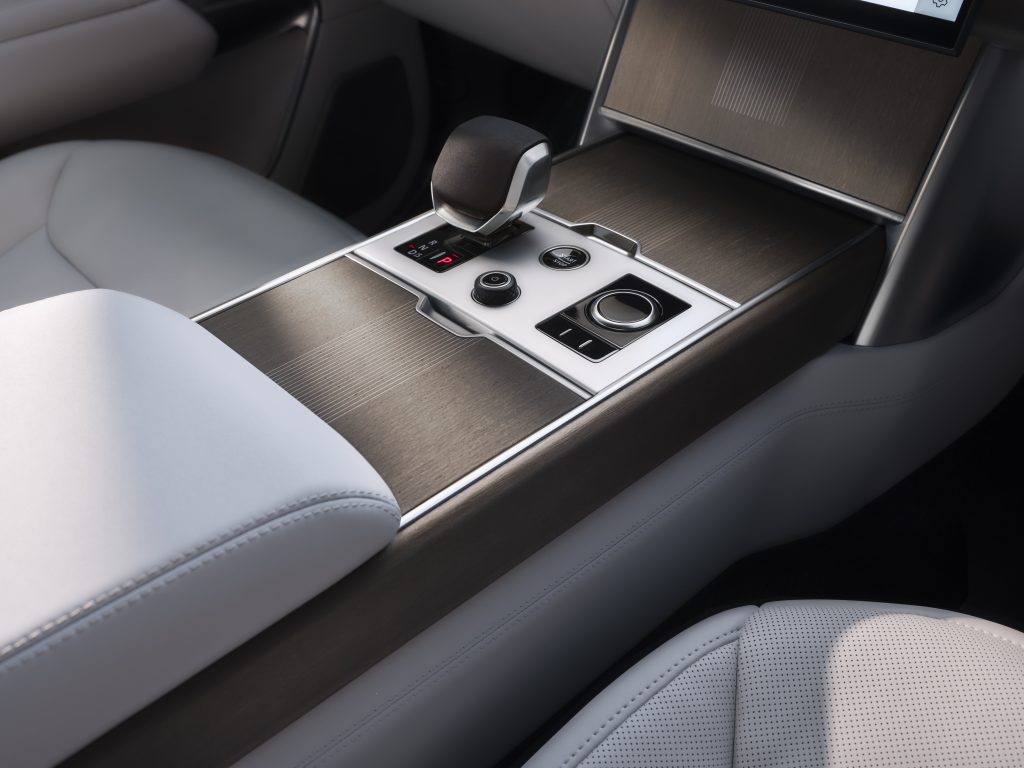
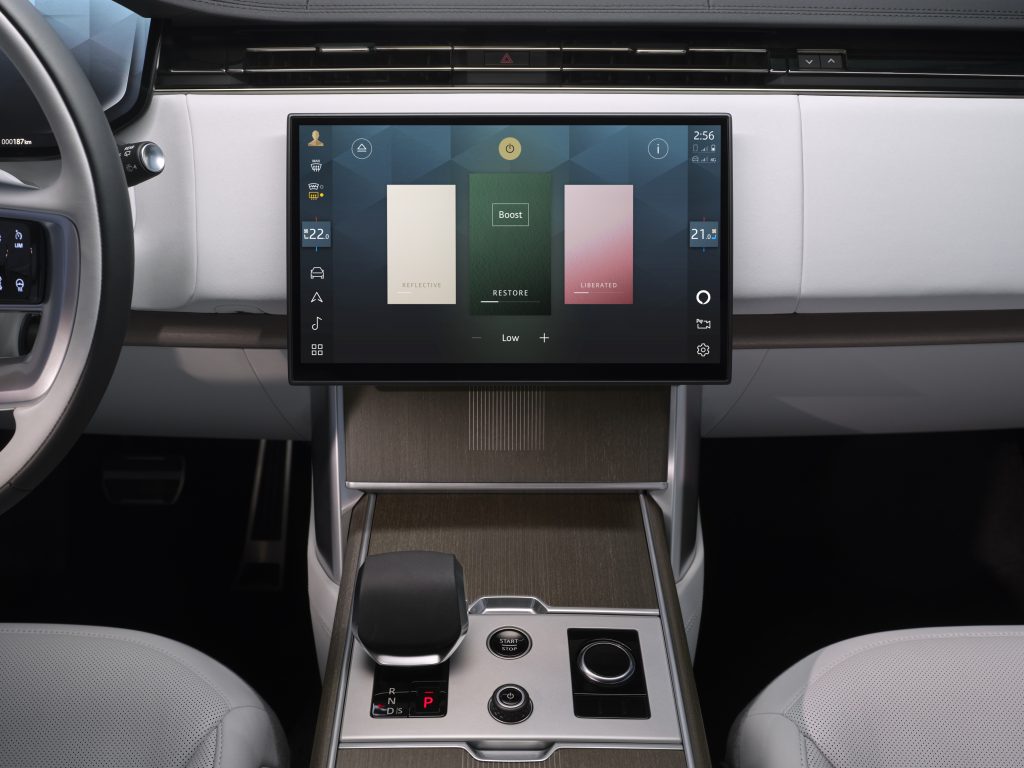
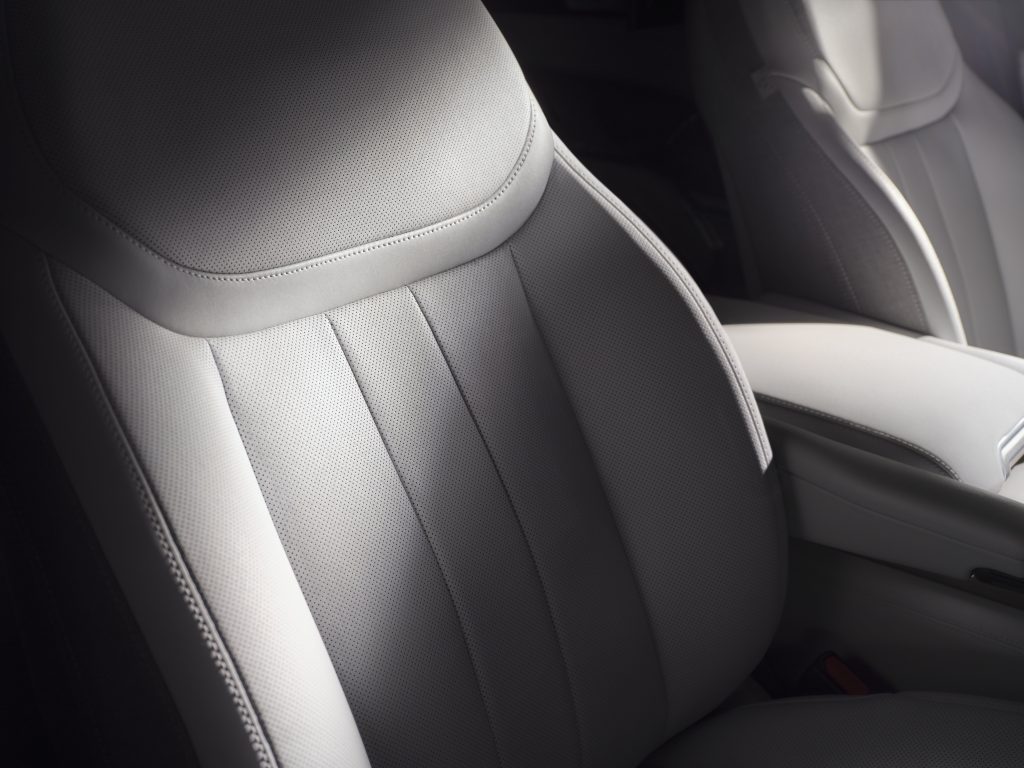
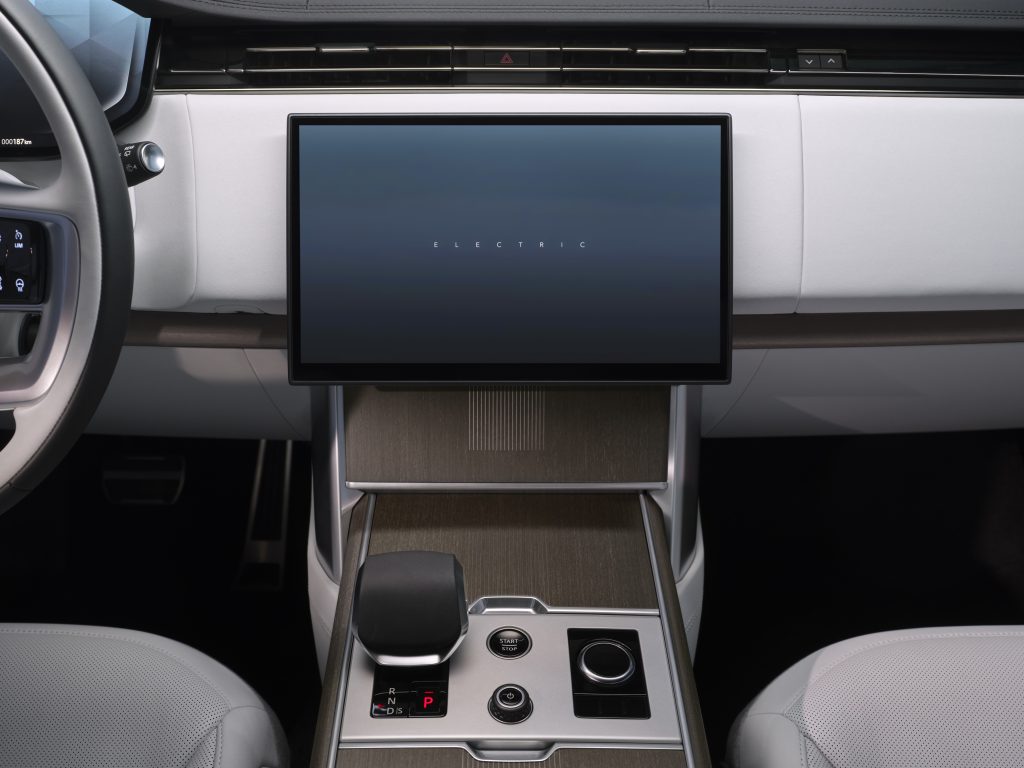
The dashboard layout centres around a 13.1-inch curved floating glass touchscreen operating the brand’s proprietary Pivi Pro infotainment software. The digital interface incorporates EV-specific routing menus that automatically account for topography, battery pre-conditioning status, and real-time charging station availability. The cabin retains physical controls for essential drive modes and suspension height adjustments, arranged alongside sustainable upholstery options such as Kvadrat wool-blend textiles and traditionally tanned semi-aniline leathers.
Malaysian Market Positioning and Fiscal Implications
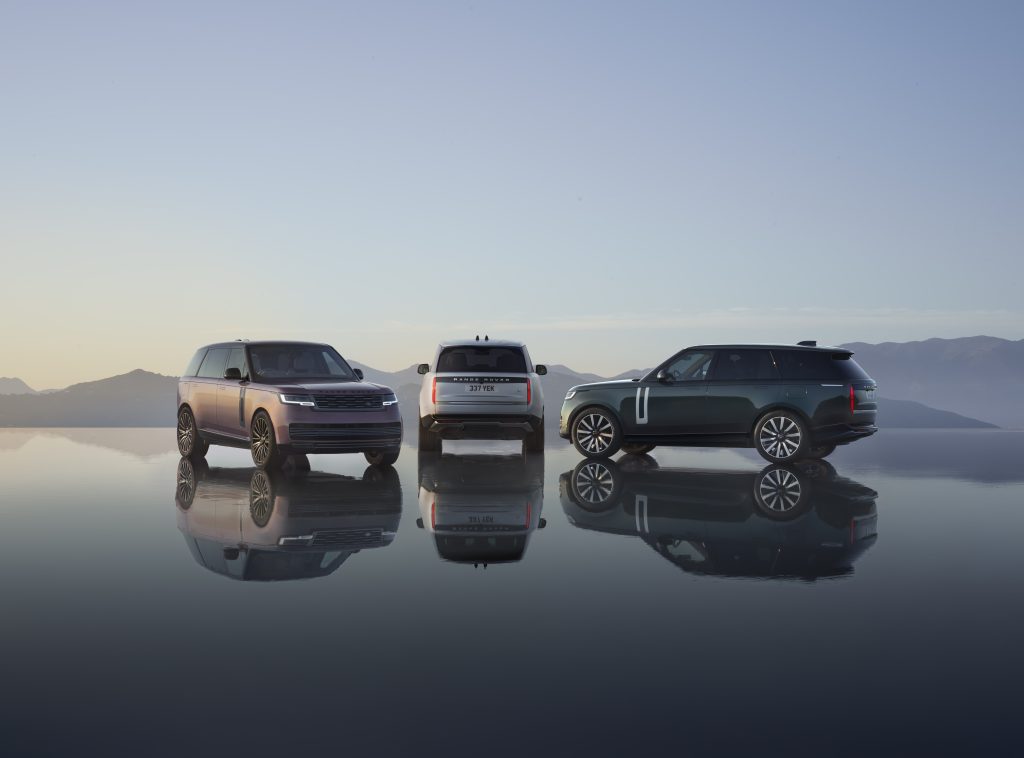
In the United Kingdom, order books for the Range Rover Electric have opened with prices starting at approximately RM910,000 before optional equipment and regional registration fees. While Jaguar Land Rover Malaysia, distributed locally under Sime Darby Motors, has not yet confirmed a specific launch date or local indicative pricing, historical import practices suggest that the model will occupy the upper tier of the luxury automotive space in Malaysia. Standard combustion variants of the current Range Rover currently command retail figures starting from RM1.25 million for standard wheelbase models, climbing past RM2.4 million for bespoke Autobiography specifications following standard customs import duties and local registration fees.
The introduction of an all-electric Range Rover will interact directly with Malaysia’s current regulatory and tax frameworks governing electric vehicles. The Malaysian Road Transport Department (JPJ) has established a structured road tax calculation framework for zero-emission vehicles, which bases annual road tax fees on total electric motor output in kilowatts rather than cubic capacity displacement. At an output rating of 405 kilowatts, the Range Rover Electric will sit within the upper tier of this taxation structure.
Within the domestic luxury market, the electric Range Rover will face established battery-powered competitors operating in the seven-figure price bracket, including the Mercedes-Maybach EQS SUV, the Lotus Eletre, and the Porsche Taycan Cross Turismo. Industry observers note that while luxury EV buyers in urban hubs such as Kuala Lumpur and Penang benefit from expanding high-power direct-current charging infrastructure along the North-South Expressway, the Range Rover Electric’s 900-millimetre wading capability offers practical appeal for affluent buyers dealing with seasonal urban flash floods. Final Malaysian specifications, warranty terms for the high-voltage battery pack, and dealership delivery dates are expected to be announced closer to the vehicle’s regional rollout.