 Zakirin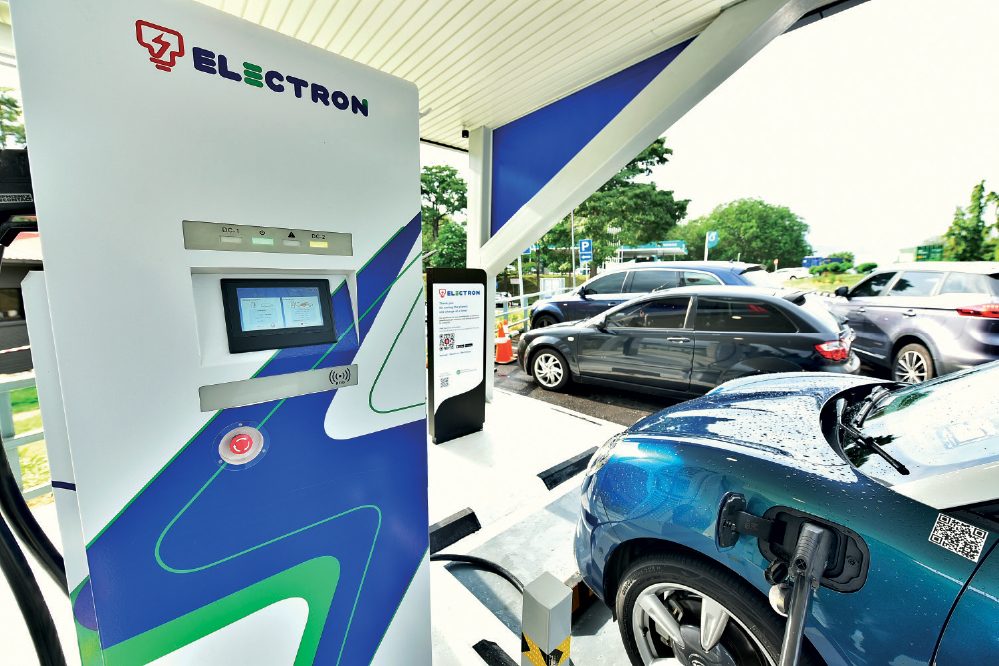
To address the nation’s ongoing charging infrastructure bottleneck, Putrajaya is exploring a new levy on electric vehicle (EV) sales. The revenue generated from this proposed charge would be funneled into a dedicated fund aimed specifically at expanding Malaysia’s public EV charging network.
Investment, Trade and Industry Minister Datuk Seri Johari Abdul Ghani raised the proposal in the Dewan Negara, emphasizing that the government faces financial limits and cannot build out a nationwide charging network entirely on its own.
Key Highlights of the Proposal
- Dedicated Infrastructure Fund: A proposed levy on EV sales would directly finance the construction of public charging hubs across the country.
- RM3.3 Billion in Foregone Revenue: The four-year tax holiday (2022–2025) on imported (CBU) EVs cost the government RM3.3 billion in uncollected duties and taxes, yet failed to spur adequate private-sector investment in public charging points.
- Strategic Shift in Incentives: Tax exemptions for imported EVs have officially ended, with future CBU tax collections earmarked for infrastructure projects. Meanwhile, tax incentives for locally assembled (CKD) EVs remain active through December 31, 2027, to support domestic manufacturing.
- Protecting Local Vendors: Foreign carmakers establishing local assembly—such as BYD in Tanjung Malim—must adhere to strict conditions to receive incentives. Requirements include exporting at least 80% of local production, pricing domestic sales above RM200,000, and actively integrating local vendors into their supply chain.
Rebuilding the Infrastructure Strategy
Rather than relying purely on vehicle distributors or private players to build out charging points voluntarily, the government aims to adopt a structured, fund-based approach. By reinvesting EV taxes and sales levies into the grid, Putrajaya seeks to expand the charging network while safeguarding the domestic automotive supply chain.