 Akmal Azhar
Public Ownership of Ferrari
Ferrari is no longer under the majority ownership of Fiat. Since December 2015, when the automaker separated from its former parent, Ferrari has been publicly traded. As of January 2016, the public holds the majority of Ferrari shares, meaning anyone—even you—can partially own the legendary Italian automaker by purchasing its stock. Despite this shift, the company’s internal governance remains firmly in the hands of its long-standing leaders and legacy stakeholders. Piero Ferrari, son of founder Enzo, retains over 10% of the business, and Exor N.V.—the holding company of the Agnelli family—controls more than 21%, keeping the brand tied closely to its historic Turin roots. Public shareholders collectively hold roughly 68%, but without enormous stakes, their influence on company decisions is minimal.
Strict Ferrari Buyer Criteria
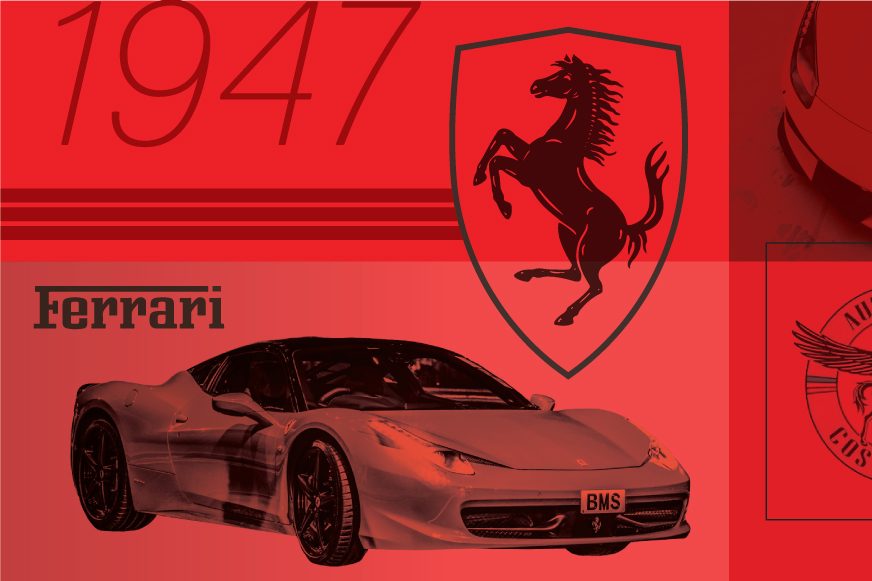
While anyone can own a fraction of Ferrari, that doesn’t guarantee driving access. The company is famously protective over who gets behind the wheel of its cars. Prospective owners—even those purchasing limited-edition models—undergo thorough vetting, which may include deep background and credit checks. Ferrari can refuse to sell if you own a Lamborghini, badmouth the brand publicly, or undertake extensive modifications to the vehicle. In some cases, your right to buy another Ferrari may be revoked—and ownership is restricted for a year before resale, keeping control tight.
Occasional Exceptions to Modification Rules
Curiously, if Ferrari feels slighted, it sometimes turns a blind eye—such as when tech luminary John Carmack modified his third-party, off-lease F50 with a turbo. But generally, the company closely monitors buyers’ relationships with the brand. It values its image and curatorially guides its clientele as if they were family.
Failed Ford Takeover and Fiat’s Entry
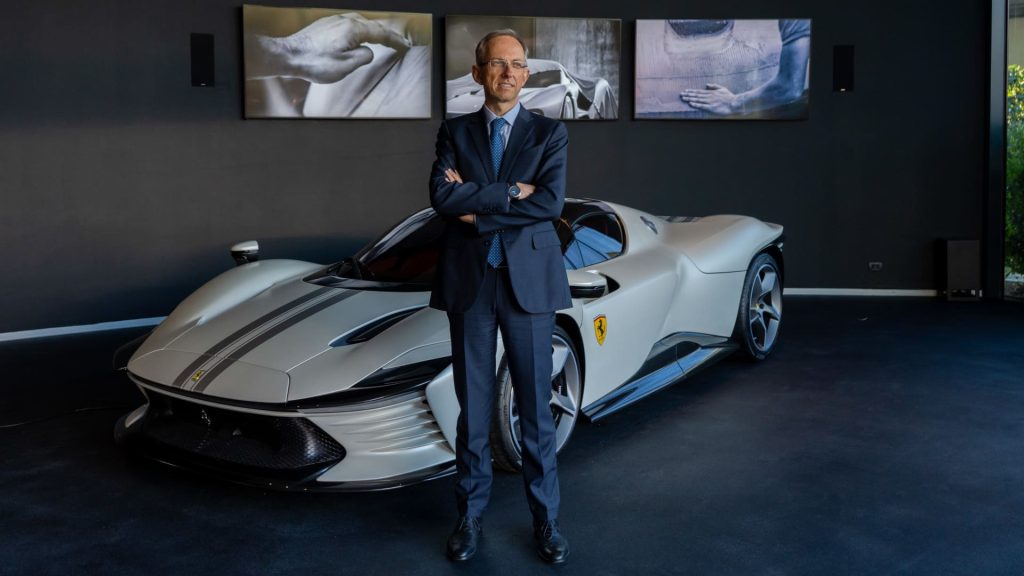
Though Ford nearly bought Ferrari in 1963, iconic founder Enzo Ferrari balked at relinquishing control of its racing division. The deal collapsed, and Ford famously retaliated at Le Mans with the GT40—claiming a historic 1‑2‑3 finish at the endurance race in 1966. In 1969, Fiat stepped in, purchasing a 50% stake following earlier financial assistance in the late 1950s. By 1988, Fiat owned 90%, leaving Enzo with just 10%.
Ferrari’s Home: Maranello Factory
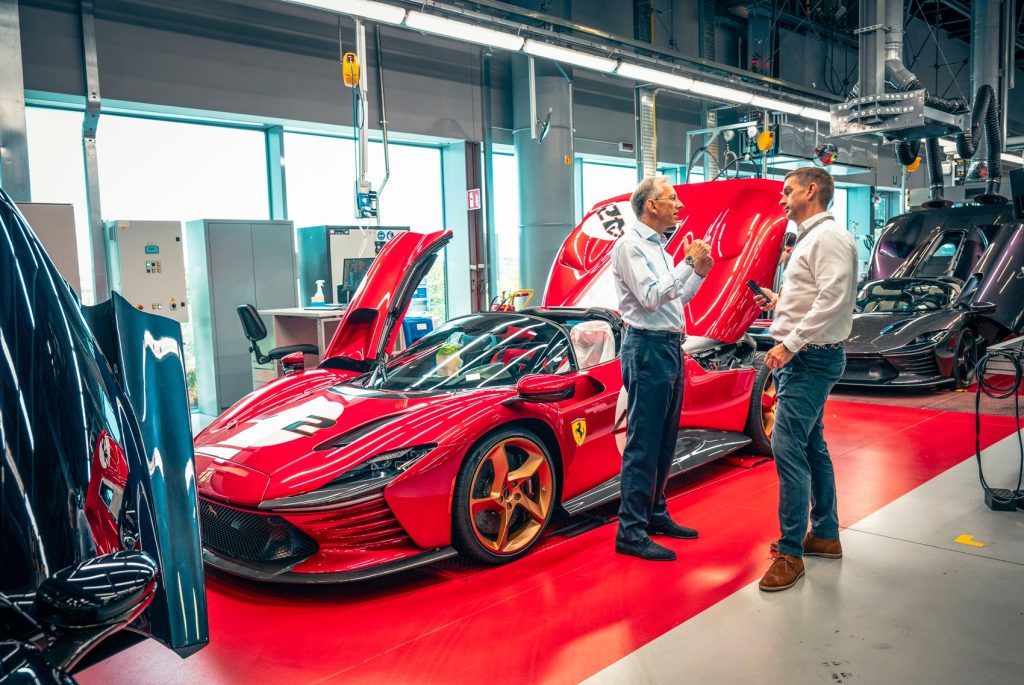
Ferrari’s operations have always been centered in Maranello. The company’s entire production has remained there since the first 125 S rolled off the line in 1947. Even as other automakers decentralize, Ferrari builds every car—road and race—in that same hallowed location. The Maranello facility, designed by Enzo himself, assembles each vehicle with meticulous Italian craftsmanship: engine casting in its own foundry, hand-built powerplants, robotic valve assembly, and chassis work spanning an expansive 165,000 m² factory employing around 1,300 workers. It takes about three months for each car to come to life.
Symbol of Italian Engineering Legacy
That single-source production reinforces Ferrari’s reputation. Purchasing a Ferrari isn’t just about a car—it’s about owning a piece of history, born from the same factory floor as the first Prancing Horse-branded vehicle.

 Zakirin